In today’s digital world, visual content has become an important part of restaurant marketing. People often discover new restaurants through social media, websites, online reviews, and food delivery apps. Before visiting a restaurant, many customers look at food pictures, videos, and interior photos to decide whether the place matches their preferences. Attractive visuals can create a positive first impression and encourage people to explore a restaurant’s menu or make a reservation.
For restaurant owners, using high-quality images is more than a marketing trend. It is an effective way to showcase food, communicate brand identity, and build trust with potential customers. From professional food photography to creative social media posts, visual content helps restaurants remain competitive and memorable.
Why Visual Content Is Important for Restaurants
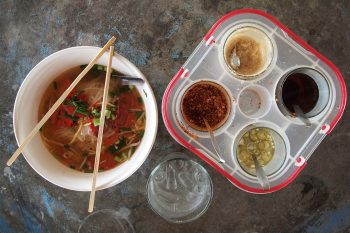
Food is a visual experience, and customers often judge a dish by its appearance before tasting it. Clear, appealing photographs can highlight ingredients, textures, colors, and presentation, making meals look more inviting. When people see delicious food online, they may feel encouraged to visit the restaurant or place an order.
Visual content also helps restaurants communicate their atmosphere and personality. For example, photographs of a cozy café can attract people looking for a relaxing place to meet friends, while elegant images of fine dining can appeal to customers planning a special celebration.
Consistent visuals also make a restaurant easier to recognize across different platforms. When customers repeatedly see the same branding, colors, and photography style, they can develop a stronger connection with the business.
The Power of Food Photography
Food photography is one of the most effective ways to promote a restaurant online. Well-lit, carefully composed images can make ordinary dishes look more appealing and highlight what makes a menu unique. Restaurants can use these photographs on their websites, digital menus, social media profiles, and online ordering platforms.
Professional photography is useful, but restaurants do not always need expensive equipment to create attractive images. Good lighting, clean backgrounds, fresh ingredients, and thoughtful presentation can make a significant difference. Taking photographs from different angles can also help highlight the details of a dish.
Creative editing can add personality to promotional images. For example, restaurants planning birthday campaigns, festive promotions, or themed events can use playful photo effects to make their content more interesting. Online tools that help users add crown to photo can be useful for creating fun celebratory visuals or engaging social media posts. These effects should complement the restaurant’s style while keeping the food and brand message clear.
Authenticity is equally important. Edited photographs should represent the actual dishes customers receive. When images create unrealistic expectations, customers may feel disappointed, which can damage the restaurant’s reputation.
How Restaurants Can Use Visual Content Effectively
Restaurants can improve their marketing efforts by including different types of visual content in their promotional activities.
- Share attractive food photographs: Highlight signature dishes, seasonal specials, desserts, and beverages to encourage customers to explore the menu.
- Create short videos: Show chefs preparing meals, ingredients being chopped, or dishes being served. These videos offer a closer look at the restaurant’s daily activities.
- Showcase the dining atmosphere: Share photographs of seating areas, decorations, outdoor spaces, and special events to help customers understand the experience they can expect.
- Maintain consistent branding: Use recognizable colors, fonts, logos, and photography styles across social media, websites, and promotional materials.
- Encourage customer participation: Invite diners to share their experiences and feature suitable customer-created photographs with permission.
Using a combination of these approaches helps restaurants maintain an engaging online presence and connect with different types of customers.
Social Media and Customer Engagement
Social media platforms such as Instagram, Facebook, TikTok, and Pinterest give restaurants valuable opportunities to reach new audiences. Attractive photographs and engaging videos can encourage people to like, comment on, save, and share content with their friends.
Short-form videos are particularly useful because they show food in motion. A video of cheese melting over a freshly baked pizza or a chef decorating a dessert can capture attention quickly. Behind-the-scenes content can also make a restaurant feel more approachable by introducing its staff, cooking methods, and daily operations.
Consistency plays an important role in social media marketing. Posting regularly keeps followers informed about new menu items, special offers, and upcoming events. However, quality should remain more important than quantity. Every post should provide value, whether it entertains viewers, introduces a dish, or encourages them to visit.
Restaurants should also respond to comments and messages to build stronger relationships with their audiences. Active communication helps customers feel appreciated and can encourage repeat visits.
Visual Content and Restaurant Branding
A strong visual identity helps a restaurant stand out from its competitors. The way food is photographed, menus are designed, and promotional materials are presented can influence how customers perceive the business.
For instance, a casual family restaurant may use bright colors and friendly photographs, while an upscale restaurant may prefer elegant compositions and minimalist designs. The visual style should match the restaurant’s target audience and overall dining experience.
Storytelling can make branding even more effective. Restaurants can share the inspiration behind their recipes, introduce their chefs, highlight local suppliers, or explain how particular dishes are prepared. These stories provide customers with a better understanding of the business and help create an emotional connection.
When visual content remains consistent across all marketing channels, customers can recognize the restaurant more easily and develop greater familiarity with its brand.
The Role of Website Images and Online Reviews
A restaurant’s website often serves as the first point of contact for potential customers. High-quality photographs can make the website more appealing and help visitors decide whether to explore the menu, place an order, or reserve a table.
Restaurants should include images of popular dishes, dining areas, and special offerings alongside practical information such as opening hours, location, prices, and contact details. Images should load quickly on mobile devices, as many customers browse restaurant websites using their phones.
Online reviews also influence customer decisions. Photographs shared by diners can provide additional perspectives on food quality and presentation. Restaurants can encourage genuine customer feedback and respond professionally to both positive and negative reviews.
Combining attractive website images with helpful information and authentic reviews creates a more reliable online presence.
Measuring the Success of Visual Marketing
Restaurants should regularly evaluate the performance of their visual content to understand what attracts customers. Social media engagement, website traffic, online orders, reservation inquiries, and customer feedback can provide useful insights.
For example, a restaurant may discover that videos showing food preparation receive more attention than standard promotional images. Another business may find that photographs of lunch specials generate more interest during weekdays.
By reviewing these results, restaurant owners can identify successful content formats and improve future campaigns. The main goal should be to achieve meaningful business results rather than focusing only on likes or views.
Conclusion
Visual content has become an essential part of modern restaurant marketing. Attractive food photography, engaging videos, consistent branding, and authentic customer images help restaurants capture attention and communicate their unique qualities.
By using visual content strategically, restaurant owners can strengthen their online presence, build customer trust, and encourage more people to visit or order food. The most successful approach combines creativity with authenticity and focuses on providing a clear picture of the restaurant’s offerings.
Ultimately, visual marketing is about more than making food look appealing. It is about telling a story, creating a memorable brand, and giving customers a reason to choose a particular restaurant. With thoughtful planning and consistent effort, visual content can support long-term growth and stronger customer relationships.