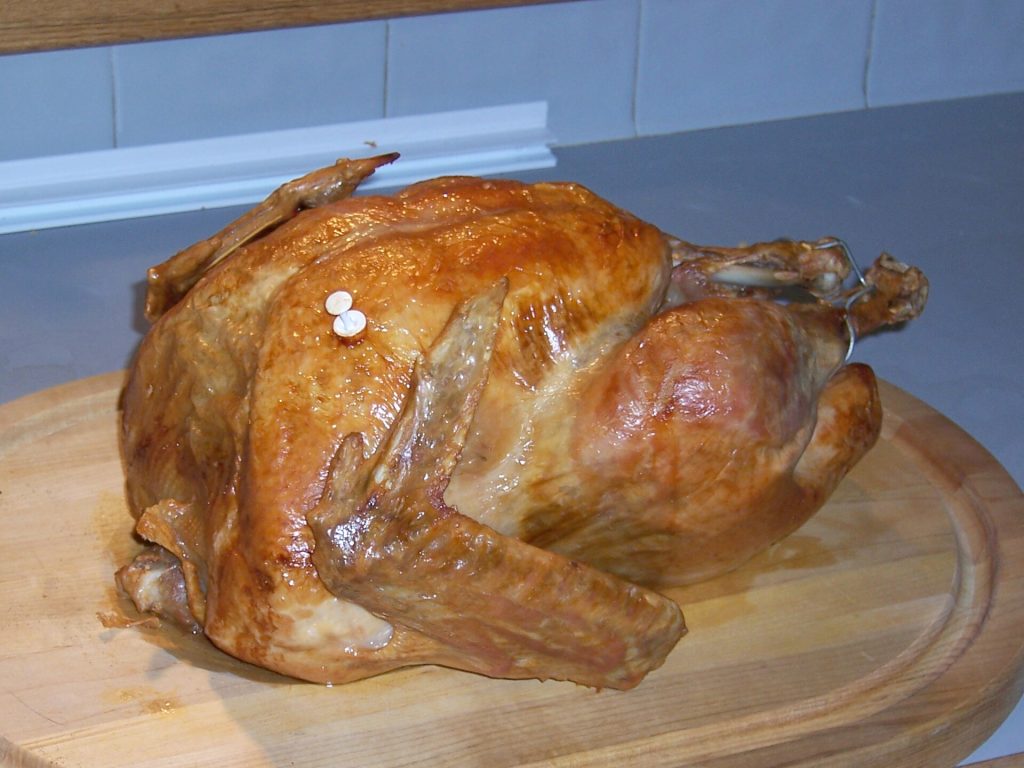
The first Thanksgiving food looked very little like a modern Thanksgiving dinner. The one eyewitness account mentions just two things: wildfowl shot by four English colonists, and five deer that Wampanoag men killed and brought to the settlement. There was no cranberry sauce, no potatoes and no pumpkin pie, and historians are not even sure turkey was the main bird.
What survives is a single paragraph written in December 1621 by Edward Winslow, plus a line in William Bradford’s history. Almost everything else in the popular picture, from the pie to the pilgrim hats at a long table, was added in the 19th century.
Here are six common myths about the 1621 harvest meal, checked one by one against Plimoth Patuxet Museums, the Smithsonian and the National Museum of the American Indian.
Key takeaways
- Edward Winslow’s December 1621 letter is the only surviving eyewitness account; it mentions fowl and five deer.
- Turkey may have been eaten, but a Plimoth Patuxet foodways expert suspects goose or duck was the main wildfowl.
- No cranberry sauce, potatoes or pies: sugar-boiled cranberry sauce was written about about 50 years later, and there was no butter or wheat flour for pastry.
- About 90 Wampanoag men came with their leader Massasoit, and the gathering lasted three days.
- The event was not called Thanksgiving at the time; the national First Thanksgiving story took shape in the 19th century.
Six myths at a glance
| Myth | Fact |
|---|---|
| Turkey was the centrepiece | Winslow wrote only of fowl; goose or duck may have been more likely |
| The colonists supplied the feast | Wampanoag men killed five deer and gave them to the colony’s leaders |
| Cranberry sauce was on the table | A written recipe for cranberries boiled with sugar came around 50 years later |
| Pumpkin pie was dessert | There was no butter or wheat flour for pastry |
| There were mashed potatoes | Neither white nor sweet potatoes had reached New England |
| It was a one-day Thanksgiving dinner | It was a three-day harvest gathering, named the First Thanksgiving much later |
What the only eyewitness wrote
Everything starts with one paragraph. Plimoth Patuxet Museums reproduces the passage Winslow wrote in December 1621, first as a letter to an acquaintance in England and then published in 1622 in the booklet now known as Mourt’s Relation.
In it, Winslow says the governor sent four men fowling after the harvest was in, and that they killed in a single day enough fowl to feed the company for almost a week. He then describes Massasoit arriving with some 90 men, who were entertained and feasted for three days, and who went out and killed five deer, which they gave to the governor, the captain and others.
That is the whole menu on record: fowl and venison. Kathleen Wall, a foodways culinarian at Plimoth Patuxet, put it to Smithsonian magazine this way: wildfowl, corn in grain form for bread or porridge, and venison were there. Everything else is informed guesswork.
The only eyewitness menu for the first Thanksgiving has two items on it, and neither is pie.
Myths about the meat
Myth 1: Turkey was the star of the table
It might have been there, but nobody wrote it down at the feast itself. Winslow says fowl, a word that covered any wild bird. William Bradford, writing years later, recalled that the colonists had a great store of wild turkeys that autumn, besides venison, according to the Pilgrim Hall Museum.
Wall told Smithsonian magazine that although wild turkey is possible, she suspects goose or duck was the wildfowl of choice. Swans and passenger pigeons are other possibilities. So the turkey on your table is a plausible guest, not a documented one.
Myth 2: The colonists provided the meal
Winslow’s own account says otherwise. The largest single contribution of meat he records is the five deer brought by the Wampanoag, a substantial gift of meat. The fowl came from the colonists; the venison, by his account, came from their guests.
Wampanoag knowledge of the local coast likely shaped the rest of the table too. Wall notes that their diet included eels and shellfish such as lobster, clams and mussels, and that they were drying shellfish and smoking other fish.
Myths about the side dishes and dessert
Myth 3: Cranberry sauce was on the table
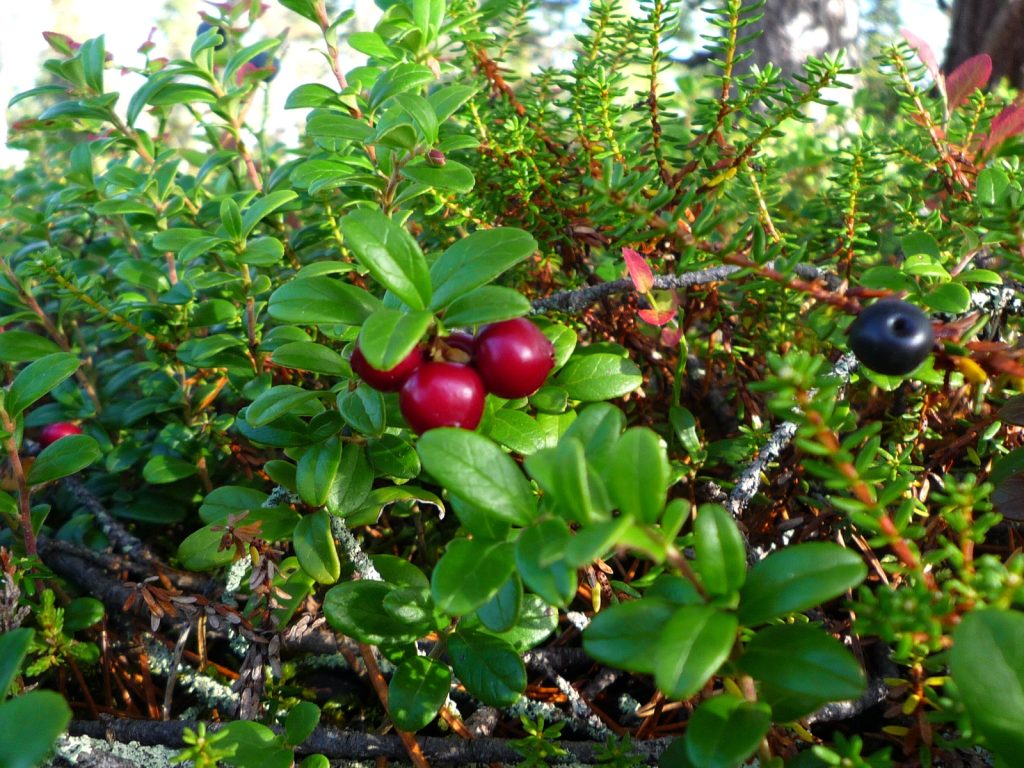
Cranberries grew wild in the region, but the sauce is a later invention. According to Smithsonian, it would be another 50 years before an Englishman wrote about boiling cranberries with sugar into a sauce to eat with meat.
Cranberries themselves still matter to the Wampanoag. American Indian Magazine notes that they are celebrated at the Wampanoag fall festival today.
Myth 4: Pumpkin pie was dessert
Pumpkins and other squashes were very likely eaten, along with beans, nuts such as chestnuts and walnuts, and garden vegetables such as turnips, onions and carrots. Pie was not. Wall explains that the colonists did not have butter and wheat flour to make crusts for pies and tarts.
Myth 5: There were mashed potatoes and stuffing
Potatoes were missing entirely. White potatoes originated in South America, and sweet potatoes in the Caribbean, and neither had yet reached North America. Stuffing looked different too: Wall says the English stuffed birds with chunks of onion and herbs, and she mentions a 17th-century goose stuffing made of nothing but shelled chestnuts.
- Probably there: wildfowl, venison, corn as bread or porridge, shellfish and eels, squashes, beans, nuts.
- Possibly there: wild turkey, goose, duck, swan, passenger pigeon.
- Not there: cranberry sauce, potatoes of any kind, pies and pastry.
Myths about the guests and the occasion
Myth 6: It was a Thanksgiving dinner between friends
The event was a harvest celebration that lasted three days, not a single meal. Plimoth Patuxet dates it to sometime between 21 September and 9 November 1621 and says it entered the American imagination as the First Thanksgiving only in the 19th century. The museum also admits what no one can know: why the Wampanoag joined the gathering, or exactly what happened during those three days.
The National Museum of the American Indian says the popular story was sparked in the mid-1800s when English accounts of the 1621 event resurfaced, and was cemented after President Lincoln declared a national holiday in 1863. It stresses that the relationship between the Wampanoag and the English was about political alliances and diplomacy rather than a budding friendship, and that harvest ceremonies had been part of Wampanoag life for thousands of years before the colonists arrived.
American Indian Magazine adds the Wampanoag account of how the men came to be there at all: they arrived after hearing the English fire guns in celebration of their harvest. The Wampanoag had been devastated by disease between 1616 and 1619, and the alliance with the newcomers was a strategic decision, not a dinner invitation.
For more stories about where our holiday foods really come from, browse our food culture section or read about the history of cranberries.
FAQ
What food was served at the first Thanksgiving?
The only eyewitness account names wildfowl and venison. Historians at Plimoth Patuxet add corn as bread or porridge with confidence, and consider shellfish, eels, squash, beans and nuts likely.
Did the Pilgrims eat turkey in 1621?
Possibly. Bradford recalled plenty of wild turkeys that autumn, but Winslow’s account only says fowl, and a Plimoth Patuxet foodways expert suspects goose or duck.
How many Wampanoag attended?
Winslow recorded Massasoit arriving with some 90 men, who stayed for three days and contributed five deer.
When was it first called Thanksgiving?
Not in 1621. According to Plimoth Patuxet, the gathering became known as the First Thanksgiving in the 19th century.
Put some 1621 on your table
This year, add one dish that was probably on the 1621 table: roast duck or venison, a corn porridge, or mussels steamed with onion and herbs. Tell the story behind it as you serve. Our Thanksgiving recipes are a good place to find a version that suits your crowd.
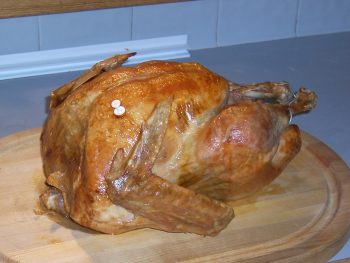
Featured photo: Thanksgiving Turkey by Patrick Fitzgerald from Atlanta, GA, USA, BY 2.0.