A few small dishes can recall a trip more vividly than a complicated centerpiece. There may be bread for sharing, vegetables dressed while warm, and a sauce that brings back a particular lunch. Served together, they give everyone something to try and something to talk about.
The challenge is the preparation. Five small dishes can create five separate cooking jobs. Choose a clear food theme, limit the hot components, and arrange the table so the meal can unfold without someone spending the whole evening beside the oven.
Choose one place or one remembered meal
Begin with a specific memory rather than collecting unrelated dishes under a broad label. A market lunch, a seaside dinner, or an evening of shared plates offers a clearer starting point than an entire continent.
Write down the foods you remember and what you know about them. If you are unsure of a name or origin, check a reliable regional source before presenting it to guests. Similar-looking dishes can have different ingredients and histories.
Choose recipes with enough context to understand their role. Some foods are starters, others accompaniments, and some belong to a particular occasion. You can adapt the format for home while acknowledging those distinctions.
A personal table does not have to reproduce a formal sequence. It should simply make sense: flavors that sit comfortably together, portions appropriate to the guests, and a few details that connect to the trip.
Build the table around three roles
Give each dish a purpose before expanding the menu. One can be the substantial warm dish, another a fresh or cool contrast, and a third something easy to pass, spread, or scoop.
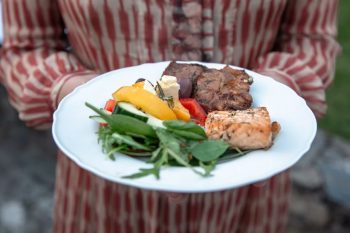
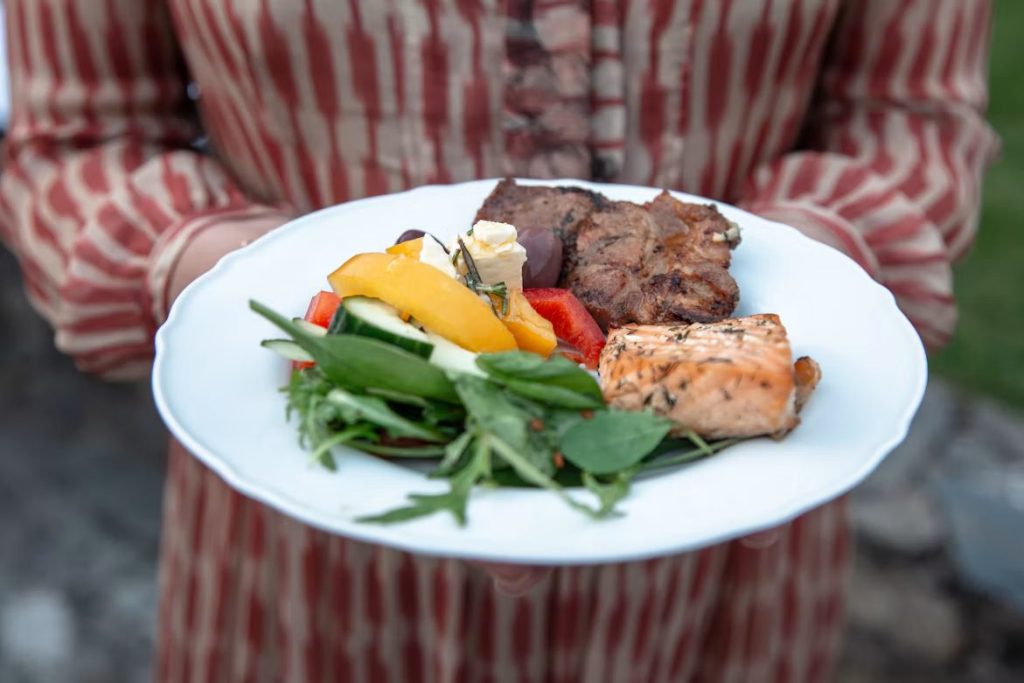
For example, a vegetable-centered table might include a warm roasted dish, a chilled salad, and bread with a dip made from a reliable recipe. A meal including meat or fish can use a smaller main portion with accompaniments selected to suit it.
Check dietary needs before finalizing the selection. Label or explain ingredients that may be unclear, and prevent cross-contact where allergies require it. A shared format needs particular care because utensils can migrate between dishes.
Do not make every item rich, spicy, or crunchy. Contrast helps the meal feel varied without adding more recipes. A crisp component beside a soft one and a cool dish beside a warm one may provide enough difference.
Portions depend on whether the dishes together are dinner or merely a first course. Plan the whole meal so that guests have enough to eat, rather than relying on the small size of each plate as a guide.
Make the hot dishes earn their work
Choose one warm dish you can cook with confidence and one quick hot addition only if the schedule allows it. Cold and room-temperature foods should still be held according to their ingredients’ safety requirements.
An air fryer toaster oven combo can provide a tray-based cooking space for a suitable recipe. Check the specific model, compatible cookware, and usable dimensions before settling on the portion. A dish that fits comfortably is easier to handle than one squeezed into an unsuitable pan.
Prepare the cold accompaniment first and refrigerate it as needed. Set out serving utensils and appropriate landing space for hot cookware before the last cooking stage begins.
If your kitchen includes COSORI smart air fryers, a small vegetable side or another compatible recipe can be prepared closer to serving. Features vary between models. Use the controls and cooking guidance for your particular appliance rather than assuming all products have the same smart functions.
Avoid creating a menu that requires two machines to finish unrelated recipes at precisely the same instant. It may be easier to serve the first dishes, then bring one hot plate to the table when ready. Tell guests that the meal will arrive in stages so they know what to expect.
Use the serving plan to keep the evening comfortable
Check the size of the table with empty serving dishes before cooking. Small plates multiply quickly, especially when glasses, bread, condiments, and utensils join them.
Transfer food into sensible serving portions rather than setting every cooking vessel on the table. Keep a safe, stable place for hot dishes and make clear which handles or surfaces remain hot.
Assign a utensil to each shared dish. Place sauces where they can be reached without leaning over other people’s food. Refill perishable foods in small portions from appropriate storage rather than leaving the entire supply out for the evening.
Keep track of time. Perishables should be refrigerated within two hours, or within one hour above 90°F. If the meal is deliberately extended, bring out fresh portions under safe conditions and put remaining food away promptly.
Conversation can provide the connection to travel. Describe what you remember about a market or explain the changes you made to a recipe. Avoid claiming that one adapted plate represents all the food of a region.
Keep something worth repeating
After dinner, note which dishes worked together and which demanded too much attention. A menu that looked short on paper may still have involved several inconvenient finishing steps.
Retain the most successful combination and simplify the rest. Perhaps the dip can be prepared ahead, the salad needs a sturdier leaf, or one hot side adds little to the meal. Those observations make a second gathering easier.
You can explore a different dish from the same place another time. The table does not need to carry every memory from the trip at once. A few thoughtful plates, prepared well and served comfortably, leave room to enjoy both the food and the people sharing it.