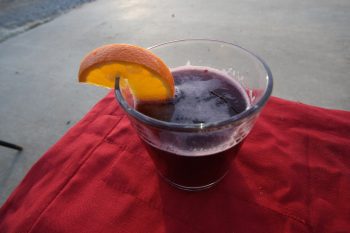
Mulled wine is red wine gently warmed with sugar or honey, whole spices and citrus, served hot in small mugs. The usual spices are cinnamon, cloves and cardamom, with orange peel for brightness, and the one rule that matters is to keep it steaming, not boiling, so the flavour stays fresh and the alcohol stays in the pot.
Nearly every wine-drinking country in Europe’s colder north has its own version. Germany has Glühwein, France has vin chaud and Sweden has glögg, each with a signature twist.
Here’s how the traditions differ, which wine to use, what each spice brings, the method, and how to make an alcohol-free batch.
Key takeaways
- Mulled wine is red wine heated with sugar or honey, whole spices and citrus.
- Glühwein means ‘glow wine’; Swedish glögg is served in small handled mugs with raisins and blanched almonds.
- Choose an inexpensive, fruity, low-tannin red; heat amplifies bitterness and oak.
- Keep it below a simmer. Ethyl alcohol boils at 173°F, and USDA data show simmered dishes lose a large share of their alcohol over time.
- For an alcohol-free version, use red cordial or a mix of red grape and apple juice with the same spices.
Mulled wine around the world
The idea is simple and ancient, but the regional versions differ in the details.
Glühwein, Germany and Austria
The Munich tourist board’s guide to mulled wine translates Glühwein literally as ‘glow wine’. At Christmas markets it comes in red, white and rosé versions, and alongside it you’ll find Feuerzangenbowle, a hot punch made with rum-soaked flaming sugar, and Kinderpunsch, a non-alcoholic punch for children. Many stalls serve it in a reusable mug and refund your deposit when you return it.
Vin chaud, France
Vin chaud simply means ‘hot wine’. It is a fixture of French Christmas markets, especially in Alsace, where Strasbourg’s market dates back to 1570 and is the oldest in France. Recipes vary from maker to maker, so treat the spice list as yours to set.
Glögg, Sweden
Sweden’s official website, sweden.se, describes glögg as a spiced, sugared and simmered red wine drunk almost exclusively in the Christmas season, usually with raisins and blanched almonds added to the cup. Its recipe adds a measure of brandy to a bottle of dry red wine, sweetens it with honey and flavours it with cinnamon, cardamom, cloves and orange zest. Glögg is served in a small mug with a handle and meant to be sipped slowly.
| Glühwein | Vin chaud | Glögg | |
|---|---|---|---|
| Country | Germany, Austria | France | Sweden |
| Typical wine | Red, also white or rosé | Red | Dry red |
| Spices | Cinnamon or cloves, with citrus | Varies by maker | Cinnamon, cardamom, cloves, orange zest |
| Extras | Optional shot of rum (‘mit Schuss’) | Often sold at Christmas markets | Brandy in the pot; raisins and almonds in the cup |
| Served | Market mugs, often with a deposit | Hot, at market stalls and at home | Small handled mugs |
Choosing the wine
Mulled wine is not the place for an expensive bottle. Heat, sugar and spice cover the nuance you’d pay for. It is also not the place for a bad one, because heat exaggerates flaws.
- Pick fruity and soft. Merlot, Grenache (Garnacha), Zinfandel and young Tempranillo all work, with plenty of ripe fruit and gentle tannins.
- Avoid heavy oak and high tannin. Warm, tannic wine turns bitter and drying.
- Dry is better than sweet. You control the sweetness with sugar or honey, so start with a dry wine.
- For white Glühwein, choose an unoaked, aromatic white.
A bottle of wine is 750 ml, which makes about five small mugs. For a party, scale up in whole bottles and keep the spice ratio the same.
The spices and what each one does
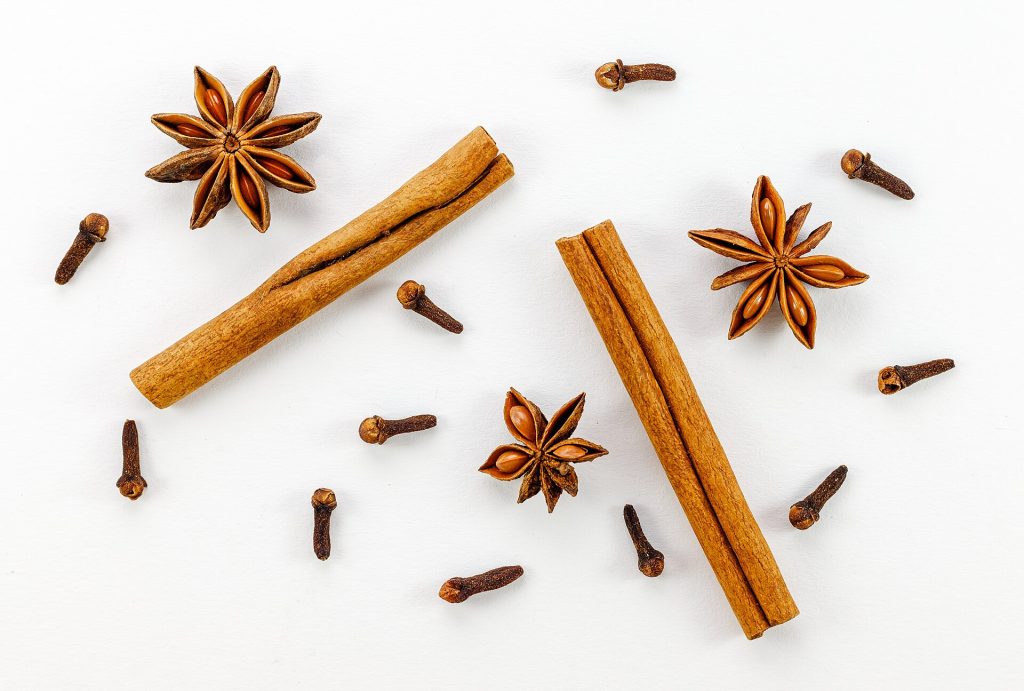
Use whole spices rather than ground. Ground spices cloud the wine and leave a gritty sludge at the bottom of every mug.
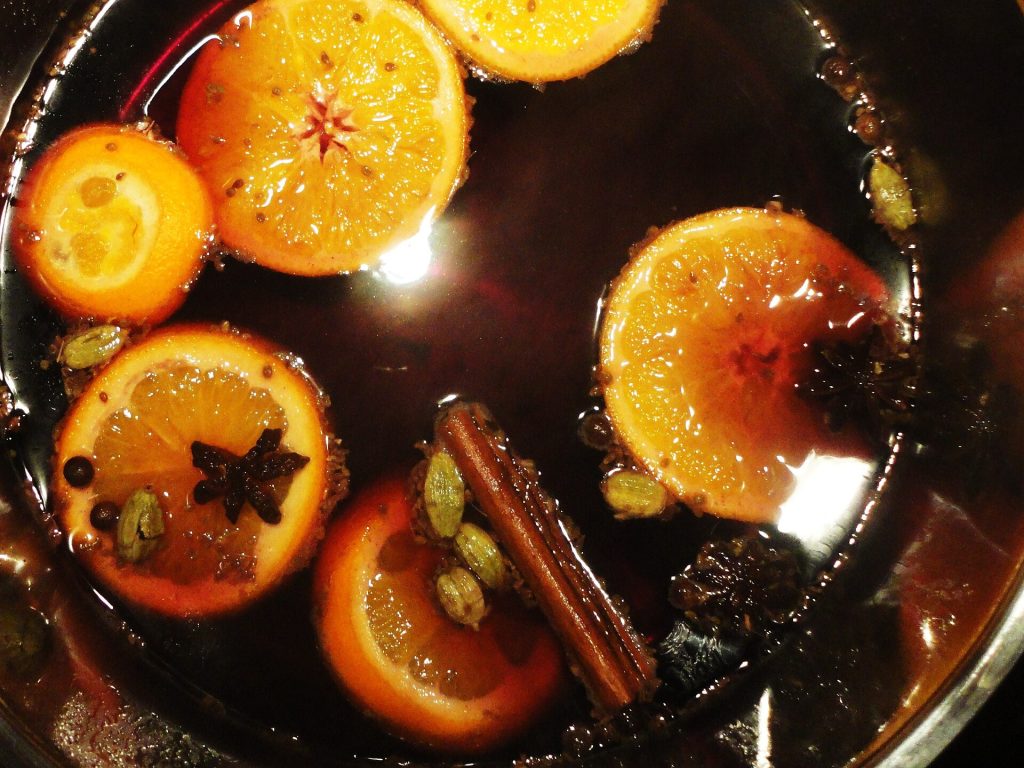
- Cinnamon sticks: the backbone of almost every version; warm and sweet.
- Whole cloves: strong and numbing in excess. Four to six per bottle is plenty.
- Cardamom pods: lightly crushed, they give glögg its distinctive perfumed note.
- Star anise: a single star adds a gentle liquorice depth.
- Orange: zest in wide strips, or slices studded with the cloves. Avoid the white pith, which turns bitter.
- Fresh ginger or a bay leaf: optional, for a sharper or more herbal edge.
Whole spices, gentle heat and a patient cook make better mulled wine than any expensive bottle.
How to make mulled wine
This serves about five small mugs from one bottle.
- Make a spiced syrup. In a pan, combine 100 ml of water, 3 to 4 tablespoons of sugar or honey, 2 cinnamon sticks, 4 to 6 cloves, 4 lightly crushed cardamom pods, 1 star anise and the zest of one orange. Simmer for 5 minutes.
- Add the wine. Pour in one 750 ml bottle of red wine and turn the heat to low.
- Warm gently. Heat until the wine is steaming and small wisps rise from the surface. Don’t let it bubble.
- Infuse. Hold it at that temperature for 15 to 20 minutes, covered, then taste and add more sweetener if needed.
- Add a spirit, if you like. Stir in a splash of brandy or rum off the heat, as in glögg or Glühwein mit Schuss.
- Strain and serve. Ladle into small heatproof mugs. For glögg, drop a few raisins and blanched almonds into each one.
Simmering the spices in water first extracts their flavour without cooking the wine for longer than necessary. For a party, a slow cooker set to low or warm holds the wine at serving temperature for hours.
Why you should never boil it
Boiling does two things to mulled wine, and neither is good. It turns the flavour stewed and bitter, and it drives off the alcohol.
Ethyl alcohol boils at 173°F, according to the CDC’s NIOSH Pocket Guide, well below water’s boiling point, so alcohol evaporates readily from a hot pot. USDA’s nutrient retention factors put numbers on it for cooked dishes: alcohol stirred into a hot liquid and taken off the heat retains about 85% of its alcohol; simmered for 15 minutes, about 40%; simmered for an hour, about 25%. Those figures are for cooking in general, not mulled wine specifically, but the direction is clear.
So keep the pot steaming, not bubbling, and don’t leave it on a high heat for hours. If you’re serving from a slow cooker, use the warm setting and replenish with fresh wine rather than reheating the same batch all evening.
A note for hosts
Gentle heating does not make mulled wine alcohol-free, even after a long time on the stove. Label it clearly and offer a non-alcoholic option alongside.
A non-alcoholic version
An alcohol-free batch uses the same method and the same spices. Sweden.se suggests replacing the wine and brandy with red cordial for an alcohol-free glögg, and German Christmas markets serve Kinderpunsch on the same principle.
- Red cordial diluted to taste, as in alcohol-free glögg.
- Red grape juice and apple juice, half and half, with a squeeze of lemon to replace the wine’s acidity.
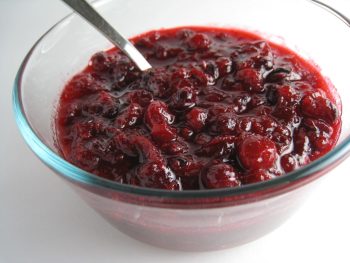
- Cranberry and pomegranate juices for a tarter, deeper-coloured version.
- A little black tea added at the end for some of the tannin you’d get from wine.
Reduce the added sugar, since juice is already sweet. For more cold-weather drink ideas, see our guide to hot winter cocktails and wine pairing basics.
FAQ
What is the best wine for mulled wine?
An inexpensive, dry, fruity red with soft tannins, such as Merlot, Grenache or Zinfandel. Avoid heavily oaked or very tannic wines.
Does mulled wine still contain alcohol?
Yes. Gentle heating removes only part of it. USDA data show even an hour of simmering leaves about a quarter of the alcohol in cooked dishes.
What is the difference between Glühwein and glögg?
Both are spiced, sweetened red wine. Glögg usually includes brandy and cardamom and is served with raisins and blanched almonds; Glühwein is the German market version, which can be red, white or rosé.
Can I make mulled wine ahead?
Make the spiced syrup ahead and refrigerate it, then warm it with the wine just before guests arrive. The wine tastes freshest when it hasn’t been held hot for long.
Serve a batch this weekend
Pick up an inexpensive bottle of fruity red, a bag of whole spices and an orange, and make one batch following the method above. Taste it after 15 minutes of gentle warming, adjust the sweetness, then decide whether your house style leans German, French or Swedish. Find more seasonal recipes in our drinks section.
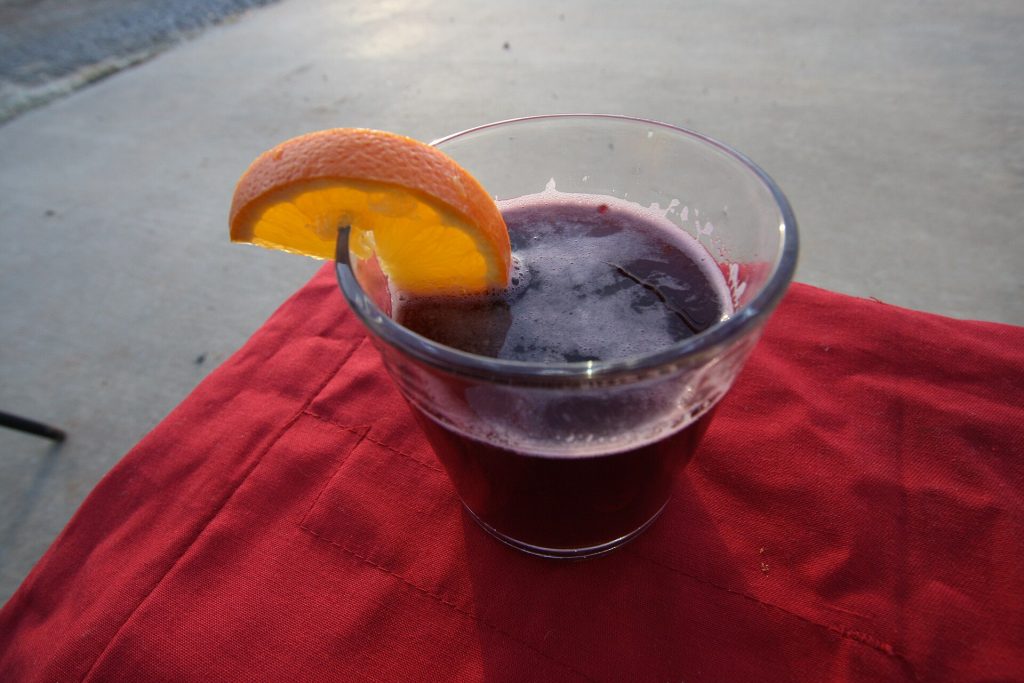
Featured photo: Glühwein (hot mulled wine) in a glass with an orange slice 13 by Wheeler Cowperthwaite, BY 2.0.