Products are incomplete without their packaging. Brands aim to develop a solution that is not only high in quality but also long-term. Whatever the option they choose, it’s incomplete without the packaging materials. Here in this blog, we’ll explore some of the sustainable material options and what they’re best for. So, let’s read on.
Why Sustainable Materials Are More Than Marketing Claims
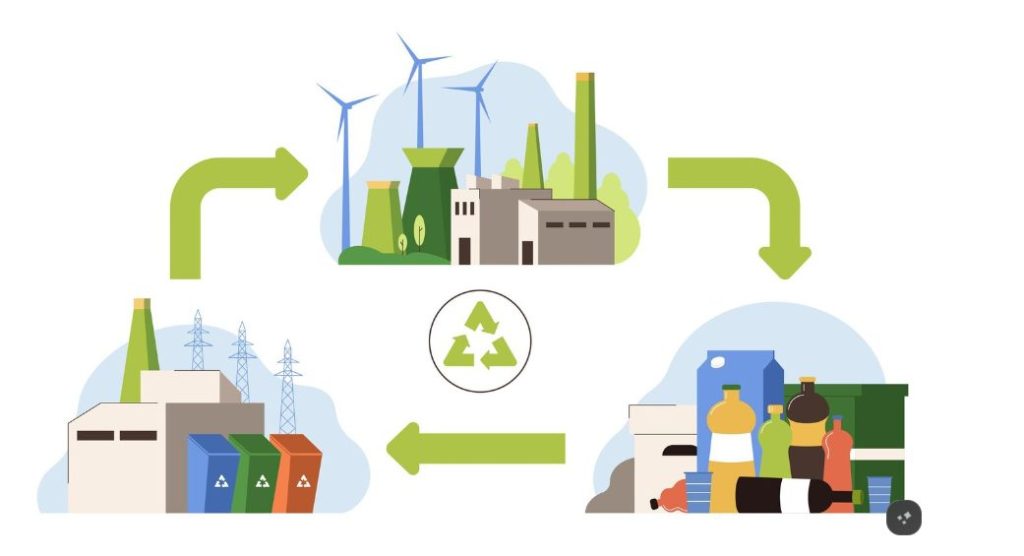
There was a time when degradable and recyclable packaging materials were famous for being planet-friendly. Though they’re still one of the optimal choices, the brand understands how efficiently they contribute to profits and the planet at the same time. That’s why they now consider the options that cater to all aspects of packaging.
Top Timeless Traditional Packaging Materials
Below are some of the non-trendy but sustainable material options that your brand can consider for the products.
Corrugated Cardboard
First of all, paper-based materials are the first choice of brands as they’re affordable to consider for all kinds of packaging needs. The lightweight material features lower shipping costs but also contributes its best to the environment because of its easy degradability.
Meanwhile, the mechanical strength of the boxes crafted from these materials is non-negotiable as they offer a safer environment for the product to be packed inside. The recyclability of packaging is around 96%, which ranks in the top tiers compared to the other industry options.
For instance, the common applications of the packaging made from this material include e-commerce shipping cartons, retail display boxes, and product interleaving, etc.
Tinplate / Metal Tins
Whenever it comes to the tinplate material, it always outshines and offers a durable packaging solution. The containers made from metal tins can be either thin or thick, but in terms of reliability, they always stand out.
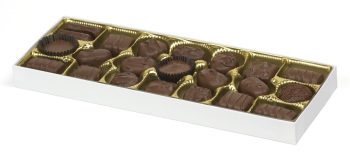
Some of the items that are usually packed and preserved in the custom tin packaging boxes include tea, luxury confectionery, coffee beans, gifts, and more.
Glass
The glass-based packaging is similar in terms of recyclability as tin but with its dynamic appearance factors. Its 100% and infinite recyclability turns this into a transparent gem that doesn’t lose its purity or quality even after too much processing.
Meanwhile, the usage of glass material packaging is widespread across a variety of industries and businesses. The common usage of glass packaging is optimal for beverages, cosmetics, food preservation, and beyond.
Aluminum
Similar to our previous two material options, aluminum stands out at the top of its category. The material can be recycled multiple times as it always retains the original structural integrity without demanding the addition of new composition materials.
Some of the uses of aluminum-based packaging are common in beverage cans, foil wrapping, and even for aerosol/pharmaceutical containers.
Factors That Determine the Lifespan of the Packaging Materials
Other than the naturally sourced packaging materials, the options lose their structural strength and even leave no footprint behind. Some of those aspects may include the:
- Barrier Properties
- Mechanical Strength
- Material Degradability
- Temperature Resistance
- Ability to Tackle the UV Light
- Humidity & Moisture Resistance
Alongside these factors, the detailed features and reliability is mentioned below in the chart:
| Material Class | Available Packaging | Protective Attributes | Longevity / “Evergreen” Drivers |
| Glass | Bottles, jars, vials | 100% resistant, chemically inert, zero flavor leaching | Infinitely recyclable without loss of quality. Premium consumer perception |
| Paper & Cardboard | Kraft paper, corrugated fiberboard, folding cartons | Lightweight, structural rigidity, structural shock absorption. | Highest operational recycling infrastructure rates globally |
| Aluminum | Cans, foils, collapsible tubes, trays | Barrier against light/oxygen/moisture | Infinitely recyclable. Lightweight properties lower transit emissions |
| Tinplate / Steel | Food cans, tin boxes, aerosol containers | Exceptional strength, puncture resistance, shelf-stability | Long-term shelf preservation (years without refrigeration), magnetic separation makes recycling efficient |
| Wood | Pallets, crates, barrels, heavy boxes | Extreme load-bearing strength, stackability | Easy to repair, repurpose, or downcycle into engineered wood pulp |
| Natural Textiles | Jute sacks, cotton bags, linen ties | Breathable, flexible, high tensile strength, tear-resistant | Reusable over long lifecycles, fully compostable at end of life |
The Bottom Line
We hope you’ve got a comprehensive idea of the old packaging materials and how they’re still relevant in the fast-paced market. Since they’re easy to recycle and source, these options stand out as a reliable choice for brands to consider and rely on for their packaging demands. You can opt for the one that fits well with your offerings and also uniquely presents the products.