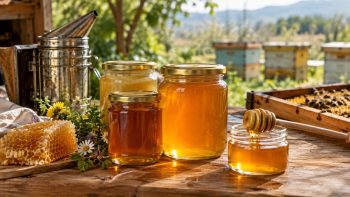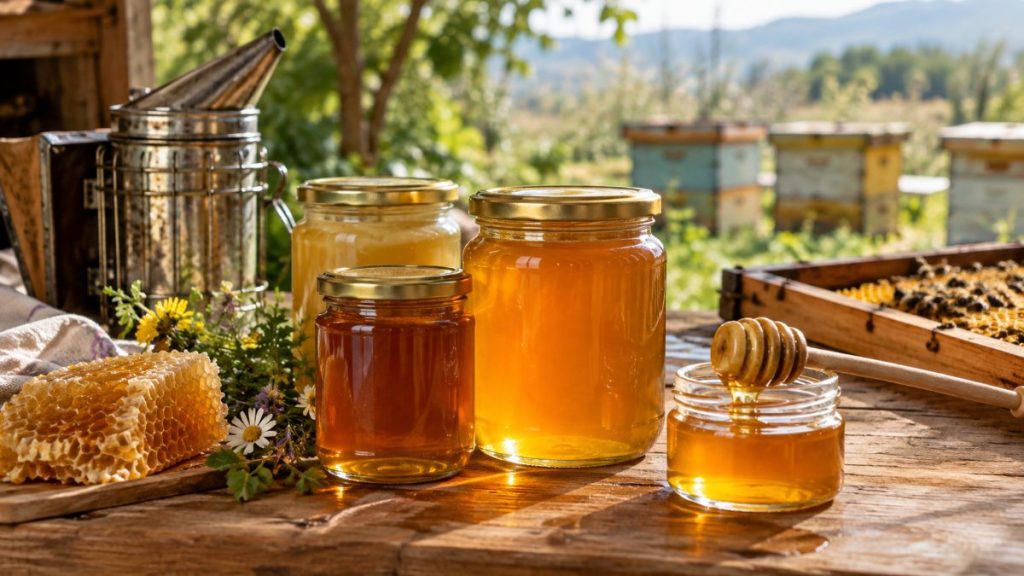
Imagine a chef cooking a dish using local honey and having expectations about its taste, but he or she finds out that the taste is more potent and affects the taste of the dish. This is because the local honey has unique qualities in terms of taste, smell, and texture.
Moreover, it changes with seasons, which makes it difficult for restaurants to be consistent with their dishes. The restaurant needs to take into account its taste, applicability to various dishes, and the ability of the supplier to provide a steady flow.
In this blog post, we will look at the essential considerations that restaurants need to consider when selecting local honey and how the proper selection of honey helps in maintaining consistency in flavors.
4 Things Restaurants Should Check Before Buying Local Honey
Not all types of honey will work in all recipes or in a restaurant’s daily requirements. Prior to placing a large-scale order for honey, restaurants must consider these 4 important aspects to make sure that it meets their cooking needs and ensures consistent flavor in their dishes.
1. Understand Where the Honey Comes From
When purchasing honey locally, inquire about the origin of the honey and the flower source that the bees harvest their nectar from. This may affect the taste and smell of the honey, which will have an effect on the dishes in the restaurant.
What you need to ask your supplier:
- Where does the honey come from?
- Is the floral source known, and what is the flavor like?
- Are there any expected changes in season?
The use of the wrong flavor profile could end up overpowering other ingredients in the dish. Many restaurants explore and trust options such as Lappe’s Bee Supply for buying local honey and other needed equipment. It is known for its extensive range of beekeeping products.
Prior to ordering in bulk, request a sample and try it out in one of your dishes. This will help you ascertain if the honey is suitable for your menu before making a large purchase.
2. Ensure Consistency of Supply
It is important to check if the supply of this particular variety of honey is consistent or not before you select a supplier for the same in your local area. This is because, depending on the season, the honey may or may not be available, and it will vary in taste as well.
For a restaurant, this is important because a minor change in the flavor of the honey will change the flavor of their recipe.
Here are a few questions you should ask your supplier:
- Is this variety available all year round or seasonally?
- Does the taste or texture change from one harvest to another?
- Are there any other varieties that can be used if this honey runs out?
Before using that new type, they could have to examine the taste of the honey. Discuss the supplier’s availability, seasonality, and backup plans before ordering goods in large quantities.
A proper substitute will enable your kitchen to prevent last-minute changes to ingredients and have consistency in results.
3. Ask About Storage, Packaging, and Handling
The correct packaging will be instrumental in the ease of use of honey by a restaurant during its daily operations. You should go for the right package size depending on the volume of use in your kitchen, whether small or big.
Some practical factors to consider are:
- Size of the container: choose a container according to your needs regarding the amount of honey you consume.
- Convenience: make sure that the container is convenient for pouring the honey from without making a mess.
- Storage: ask the seller about the correct conditions for storing the honey and how to seal the container.
For instance, if honey is used every day in the kitchen for dressings, marinades, or baking, then having a container that pours easily will help save time during the preparation period. However, having a container that is hard to use and spills easily may cause wastage of the product.
4. Compare Overall Value, Not Just Price
When comparing local suppliers of honey, you should take into account the cost not only of each package but also the cost per volume and the utility of the honey for your restaurant’s regular operations.
It may be less expensive to buy another product that offers better value and fewer problems with the minimum order quantity.
Before making a decision, evaluate the following considerations:
- Flavor intensity: a stronger honey will require less amount of glazing and will be suitable to cover the dessert with it, but the flavor may be too strong.
- Honey and convenience: evaluate the convenience of measuring, storing, and using honey in your cooking.
- Reliability of supply: assess the reliability of the supplier to deliver the required variety of honey regularly.
For example, the stronger honey will be more durable in use for a glaze because you will need less of it, but it won’t suit all recipes. Choosing the honey because of its low price may be unreliable for some recipes.
Choosing Local Honey According to the Restaurant Menu
When choosing local honey, it is important to consider how well the flavor of this honey will fit the dishes from the restaurant menu. The flavor of the honey itself can differ depending on its characteristics. Below are some aspects to keep in mind.
Choose Honey Based on the Dish
In choosing local honey, one should be guided by the dish itself and its ingredients rather than selecting a type of honey just because it looks nice. Various types of honey will have an effect on the sweetness, smell, and taste of a particular dish.
Below are some suggestions for various dishes:
- Drinks: choose honey that can be easily blended with the drink and improves the flavor of the drink. For example, if the flavor of honey is very strong, it will overpower the flavor of herbal tea.
- Dressings and sauces: choose honey that improves the flavor of the vinegar and spicy ingredients in such a way that it does not make the flavor too sweet.
- Desserts and baked products: think about the way the honey will complement the rest of the ingredients in terms of flavor. Also, note that the use of different types of honey may cause changes in the moisture and the color of the product.
- Test it in your recipe: honey that tastes good when mixed with tea may not be as good when used to make salad dressing.
Do not assume the flavor of the honey based on its color. Test out the honey on a small scale in the dish you intend to use it in, to see whether it goes well with the other ingredients.
Run a Small Kitchen Trial Before Making the Switch
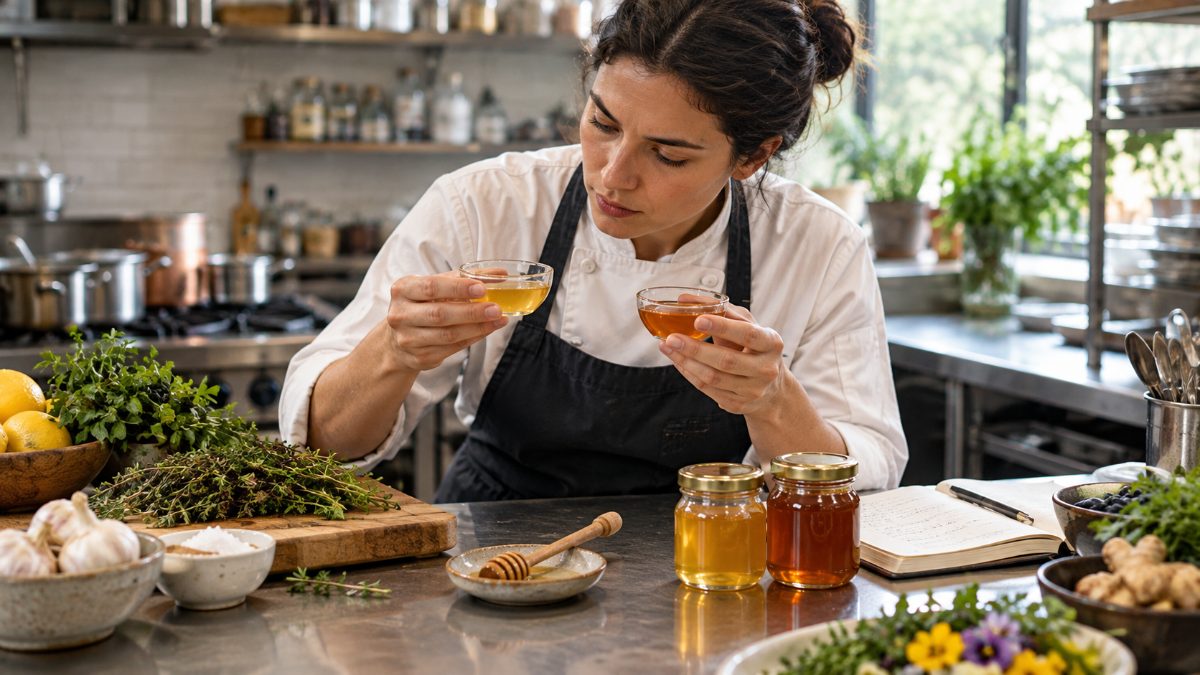
Before adding any new honey from your locality into your menu, try it out in a small batch of an already existing dish. It will help you understand whether there is any difference in terms of taste, sweetness, and texture.
Some of the tips could be helpful in this regard:
- Prepare a sample: prepare a sample of your usual recipe using the newly purchased honey. Understand whether this has brought any changes in the taste and texture of the food.
- Taste and texture check: know how much honey is used in your dish and how sweet it is apart from the taste of honey. Take an opinion on taste from the kitchen staff.
- Keep a record: create a straightforward record of the honey samples, the amount of honey used, and the outcome of the recipes. In case the supplier’s honey is seasonal, or you have to change the type of honey, this will assist your team in making necessary modifications.
Conclusion
Selecting honey locally for a restaurant is not just about getting it from a local producer. The origin, taste, seasonality, packaging, and overall value of the honey become important factors while choosing the right one. The ideal honey will be the one that matches your dishes, meets the demands of your kitchen each day, and guarantees a steady supply. You should always try a sample of the honey before ordering it in large quantities. This will go a long way in helping you keep the flavors consistent in your kitchen.