Mezcal vs tequila comes down to three things: the agave, the place and the process. Tequila must be made from a single plant, blue Weber agave, in a defined area centered on the state of Jalisco. Mezcal can be made from dozens of agave species, mostly in Oaxaca and a group of other Mexican states, and its agave hearts are traditionally roasted in earthen pits, which gives many mezcals their smoky flavor.
Both are protected Mexican spirits with their own official standards and certifying councils, and both have to say who certified them on the label. Once you know what those labels mean, ordering either one gets much easier.
Key facts
- Tequila uses only blue Weber agave; mezcal may use many agave species, with espadín the most common.
- Tequila’s denomination of origin covers Jalisco plus parts of Guanajuato, Michoacán, Nayarit and Tamaulipas.
- Mezcal’s denomination of origin is centered on Oaxaca and extends to a number of other states.
- Traditional mezcal roasts agave in pit ovens, which is why it often tastes smoky; tequila usually steams agave in ovens or autoclaves.
- A tequila labeled 100% agave is made only from agave sugars; plain “tequila” needs at least 51%.
Is tequila a type of mezcal?
Historically, yes. “Mezcal” was the broad name for spirits distilled from cooked agave, and tequila began as the mezcal of the town of Tequila in Jalisco. Today the two are separate legal categories under Mexican law, each with its own Official Mexican Standard (NOM) and denomination of origin. A spirit labeled tequila cannot also be sold as mezcal, and the reverse.
In the United States, federal labeling rules recognize both as distinctive products of Mexico. Under the agave spirits standard in 27 CFR 5.148, a product sold here as tequila or mezcal must be made in Mexico in compliance with Mexico’s own regulations.
Which agave does each one use?
Tequila may use only one plant: Agave tequilana Weber, blue variety. The Consejo Regulador del Tequila (Tequila Regulatory Council) certifies production and tracks the agave from field to bottle.
Mezcal may be made from many agave species. Espadín (Agave angustifolia) is the workhorse because it is widely cultivated and matures in a relatively short time. Others, such as tobalá or tepeztate, are often wild-harvested and can take many years to mature, which is one reason single-species bottles from rare agaves cost more. Mezcal labels list the species, usually with both the common and the scientific name.
Where can they be made?
| Tequila | Mezcal | |
|---|---|---|
| Agave | Blue Weber agave only | Many species; espadín most common |
| Main region | Jalisco | Oaxaca |
| Denomination of origin | Jalisco plus municipalities in Guanajuato, Michoacán, Nayarit and Tamaulipas | Oaxaca plus a number of other states, including Guerrero, Durango, San Luis Potosí, Zacatecas and Puebla |
| Typical cooking | Steam in masonry ovens or autoclaves | Roasting in pits or ovens; artisanal and ancestral mezcal use traditional methods |
| Minimum agave | 51% (100% agave if labeled so) | 100% agave |
| Certifier | Consejo Regulador del Tequila | Consejo Mexicano Regulador de la Calidad del Mezcal |
Why does mezcal taste smoky?
The smoke comes from how the agave hearts, called piñas, are cooked. In traditional mezcal production they are roasted for days in a conical pit lined with hot stones and covered with earth, so the sugars caramelize and absorb wood smoke. Tequila producers usually steam the piñas in brick ovens or pressure autoclaves, and some use diffusers that extract sugars before cooking, which gives a cleaner, more vegetal agave flavor.
Not every mezcal is a smoke bomb, though. Agave species, the wood used in the pit, fermentation and distillation all shape the taste, and many mezcals are more fruity, mineral or floral than smoky.
What do the labels mean?
Mezcal categories
Mexico’s mezcal standard, NOM-070, sets three categories based on how the spirit is made, certified by the Consejo Mexicano Regulador de la Calidad del Mezcal:
- Mezcal: the broadest category, which allows more modern equipment such as autoclaves and column stills.
- Mezcal artesanal: traditional cooking in pit or raised ovens, crushing by hand or with a stone wheel (tahona) or mill, and distillation over direct fire in copper pot stills or clay pots.
- Mezcal ancestral: the strictest category: pit ovens, hand or tahona crushing, and distillation over direct fire in clay pots.
Tequila categories and ages
Tequila has two categories: 100% agave, made only from blue agave sugars, and plain tequila, sometimes called mixto, which must contain at least 51% agave sugars. Age classes include:
- Blanco or plata: unaged or rested only briefly.
- Reposado: aged at least two months in oak.
- Añejo: aged at least one year in oak containers of 600 liters or less.
- Extra añejo: aged at least three years in the same size of oak.
Mezcal uses similar ideas with its own names. Joven or blanco is unaged; reposado and añejo have spent time in wood; and “madurado en vidrio” means rested in glass. Most mezcal enthusiasts drink it young, because long oak aging can mask the agave.
How should you drink each one?
- Sip mezcal neat at room temperature, in small sips. In Oaxaca it is often served with orange slices and sal de gusano, a salt seasoned with chile and toasted agave worm.
- Try tequila blanco neat or in a classic margarita or paloma, where its peppery, citrusy agave notes come through.
- Save añejos for slow sipping, like a whiskey, ideally in a small tulip-shaped glass.
- Use mezcal in cocktails sparingly. A little in place of tequila in a margarita adds smoke; a split base of both is a common bar trick.
Planning a trip for the real thing? Our guide on where to eat in Mexico City includes classic cantinas, and our sake buyer’s guide shows how another traditional drink uses label grades to signal production style.
FAQ
Is mezcal stronger than tequila?
Not by rule. Both are commonly bottled around 35 to 55% alcohol, but many artisanal and ancestral mezcals are bottled at higher strength than everyday tequila. Check the ABV on the label.
Does mezcal have a worm in it?
Some bottles sold “con gusano” include an agave larva as a marketing tradition, but it has nothing to do with quality and most premium mezcals do not include one. The worm is never a feature of tequila.
Is all mezcal smoky?
Most traditional mezcal has some smoke from pit roasting, but the level varies widely by agave, wood and producer. Some mezcals are only lightly smoky.
Can tequila be made outside Mexico?
No. Tequila and mezcal are denominations of origin, and US federal rules require both to be made in Mexico under Mexican standards.
Which is better for margaritas?
Tequila blanco is the classic choice. Mezcal works too and gives a smoky margarita; many bartenders use a mix of the two.
Taste them side by side
Pour a 100% agave tequila blanco and a mezcal joven made from espadín, and taste them at room temperature. Note the agave species, region and category on each label. The tequila should taste bright and peppery; the mezcal, rounder and smoky. After that, branch out to a mezcal from a different agave or an aged tequila. For more spirits explainers, browse our drinks section.
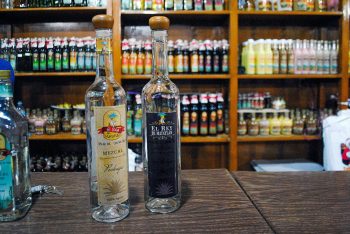
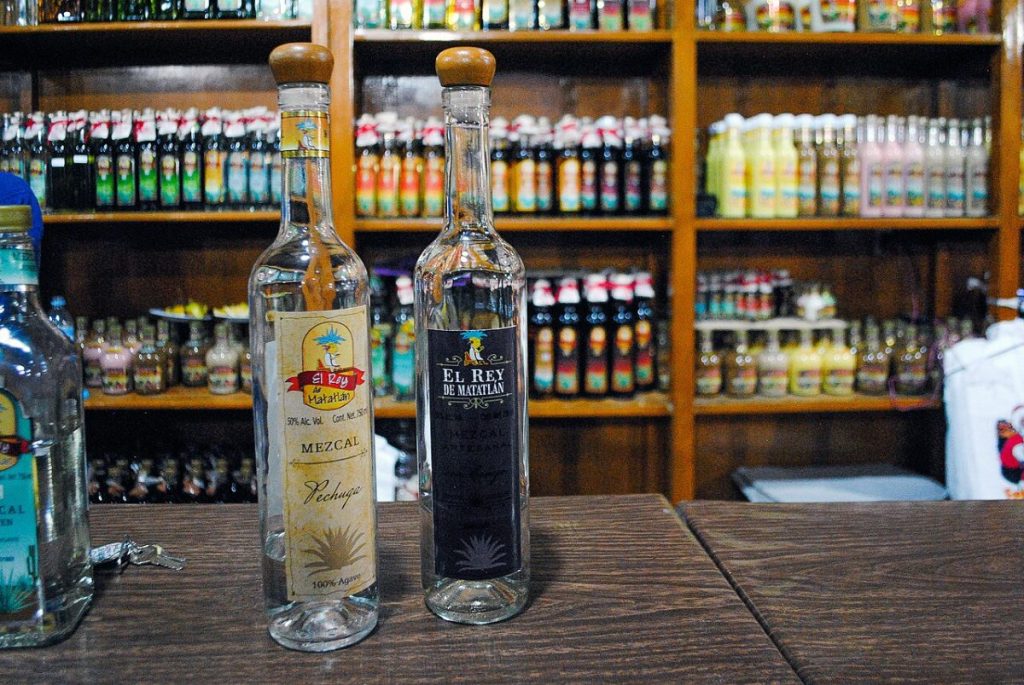
Featured photo: Mezcal bottles by ProtoplasmaKid, CC BY-SA 4.0.