This sake buyer’s guide starts with the one fact that makes the shelf make sense: premium sake grades are defined by how much of each rice grain was polished away and whether distilled alcohol was added. Junmai means rice, water, koji and yeast only. Ginjo means rice polished to 60% of its weight or less; daiginjo means 50% or less. Honjozo allows a small addition of brewer’s alcohol.
Once you know that, a wall of Japanese labels turns into a handful of choices. The rest is style: fresh and unpasteurized, cloudy, undiluted or aged, and whether you want it cold or warm.
Below you’ll find the grades, the label terms, a simple three-tier way to buy your first bottles, and how to serve and store them, using official sources from Japan’s National Research Institute of Brewing and national tourism organization.
Key takeaways
- Six common premium grades: honjozo, junmai, ginjo, junmai ginjo, daiginjo and junmai daiginjo.
- The polishing ratio is the grain’s remaining weight: 60% means 40% was polished away.
- Junmai grades contain no added brewer’s alcohol; non-junmai premium grades may add up to 10% of the rice weight.
- Ginjo-style sake and namazake are best slightly chilled, around 8–10°C; fuller junmai styles often suit room temperature or warming.
- Light is the enemy of sake; store it dark and cool, and keep namazake refrigerated at 5°C or below.
The grades, decoded
Japan recognises a set of special designation sakes, and a sake with one of these names on the label has met rules on rice polishing and ingredients. The National Research Institute of Brewing’s guide, produced with the Japan Sake and Shochu Makers Association, sets them out as follows.
| Grade | Polishing ratio | Brewer’s alcohol | What to expect |
|---|---|---|---|
| Honjozo | 70% or less | Up to 10% of rice weight | Light, dry, easy drinking |
| Junmai | No set requirement | None | Fuller body, rice-driven flavour |
| Ginjo | 60% or less | Up to 10% of rice weight | Fragrant, lighter, fruity notes |
| Junmai ginjo | 60% or less | None | Aromatic with more body |
| Daiginjo | 50% or less | Up to 10% of rice weight | Most refined, delicate and aromatic |
| Junmai daiginjo | 50% or less | None | Refined and aromatic, rounder texture |
Japan’s national tourism organization, JNTO, adds a useful note on method: ginjo is fermented slowly at low temperatures, which helps explain its fragrance. The word junmai can be combined with ginjo and daiginjo, which is why you’ll see junmai ginjo and junmai daiginjo on labels.
Is added alcohol a bad sign?
No. Brewer’s alcohol in honjozo, ginjo and daiginjo is a deliberate, capped addition, not a sign of cheap sake. Choose junmai when you want a fuller, rice-forward style; choose the others when you want lift and aroma.
What polishing ratio really tells you
Seimai-buai, the polishing ratio, is defined as the weight of the polished grain as a percentage of the original grain. A 70% ratio means 30% of the outer layer was removed. The lower the number, the more of the grain was polished away.
The ginjo and daiginjo grades demand the most polishing, and they are the styles known for fragrance and delicacy. Grades with less polishing, or no set requirement like junmai, tend to show more of the rice itself. Neither is better. A lower number tells you about style, not about whether you’ll enjoy it more.
The polishing ratio is a style guide, not a scoreboard.
Style words worth knowing: nama, nigori, genshu, koshu
- Namazake: unpasteurized sake. It tastes fresh and lively and must be kept refrigerated, at no more than 5°C according to the NRIB guide.
- Nama-chozo: stored unpasteurized, then pasteurized once at bottling. A little of the fresh character with more stability.
- Nigorizake: cloudy sake, pressed through a coarse cloth so some rice solids and yeast stay in. Creamy and often sweet; give the bottle a gentle turn before pouring.
- Genshu: undiluted sake, with alcohol typically in the 17–20% range. Stronger, so pour smaller.
- Koshu: aged sake stored for a long time, ranging from yellow to amber in colour, with deeper, nuttier flavours.
- Shiboritate: freshly pressed and newly released, which JNTO lists among the seasonal styles.
How to read a sake label
Most bottles sold abroad carry an English back label, and the useful information sits in a few fields.
- Grade. Look for the designations in the table above. A bottle with none of them is ordinary sake, which can still be very good for everyday drinking.
- Polishing ratio. Often listed as seimai-buai or rice polishing, shown as a percentage.
- Sake meter value. The nihonshu-do. Positive figures such as +2 tend to be drier; negative ones such as −3 tend to be sweeter.
- Style words. Nama, nigori, genshu or koshu change how you store and serve the bottle.
- Alcohol. A figure near the top of the range signals a genshu or a punchier sake.
The Japan Sake and Shochu Makers Association also runs an English-language site with more on types and brewing if you want to go deeper.
Three buying tiers for beginners
You don’t need to start at the top of the ladder. Think in tiers by style and occasion rather than by prestige.
Tier 1: everyday and warming
Start with a junmai or honjozo. They’re versatile, drink well at room temperature or warm, and show you what rice-driven sake tastes like. This is the tier to buy for a hot pot, grilled skewers or a weeknight bowl of ramen.
Tier 2: the aromatic step up
Next, a junmai ginjo or ginjo, served chilled. This is where most people notice fruit and floral aromas for the first time. It is a strong partner for sushi, tempura and lighter seafood.
Tier 3: the special bottle
Save a daiginjo or junmai daiginjo for an occasion, and serve it lightly chilled in a wine glass so you get the aroma. Add a nigori or namazake to your basket when you want a change of texture or a seasonal treat.
Serving and storing sake at home
Temperature
JNTO notes that sake can be served chilled, warmed or at room temperature, with ginjo preferred cool and junmai working at room temperature or warm. The NRIB guide recommends serving ginjo and namazake slightly chilled, at around 8–10°C, and records traditional names for warmed sake, from hinata-kan at about 30°C through nuru-kan at 40°C to atsu-kan at 50°C.
- Chill aromatic grades in the fridge and take them out a few minutes before pouring.
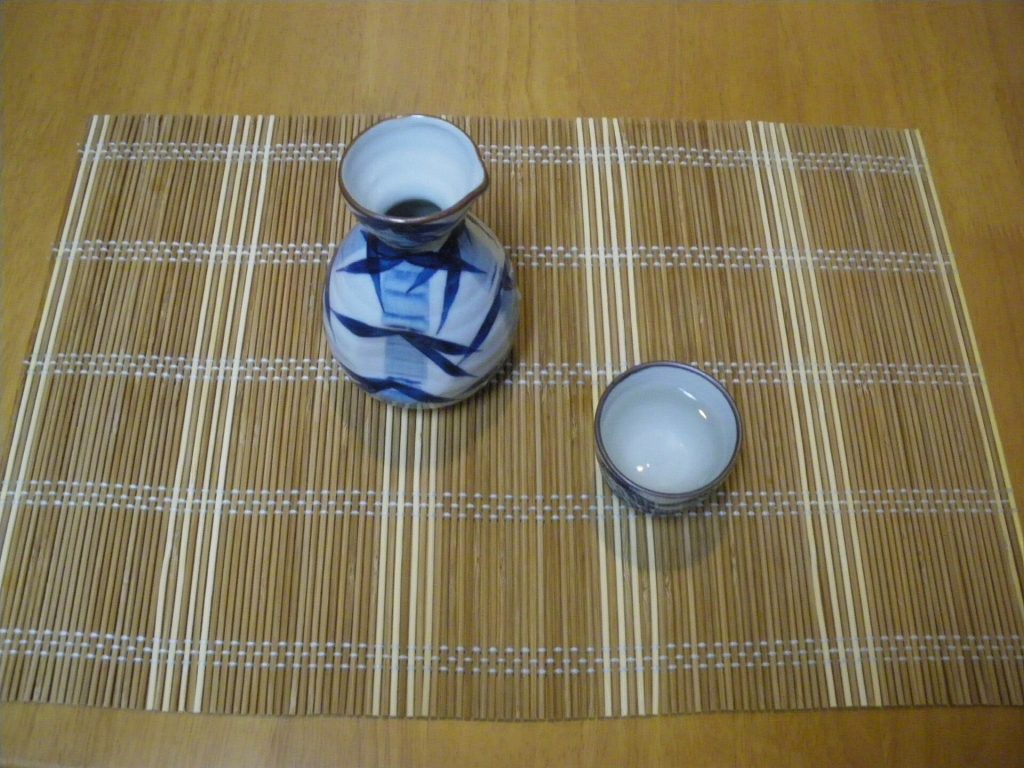
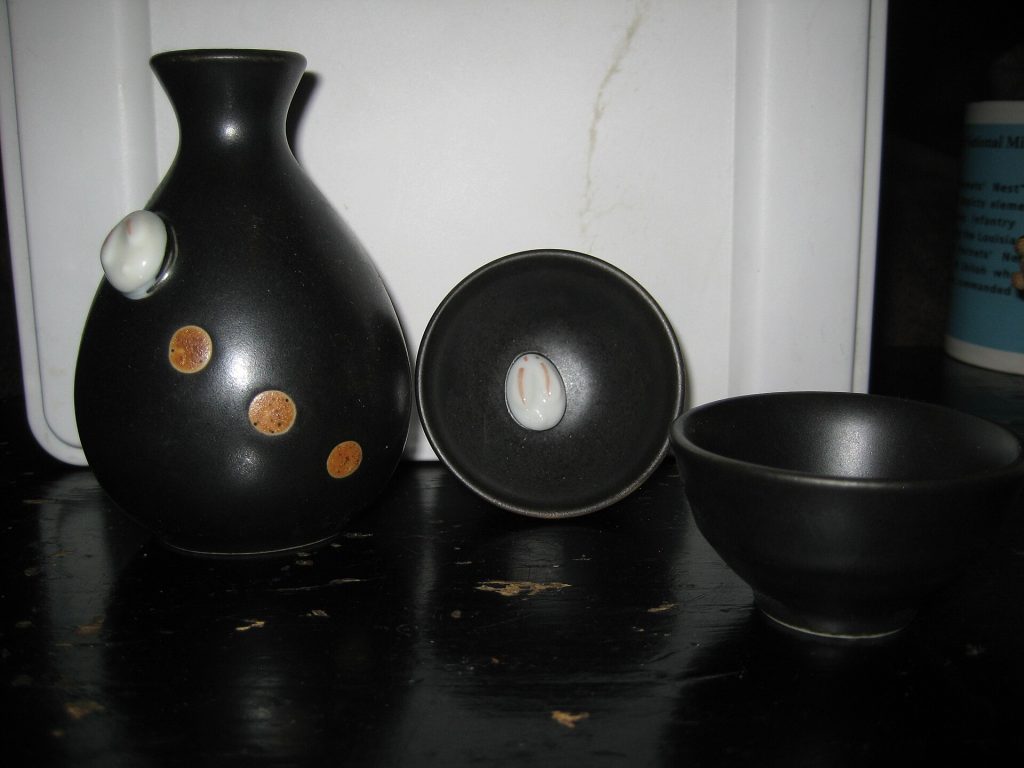
- Warm junmai or honjozo gently in a water bath inside a tokkuri, JNTO’s name for the serving carafe; aim for around 40°C to start.
- Pour into small ochoko cups and, following the etiquette JNTO describes, fill your companions’ cups rather than your own.
Storage
The NRIB guide is blunt: light is the enemy of sake. Store bottles away from light and at a cool, steady temperature, around 15°C, much like wine. Namazake always goes in the fridge. Once open, keep the bottle refrigerated and drink it soon.
Looking for pairings? JNTO points to sushi, tempura, cheese and oysters, and notes sake’s umami helps with rich dishes like stews, ramen and steak. Our guide to sushi etiquette and ordering is a good companion read, and there’s more on the drinks side in our drinks section.
FAQ
What sake should a beginner buy first?
A junmai ginjo is a good first bottle: aromatic, approachable and good chilled. Pair it with a junmai you can try both cold and warm to see the range.
Is daiginjo always the best sake?
It is the most highly polished grade, not automatically the best for every meal. Its delicate style can get lost next to rich or spicy food, where a fuller junmai may work better.
Should sake be served hot or cold?
Both, depending on the sake. Aromatic ginjo styles and namazake are served slightly chilled; many junmai and honjozo sakes are pleasant at room temperature or gently warmed.
How should I store an unopened bottle?
Somewhere dark and cool, around 15°C. Keep unpasteurized namazake in the fridge at 5°C or below.
Your first three bottles
Buy three bottles on your next trip to a good wine shop or Japanese grocer: a junmai, a junmai ginjo and a nigori. Taste them side by side, one chilled and the junmai also warmed, and you’ll know which way your palate leans. Want to try before you buy? Find a Japanese restaurant with a sake list in our restaurant directory, and read our food and drink pairing tips before you order.
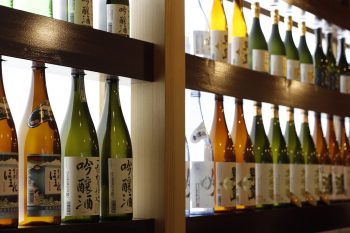
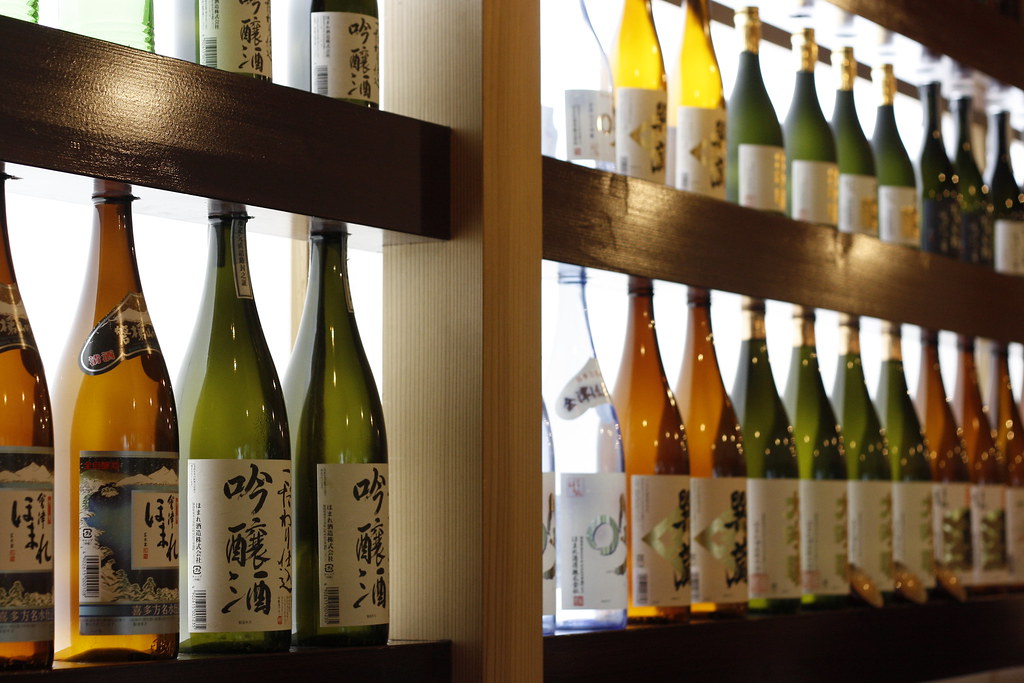
Featured photo: Sake Brewery Tour by Shinsuke JJ Ikegame, BY 2.0.