Most champagne myths survive because they sound like insider knowledge. A spoon in the neck keeps it fizzy. A loud pop is part of the fun. Extra Dry must be drier than Brut. None of these hold up. Champagne is a protected name for wine from one French region, glass shape changes how it tastes but neither coupe nor flute is wrong, and the label terms follow fixed sugar ranges that often run the opposite way to what they suggest.
Knowing the facts makes you a better buyer and a better host. It also saves a few bottles from going flat, and a few guests from a cork in the eye.
Here are six common myths, one at a time, followed by a quick comparison table.
Key takeaways
- Champagne is a protected designation: the name is reserved for wine from the delimited Champagne area made to its rules.
- Glass shape changes how much carbon dioxide reaches your nose; flutes release more above the glass than coupes.
- A spoon in the bottle does nothing for the bubbles. Keeping the wine cold and sealing it does.
- Non-vintage Champagne must age at least 15 months, vintage at least three years.
- Extra Dry is sweeter than Brut: 12 to 17 grams of sugar per litre versus less than 12.
In this guide
- Myths about the name
- Myths about the glass
- Myths about keeping and ageing
- Myths about opening and sweetness
- Champagne myths vs facts at a glance
- FAQ
- Put the facts to work at your next bottle
Myths about the name
Myth 1: Any good sparkling wine is basically Champagne
The fact: Champagne is a place and a set of rules, not a style. The Comité Champagne explains that the Champagne controlled designation of origin was recognised on 29 June 1936, and that the name is reserved for wines from the delimited area made according to its rules.
Those rules cover where the grapes grow and how the wine is made. The Comité says the designation is now recognised and protected in more than 130 countries, and the trade body behind it, founded in 1941, exists largely to defend that name.
None of this makes other sparkling wines worse. Many are made the same way and are excellent value. It just means that “Champagne” on a wine list should mean a bottle from Champagne, and a menu that uses the word loosely is making a claim it cannot back up.
Myths about the glass
Myth 2: The coupe is wrong and the flute is always right
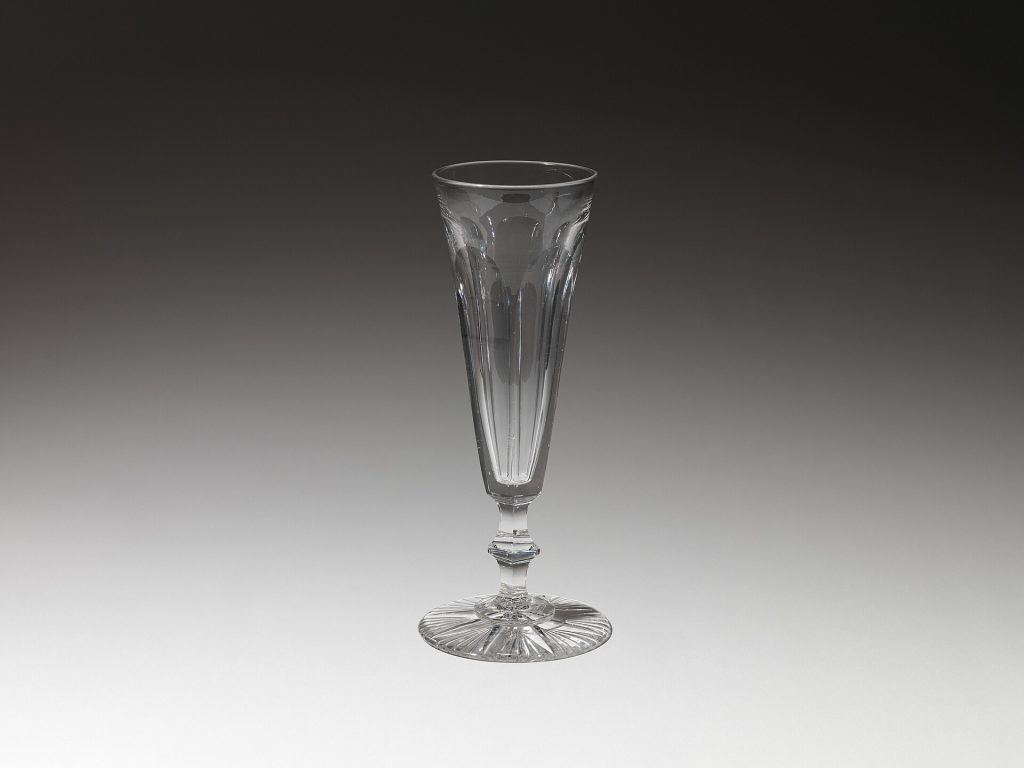
The fact: the two glasses give you a different experience, and science backs that up. In a 2012 study published in PLoS ONE, researchers from the University of Reims measured the gas above each glass and found a much higher concentration of carbon dioxide above a flute than above a coupe. They concluded that the difference partly explains why the two glasses feel so different to drink from.
The flute’s narrow opening concentrates the gas and the aromas that ride with it, and its tall shape shows off the rising bead of bubbles. The wide, shallow coupe lets more gas escape across its surface, so the wine can taste softer and less prickly.
- Choose a flute for young, lively wines and for long receptions where you want the fizz to last.
- Choose a coupe for a softer, more vintage-style presentation, or for cocktails.
- Try a white wine glass for older or richer Champagnes, where aroma matters more than the stream of bubbles.
There is no wrong glass for Champagne, only a glass that suits what is in the bottle.
Myths about keeping and ageing
Myth 3: A spoon in the neck keeps an open bottle fizzy
The fact: this one has been tested, more than once. Scientific American reports on a 1994 experiment by Stanford chemist Richard Zare, food writer Harold McGee and friends. They opened bottles from the same lot, stored them in the fridge for 26 hours, some with spoons in the neck and some without, then blind-tasted them. The spooned bottles showed no boost in sparkle.
What does work is cold. Zare’s advice was to keep the wine cold and never let it warm up, because carbon dioxide stays dissolved better at low temperatures. A proper stopper helps too, because it physically holds the gas in. The spoon is decoration.
Myth 4: Vintage Champagne is always better than non-vintage
The fact: vintage and non-vintage are different styles, not a quality ladder. According to the Comité Champagne, non-vintage Champagne must mature on its lees for at least 15 months and vintage cuvées for at least three years. In practice, the Comité says, non-vintage wines usually age for two to three years and vintage wines for four to ten.
A vintage bottle expresses a single year’s harvest, with its quirks. A non-vintage bottle is blended across years to taste consistent, bottle after bottle. That consistency is the point of a house style, and it is why non-vintage is the backbone of most producers’ ranges. Pick vintage when you want to taste a particular year, not because the label implies better wine.
Myths about opening and sweetness
Myth 5: A loud pop is the proper way to open Champagne
The fact: a loud pop wastes wine and can injure people. The American Academy of Ophthalmology warns that a Champagne cork can fly at up to 50 mph as it leaves the bottle, fast enough to shatter glass. Its advice for opening safely is simple:
- Chill the bottle thoroughly in the fridge or on ice, and do not shake it.
- Hold it at a 45-degree angle, pointed away from yourself and everyone else.
- Put a towel over the top of the bottle.
- Hold the cork firmly and slowly twist the base of the bottle until the pressure pushes the cork out.
- Press down on the cork as it comes free so it does not shoot out.
Done well, the result is a soft sigh rather than a bang, and the foam stays in the bottle. It is also the way good restaurant service does it, which is worth copying at home.
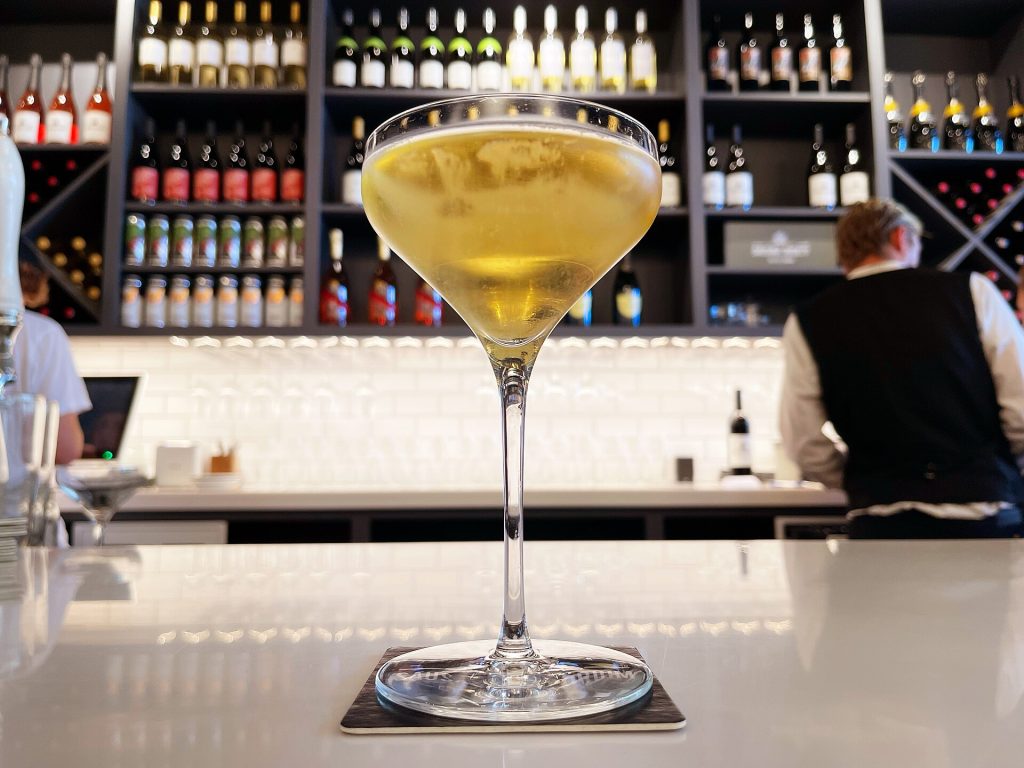
Myth 6: Extra Dry is drier than Brut
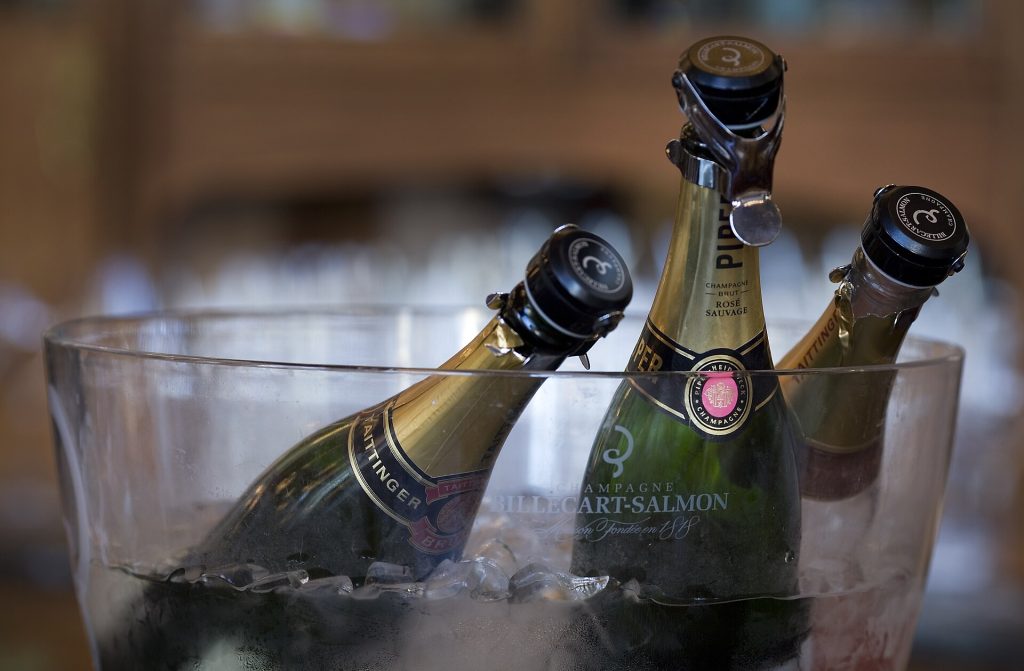
The fact: it is the other way round. The sweetness terms on a Champagne label come from the dosage, the small dose of sugar dissolved in wine that is added just before the final cork goes in. The Comité Champagne’s dosage guide sets out the ranges:
- Brut Nature: less than 3 grams of sugar per litre.
- Brut: less than 12 grams per litre.
- Extra Dry: between 12 and 17 grams per litre.
- Sec: between 17 and 32 grams per litre.
- Demi-sec: between 32 and 50 grams per litre.
- Doux: more than 50 grams per litre.
So Extra Dry sits between Brut and Sec, noticeably softer than Brut. That can be a good thing: a touch of sweetness works well with spicy food and fruit desserts. Just order it on purpose, not by accident.
Champagne myths vs facts at a glance
| Myth | Fact | Why it matters |
|---|---|---|
| Any good sparkling wine is Champagne | The name is reserved for wine from the delimited Champagne area made to its rules | Read the label, and expect menus to use the word accurately |
| The coupe is wrong | Coupes release less gas above the glass than flutes; each gives a different experience | Choose the glass for the wine and the occasion |
| A spoon keeps it fizzy | Tested and found to make no difference; cold and a stopper help | Save leftover bubbles in the fridge with a proper seal |
| Vintage always beats non-vintage | Different styles with different minimum ageing: 15 months versus three years | Buy vintage to taste a year, non-vintage for a consistent house style |
| A loud pop is proper | Corks can reach 50 mph; a slow twist is safer | Open with a towel, at an angle, pointed away from people |
| Extra Dry is drier than Brut | Extra Dry has 12 to 17 g/L of sugar; Brut less than 12 | Order the sweetness level you actually want |
If you are building a list, these same points shape how you describe bottles to guests. Our guide to sparkling wine styles goes further on alternatives from outside Champagne.
FAQ
Is Champagne only from France?
Yes. The designation, recognised in 1936, reserves the name for wine from the delimited Champagne area made according to its rules. It is protected in more than 130 countries.
Is a flute or a coupe better for Champagne?
Neither is wrong. A 2012 study found flutes release more carbon dioxide above the glass than coupes, which changes the experience. Pick the glass that suits the wine.
How do I keep an open bottle of Champagne fizzy?
Keep it cold and seal it with a proper stopper. A spoon in the neck does not help.
Which is sweeter, Brut or Extra Dry?
Extra Dry. It has 12 to 17 grams of sugar per litre, while Brut has less than 12.
Put the facts to work at your next bottle
Next time you open a bottle, check the sweetness term on the label against the ranges above, chill it thoroughly, and open it with a towel and a slow twist. If any is left, stopper it and put it straight back in the fridge rather than reaching for a spoon. Then try the same wine in a flute and in a wine glass side by side and decide which you prefer. For more on what to pour, browse our drinks section, and read our wine pairing basics before your next dinner.
Featured photo: Champagne flute MET DP299970 by Jersey Glass Company, CC0.