Much of what Americans believe about Chinese American food history is back to front. The fortune cookie came to America by way of Japan. Chop suey grew from a humble Cantonese mixture, not a banquet for a visiting statesman. General Tso’s chicken was created in Taiwan in the 1950s and made sweet in New York. And the MSG scare began with a single letter, not a body of evidence.
None of that makes the food less interesting. It makes it more so. Chinese American cooking is the story of immigrants who built a cuisine under hostile laws, adapted to local tastes and ingredients, and ended up feeding the whole country.
Here are five persistent myths, taken one at a time, with what museums, historians and archives actually say.
Key takeaways
- Fortune cookies trace to Japanese crackers from near Kyoto; a San Francisco Japanese bakery supplied them in the early 1900s.
- Chop suey comes from a Cantonese term for a random mixture; the Li Hongzhang banquet story is a legend.
- General Tso’s chicken was invented by chef Peng Chang-kuei in Taiwan in the 1950s and sweetened in 1970s New York.
- Exclusion-era law pushed Chinese immigrants toward restaurants; in Manhattan, eating places grew from 11 in 1898 to 230 in 1918.
- The MSG panic grew from a 1968 letter and newspaper coverage, a history the Science History Institute calls rotten science.
Five myths at a glance
| Myth | Fact |
|---|---|
| Fortune cookies are Chinese | They grew from Japanese crackers and were made in San Francisco by a Japanese American bakery |
| Chop suey was invented for Li Hongzhang in 1896 | The name comes from a Cantonese word for a random mixture; the banquet tale is legend |
| General Tso’s chicken is an old Hunan dish | Peng Chang-kuei created it in Taiwan in the 1950s; New York made it sweet |
| Chinese American food is fake Chinese food | It is a real regional cuisine shaped by immigration law and local ingredients |
| Scientists discovered a Chinese restaurant syndrome | The scare began with a 1968 letter and grew through newspapers and weak studies |
The fortune cookie myth
Myth 1: Fortune cookies come from China
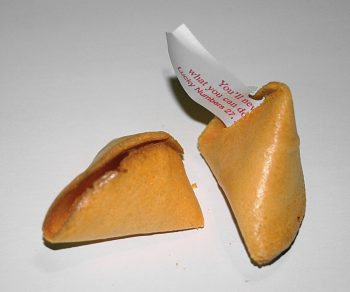
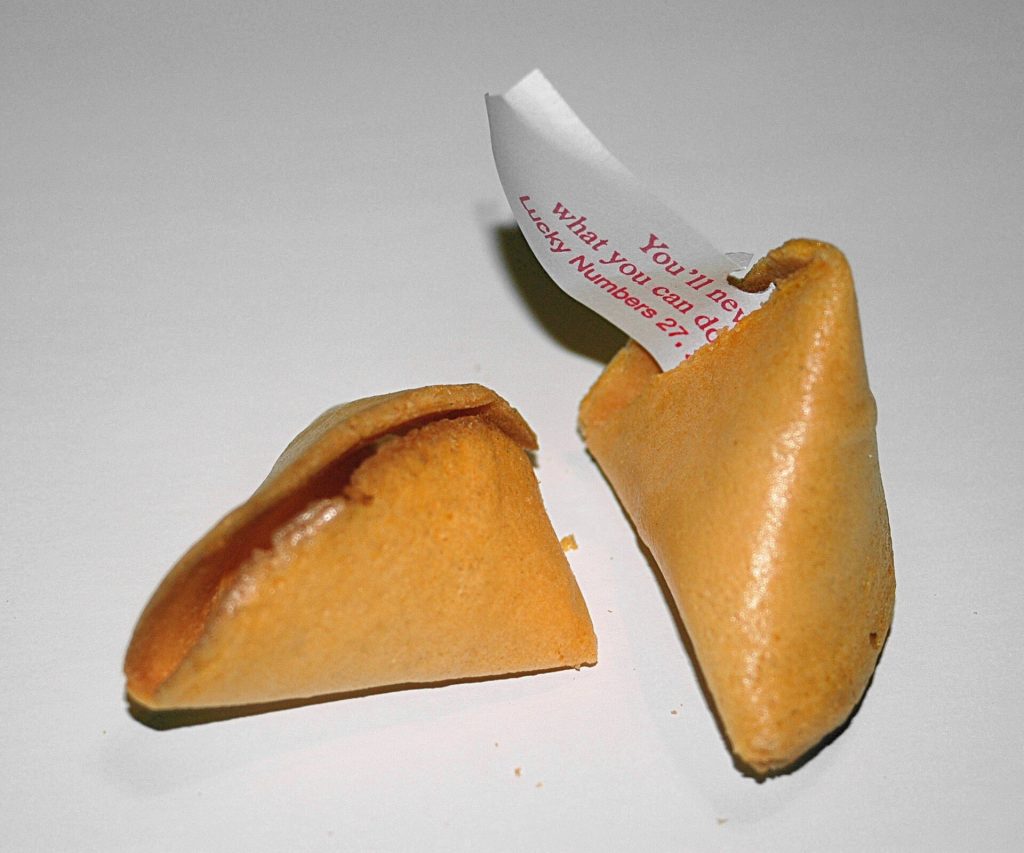
It is the most famous Chinese restaurant tradition that did not start in China. The Smithsonian’s National Museum of American History puts it plainly: fortune cookies are not a Chinese creation but an American one by way of Japan.
The Japanese American National Museum cites research by Kanagawa University scholar Yasuko Nakamichi, who traced the first version of the cookie to an area close to Kyoto in the 19th century, a descendant of Japanese senbei crackers. In San Francisco, Makoto Hagiwara of the Japanese Tea Garden in Golden Gate Park sold fortune cookies between 1910 and 1914.
His supplier was Benkyodo, a Japanese confectionery that Suyeichi Okamura founded in San Francisco in 1906. The Smithsonian says the cookies were made one at a time in antique iron hand molds, and that Benkyodo remained the Tea Garden’s sole supplier until World War II.
How the cookie changed hands
The turning point was the incarceration of Japanese Americans. With Japanese American bakers sent to camps, the museum notes, Chinese businessmen began producing fortune cookies themselves and selling them to Chinese restaurants. The cookie stayed at the Chinese restaurant table after the war and never left.
The fortune cookie is Japanese in origin, American by birth and Chinese only by adoption.
Myths about the classic dishes
Myth 2: Chop suey was invented for a Chinese statesman in 1896
The favourite story says chop suey was improvised for Li Hongzhang, China’s leading diplomat, during his 1896 visit to America. An essay published by the Association for Asian Studies lays out the versions: his cook invented it, he and his cook invented it together, or a New York restaurant made it up when caught unprepared.
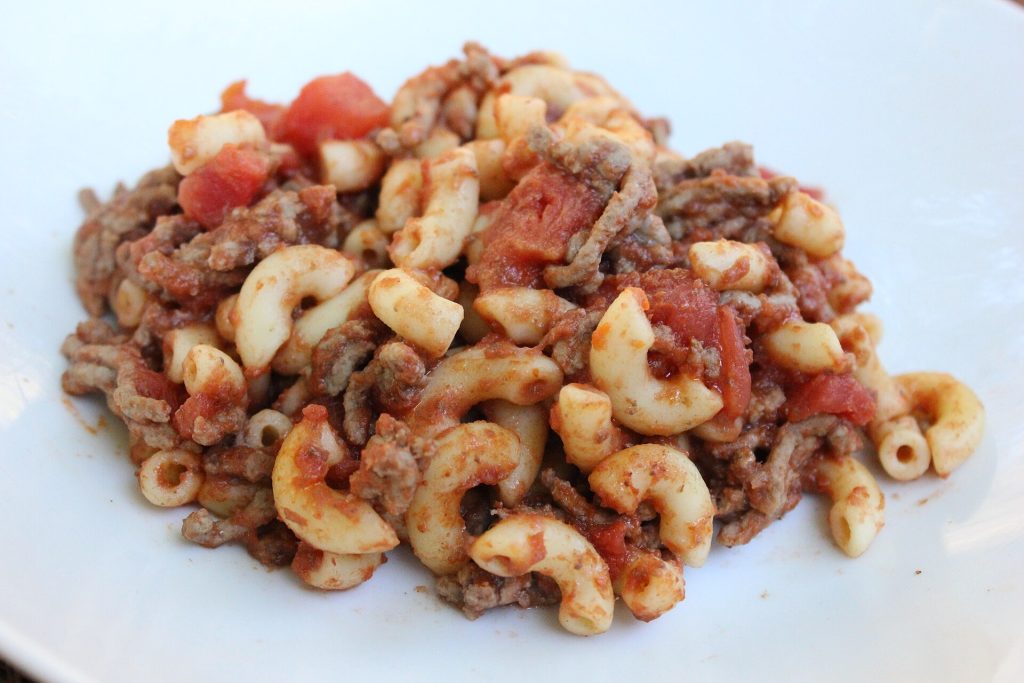
The essay treats all of them as a flattering legend, one that compensates for the dish’s origins among ordinary people. The name comes from zaptsui in Cantonese, meaning a random mixture: an everyday south China stew that existed long before any American version. What Chinese cooks in the United States did was adapt it for local customers.
Myth 3: General Tso’s chicken is a centuries-old Hunan classic
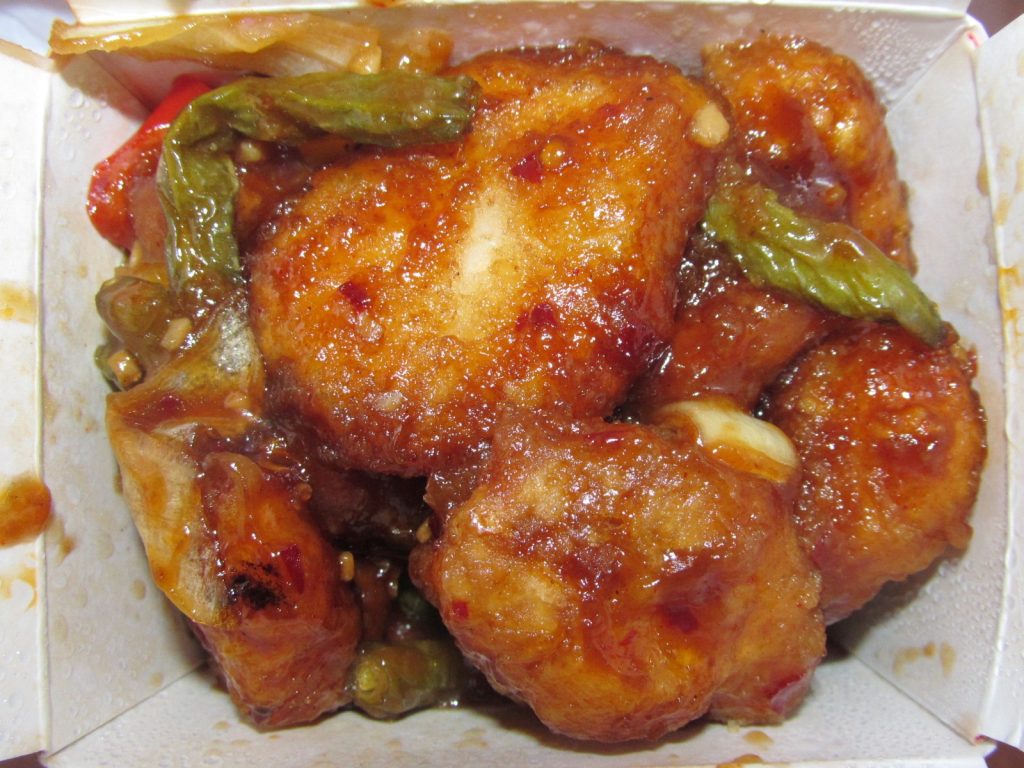
The general is real; the dish is not his. According to Smithsonian magazine, chef Peng Chang-kuei, who had supervised banquets for the Nationalist government, created it in Taiwan in the 1950s after fleeing the mainland in 1949. He named it after a 19th-century Hunanese general who never ate anything like the sticky-sweet version known today.
Peng’s original was, in his words, typically Hunanese: heavy, sour, hot and salty. In the 1970s, New York chef Tsung Ting Wang of Shun Lee Palace tasted it in Taiwan and brought it home with a crispier batter and a sweet sauce. When Peng later opened his own New York restaurant, he found diners already devoted to Wang’s version and altered his recipe to suit them.
The authenticity myth
Myth 4: Chinese American food is just fake Chinese food
The authenticity charge ignores how the cuisine was built. The Library of Congress records that the Chinese Exclusion Act, signed on May 6, 1882, barred Chinese laborers from immigrating, was later made permanent, and was not repealed until 1943.
Under that regime, restaurants became one of the few ways to earn a living and, eventually, a route into the country. Historian Heather Ruth Lee, writing for the Organization of American Historians, describes an unexpected policy change that made Chinese restaurant owners eligible for merchant status. The numbers tell the story: a journalist counted 11 eating establishments in New York’s Chinatown in 1898, and by 1918 Manhattan had 230 licensed Chinese restaurants, a twenty-fold increase.
Lee also shows how chop suey and chow mein pulled in customers, to the point that rival restaurants added chop suey to their menus to win them back. The Association for Asian Studies essay notes that by the end of the 20th century there were more Chinese restaurants in the United States than McDonald’s, Burger King and KFC outlets combined.
- Adapted to ingredients: cooks worked with what American suppliers sold.
- Adapted to customers: sweeter, crispier, saucier dishes sold better to non-Chinese diners.
- Shaped by law: exclusion-era rules steered immigrants toward laundries and restaurants.
That is the definition of a regional cuisine, not a counterfeit one.
The MSG myth
Myth 5: Science discovered a Chinese restaurant syndrome
MSG itself came from Japan. The Science History Institute notes that chemist Kikunae Ikeda developed it in the early 1900s and founded Ajinomoto to produce it. Americans then ate it in processed foods for decades without much alarm.
The scare arrived in April 1968, when Maryland physician Robert Ho Man Kwok wrote to the New England Journal of Medicine asking why he felt unwell after eating at restaurants serving Northern Chinese food. He listed three possible culprits: salt, cooking wine or MSG. Newspapers ran with the idea anyway, and the phrase Chinese Restaurant Syndrome stuck.
Writer Sam Kean’s account for the institute describes the studies that followed as badly designed, including one in which mice were injected with enormous doses, and argues that the panic took hold only once MSG was linked to Chinese restaurants. For a history lesson, the lesson is clear: the label said more about attitudes to Chinese food than about the food itself.
More on how immigrant cooks shaped the American table sits in our food culture section, including immigrant food stories.
FAQ
Where were fortune cookies invented?
They trace to Japanese crackers from near Kyoto and were popularised in San Francisco in the early 1900s by the Japanese Tea Garden and the Benkyodo bakery. Chinese restaurants adopted them during World War II.
Is chop suey a real Chinese dish?
Its roots are real. The name comes from a Cantonese term for a random mixture, a south China everyday dish, which Chinese cooks in America adapted for local diners.
Who invented General Tso’s chicken?
Chef Peng Chang-kuei created it in Taiwan in the 1950s. The sweeter, crispier version most Americans know was developed in New York in the 1970s.
Why is MSG linked to Chinese food?
A 1968 letter to a medical journal speculated about it, and newspapers popularised the phrase Chinese Restaurant Syndrome, even though MSG was already common in American processed foods.
Order with the history in mind
Next time you order, try a small experiment: ask for one dish from the American canon and one from the restaurant’s regional menu, and taste the history side by side. Our restaurant directory can help you find a spot, and a guide to dim sum is a good next step if you want to explore further.
Featured photo: Fortune cookie broken 20040628 223252 1 by User Lorax on en.wikipedia, BY-SA 3.0.