Catering can make an event feel effortless, or it can quietly ruin the whole experience.
Most people assume catering is simple. You pick a menu, you pay a deposit, and food shows up on the day of the event. In reality, catering is one of the most important decisions you make when hosting. It affects timing, guest comfort, flow, and the overall mood of the day.
The right caterer does not just feed people. They help your event feel organized. They make the space feel welcoming. They remove stress you did not realize you were carrying.
The wrong caterer creates chaos. Food comes late. Portions are off. The setup looks sloppy. Guests wait too long. Someone is always asking where the coffee is.
If you want to book catering without regrets, you need a checklist. Not a long, complicated one, but a clear set of things you should confirm before you sign anything.
This guide breaks down the catering checklist every host should know before booking, whether you are planning a corporate lunch, a wedding, a private party, or a family celebration.
Step One: Get Clear on What Kind of Event You Are Hosting
Before you contact caterers, you need to know what you are actually planning. Not just the date and location, but the tone.
Some events are formal. Some are casual. Some are fast-paced. Some are relaxed and social. Catering should match the energy of the event, not fight it.
Ask yourself a few key questions:
- Is this event more social or more structured?
- Will guests be seated, standing, or moving around?
- Is the food the main attraction or just part of the day?
- Will there be speeches, presentations, or a strict timeline?
Once you know the vibe, you can choose a catering style that makes sense. You also avoid the common mistake of ordering food that does not fit the format.
A plated dinner feels awkward at a casual networking event. A buffet can feel messy at a formal wedding. Food should support the event, not distract from it.
Confirm Your Guest Count and Budget Early
Catering costs are driven by guest count. This seems obvious, but many people delay confirming their numbers and then feel shocked when pricing comes back higher than expected.
Even if you do not have final RSVP numbers, you should have a realistic estimate.
You should also decide your budget range before talking to caterers. Otherwise, you waste time discussing menus you cannot afford.
When setting your budget, remember that catering is not only food. It can include:
- delivery fees
- service staff
- setup and cleanup
- rentals like plates and utensils
- gratuities
- beverage service
- extra charges for last-minute changes
If you want a realistic budget, plan for more than just the menu price.
Ask What Type of Service They Offer
Not all catering is the same.
Some caterers only deliver food. Others provide full-service staff. Some offer plated dinners, while others focus on buffets, boxed lunches, or cocktail-style events.
You need to ask what kind of service is included, because assumptions create problems later.
Here are service types you may want to clarify:
- Drop-off catering with no staff
- Buffet setup with staff support
- Full-service catering with servers and cleanup
- Plated meal service
- Passed appetizers and cocktail service
If your event involves formal guests or a tight schedule, full-service catering can be worth it. If your event is smaller and casual, drop-off catering might be enough.
The key is matching the service to the event experience you want.
Confirm What Is Included in the Quote
This is one of the most important parts of booking catering.
Some quotes include everything. Some quotes only include food. Some caterers charge extra for basic items that you assumed were part of the deal.
Before you commit, ask for a detailed breakdown.
A strong catering quote should clearly confirm:
- food and menu pricing per person
- delivery cost
- setup details
- staffing costs if applicable
- service hours
- rental items included
- taxes and service charges
- deposit and payment schedule
If the quote is vague, that is a warning sign. You should not have to guess what you are paying for.
Clear pricing usually reflects a more organized catering company.
Check Their Experience With Your Type of Event
A caterer might be great, but not right for your event.
Corporate catering requires punctuality and clean presentation. Weddings require strong coordination and attention to detail. Private parties require flexibility and good pacing.
Ask the caterer what types of events they handle most often.
A simple question can reveal a lot:
“What type of events do you specialize in?”
If they sound confident and specific, that is a good sign. If they seem unsure or vague, it might mean they are not experienced in your event format.
A good caterer knows the rhythm of an event and can anticipate needs before they become problems.
Review Menu Options and Dietary Flexibility
Food should make guests feel included, not stressed.
Most events today include guests with dietary restrictions, allergies, or preferences. You do not need to create a menu that pleases everyone perfectly, but you should offer options that feel thoughtful.
Ask the caterer how they handle:
- vegetarian meals
- vegan meals
- gluten-free options
- nut allergies
- dairy-free items
- halal or kosher preferences
A good caterer will not act annoyed by these questions. They will have solutions ready.
You should also ask whether substitutions cost extra and whether they can label food clearly. Labeling matters more than people think, especially at buffets.
It helps guests relax because they do not have to guess what they can eat.
Ask About Portion Sizes and Serving Style
Portion size is one of the most common complaints in catering, and it is often preventable.
Some caterers serve generous portions. Others serve minimal portions and rely on guests not noticing. Some buffet-style menus run out early because they were not planned correctly.
Ask directly how they plan portion sizes. If the caterer is experienced, they will be able to explain it clearly.
It also helps to ask how food will be served:
- Will staff monitor the buffet and refill trays?
- Will appetizers be passed or placed on tables?
- Will food be served in waves or all at once?
- Will there be a clear flow so guests are not stuck in long lines?
Serving style affects the guest experience as much as the menu itself.
Confirm Timing and Event Flow Support
Timing is everything.
Food arriving late can derail your entire event schedule. Food arriving too early can lead to cold dishes and dry appetizers. If the caterer is not organized with timing, the rest of the event will feel disjointed.
Confirm the delivery or arrival time in writing. Confirm when food will be served and how long it will stay fresh.
Ask these practical questions:
- How long does setup take?
- How early will staff arrive?
- When will the food be ready to serve?
- How do you keep hot food hot and cold food cold?
- What happens if the event runs late?
If the caterer can speak clearly about timing, it usually means they have done this many times before.
Ask What They Need From the Venue
Every venue has different limitations.
Some venues have full kitchens. Others have no prep space at all. Some have strict rules about outside vendors. Some have limited loading zones.
You should confirm what the caterer needs from the venue so you do not end up scrambling at the last minute.
Common venue needs include:
- access to a kitchen or prep area
- access to running water
- power outlets for warming equipment
- fridge space for cold items
- parking access for delivery vehicles
- setup time without guests present
If your venue has limitations, a professional caterer should be able to work around them. But they need to know early.
Check Their Setup and Presentation Style
Presentation matters.
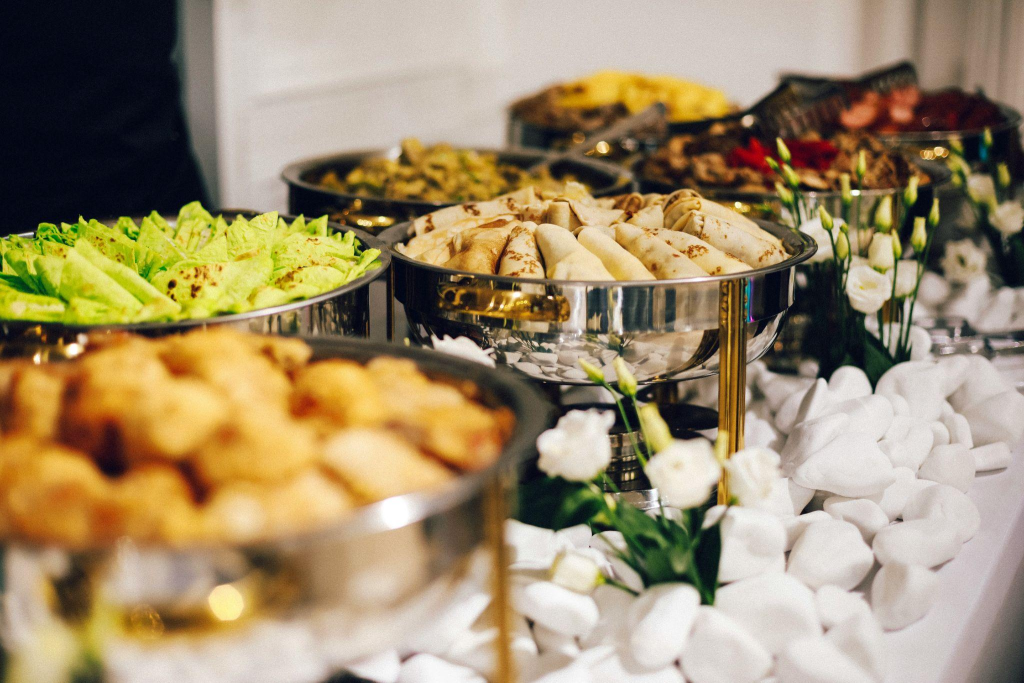
Even simple catering can look polished if it is arranged properly. The opposite is also true. Great food can still feel disappointing if it is delivered in messy trays with no structure.
Ask if they provide display elements such as:
- serving platters
- chafing dishes
- labeled menu cards
- table styling options
- clean and organized buffet layouts
You do not need anything extravagant. You just want the food setup to look intentional.
Guests notice these details, even if they do not say it out loud.
Understand Their Cancellation and Change Policy
Plans change. Guest counts shift. Timelines move. People add plus-ones last minute.
You need to know how flexible the caterer is and what their policies are.
Before you book, confirm:
- when the final guest count is due
- whether you can increase or decrease numbers
- what happens if you need to reschedule
- refund policy for cancellations
- payment deadlines and deposit rules
A professional catering company will have clear policies. That is not a bad sign. It means they are organized.
Read Reviews and Look for Patterns
Reviews are useful when you read them properly.
Do not focus on one bad review. Focus on repeated patterns.
If multiple people mention late delivery, poor communication, or small portions, that is a problem. If multiple people mention punctuality, friendly staff, and smooth setup, that is a good sign.
You should also pay attention to how the company responds to criticism. Professional responses show maturity and accountability.
Choose a Caterer That Makes Hosting Feel Easier
The best caterers do not add stress. They remove it.
They communicate clearly. They show up on time. They understand event flow. They help you feel confident instead of overwhelmed.
If you are hosting an event and want support from a team that understands how to deliver a smooth experience, working with a company that offers professional catering solutions can help you feel organized from the start.
When catering is done well, it becomes invisible in the best way. Guests are fed, happy, and comfortable. The event moves naturally. You are not running around managing food logistics.
You are actually present.
Final Checklist Before You Book
Before you sign anything, run through this final checklist.
- You understand the full quote and what it includes.
- You know the service style and staffing plan.
- You have confirmed timing and setup requirements.
- You have reviewed dietary options and menu flexibility.
- You have clarified portion sizes and serving logistics.
- You understand cancellation and change policies.
- You have read reviews and checked for patterns.
- You feel confident in their communication.
If you can say yes to all of these, you are booking from a place of clarity, not stress.
And that is what good hosting should feel like.
Catering should not be a gamble. It should be the part of your event that makes everything else easier.