Dubai Chocolate has evolved from a niche confection inspired by Middle Eastern desserts into one of the most talked-about food trends on social media.
From specialty dessert shops to major retailers, demand for the pistachio-filled chocolate bar has spread well beyond the Middle East.
What began as a viral sensation is now influencing product launches, consumer spending, and food marketing strategies around the world.
What Exactly Is Dubai Chocolate?
Before examining the trend, it helps to understand the product itself.
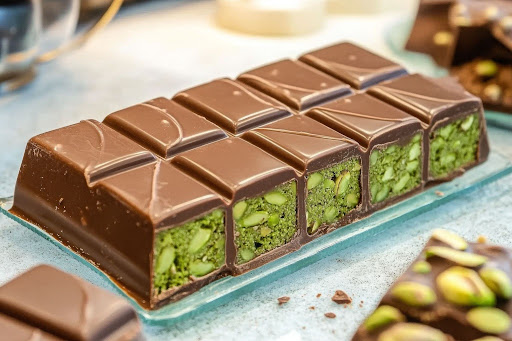
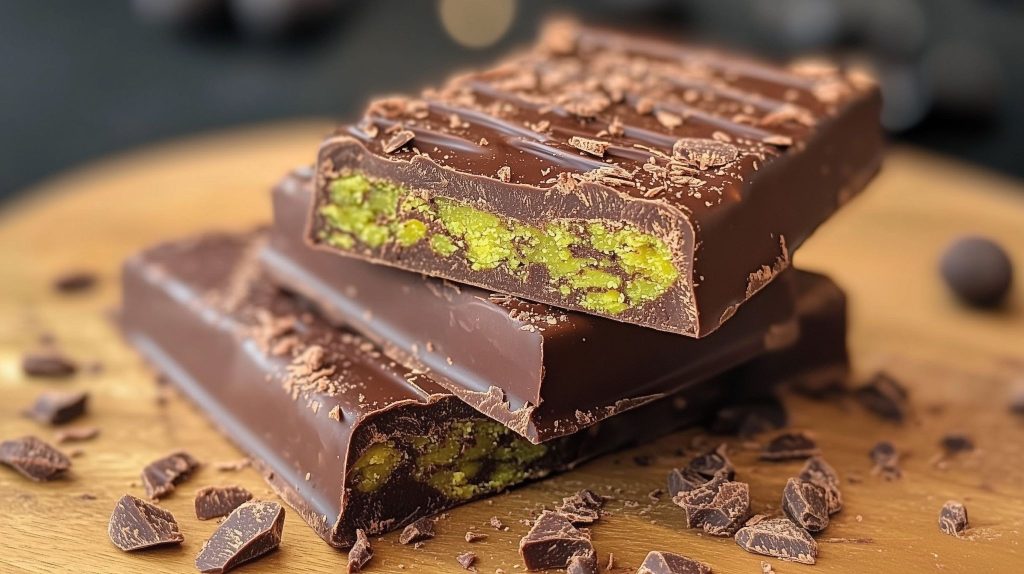
Dubai Chocolate typically consists of:
- A thick milk or dark chocolate shell
- A Pistachio cream filling
- Crispy kunafa (also spelled knafeh or kanafeh) pastry
- Occasionally, a tahini or other Middle Eastern flavor additions
The combination creates a contrast of textures, be it crunchy, creamy, or rich, that distinguishes it from our traditional filled chocolate bars.
Kunafa is a well-known Middle Eastern dessert made with shredded pastry and sweet fillings, providing the inspiration behind the chocolate’s signature crunch.
The Viral Rise of Dubai Chocolate
The chocolate’s popularity accelerated through TikTok, Instagram, and YouTube, where creators posted reaction videos, taste tests, and product reviews.
Its visual appeal played a major role in attracting attention. Breaking open the chocolate bar reveals a vibrant green pistachio filling and crunchy layers that photograph and film exceptionally well.
Unlike many food trends that rely solely on novelty, Dubai Chocolate offers a recognizable flavor profile while introducing many consumers to ingredients associated with Middle Eastern desserts.
The speed at which Dubai Chocolate gained international attention highlights how quickly modern consumers discover new products online, whether they are food items, retail brands, or digital platforms such as Spinplus.
In today’s digital landscape, a single viral moment can transform a niche offering into a global conversation almost overnight.
Why Consumers Are Willing to Pay Premium Prices
Dubai Chocolate also demonstrates how food trends can create premium markets.
Several factors contribute to its higher price point:
- Pistachios are relatively expensive ingredients.
- Specialty production methods increase costs.
- Social media exposure creates demand faster than supply.
- Limited availability can enhance perceived exclusivity.
For businesses, the trend highlights a broader shift in consumer behavior. Buyers are increasingly willing to spend more on food products that offer a unique experience, cultural story, or social media appeal.
In many cases, consumers are purchasing not just a dessert but participation in a cultural moment.
The Growing Interest in Middle Eastern Flavors
The success of Dubai Chocolate reflects growing global curiosity about Middle Eastern cuisine. Ingredients such as pistachio, tahini, rose water, cardamom, and kunafa are becoming more familiar to international audiences.
Food trends often act as entry points to broader culinary traditions.
Just as matcha introduced many consumers to Japanese tea culture, Dubai Chocolate has sparked interest in Middle Eastern desserts and flavors that previously received less mainstream attention.
What Businesses Can Take From the Dubai Chocolate Boom
The phenomenon offers several lessons for food brands:
- Visual appeal matters more than ever.
- Cultural storytelling creates stronger consumer connections.
- Limited availability can drive demand.
- Authentic inspiration often resonates better than trend-chasing alone.
- Social media can transform a niche product into a global one within months.
Many companies are already applying these lessons by developing their own pistachio-filled chocolates, dessert collaborations, and Middle Eastern-inspired menu items.
Have You Had Knafeh Already?
Whether Dubai Chocolate remains a long-term staple or eventually fades as a viral trend, its impact on the food industry is already evident.
The product demonstrates how social media, cultural curiosity, and premium food experiences can combine to create global demand.
More importantly, it shows that consumers are increasingly interested in foods that offer more than taste alone; they want a story, an experience, and a connection to something beyond the product itself.
This combination of culinary tradition and modern-day marketing may be the real reason Dubai Chocolate became one of the most discussed food trends of the decade.