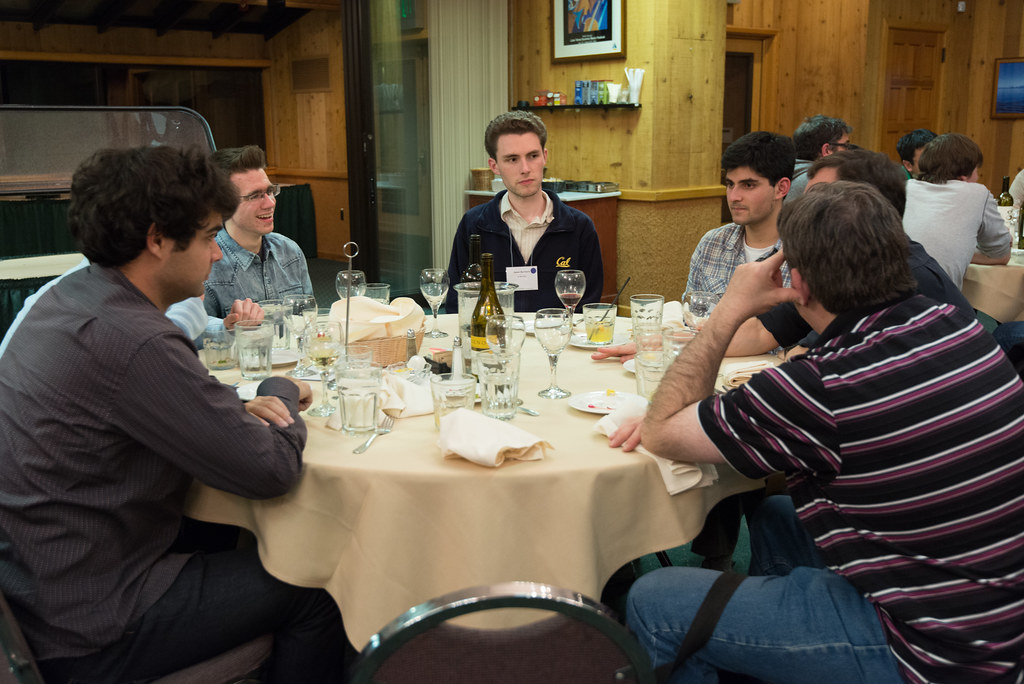
In a busy restaurant, the glow of a live stream on the wall is almost as much a part of the atmosphere as the clatter of dishes or the hum of conversation. Diners follow the action on screen, whether it’s a big match, a chef at work, or a special event unfolding live. The room reacts in small waves—glances upward, a pause in eating, a shared moment of anticipation.
But when the broadcast stutters or freezes, something interesting happens. Conversations pick up, laughter spreads, and guests shift their focus to each other and the immediate environment. The interruption isn’t just a technical glitch; it becomes a moment that changes the energy in the room. This article looks at how these pauses in streaming highlight the delicate balance between digital entertainment and real-world connection, and what they reveal about where true interaction lies in today’s restaurants.
When the stream stalls, attention finds new anchors
As soon as the broadcast falters, there’s a noticeable shift in the dining room. Plates are still being passed, but eyes move from the screen to the people and happenings around the table. The brief silence from a paused game or frozen chef cam creates space for other senses to take over—suddenly, guests notice the spices wafting from the kitchen or catch snippets of laughter from another group nearby.
This pause often encourages diners to put their phones down and reconnect with the present moment. There’s a subtle change as conversations grow more animated and attention turns toward the arrival of new dishes or the ambiance of the restaurant itself. The interruption, however minor, acts as a reset for the room’s focus, reminding everyone that the shared environment offers plenty to engage with beyond the screen.
Some guests, in the lull, might quietly check updates on their phones or even look for other entertainment options, like scanning for tennis straming sites. This behavior highlights how digital habits are woven into the dining experience, but it also reveals how quickly people adapt when their primary digital source is interrupted.
These moments show the delicate balance between technology and human connection in restaurants. When the stream stalls, diners instinctively find new anchors for their attention, whether it’s a conversation, a sensory detail, or simply the shared experience of waiting together for the picture to return.
Conversation reclaims center stage amidst technical glitches
When a live stream blips out in the middle of a meal, it’s rarely met with true frustration. Instead, that glitch quickly becomes a shared moment—diners look up, exchange glances, and someone breaks the ice with a lighthearted remark about the frozen screen or buffering wheel.
Jokes and small talk ripple through the room, transforming a minor annoyance into an opening for new conversations. The interruption can nudge people to reminisce about favorite matches, recall a memorable dish, or talk about upcoming plans that have nothing to do with what was on screen. In these moments, the live stream’s absence actually amplifies the collective energy at each table, giving guests a reason to engage with each other rather than their devices.
It’s worth noting how ingrained live streaming has become in the dining experience. Recent data shows that about 28.5% of internet users watch live streams at least once a week, and in 2024 alone, viewers clocked an astounding 32.5 billion hours. This deep integration means that when a broadcast stutters, it doesn’t just break the flow—it creates a brief but meaningful pause in the digital routine, giving diners the chance to redirect their focus.
Even a fleeting technical issue can foster a sense of camaraderie, as everyone in the room rides out the disruption together. These scenes highlight how technology and human interaction are constantly reshaping each other in modern restaurants. For more on the numbers behind this trend, see 直播统计数据.
Restaurants weigh quality: the stakes of stream reliability
These numbers highlight why restaurants are taking live stream quality more seriously than ever. Managers know that a smooth, high-quality broadcast isn’t just background—it shapes how guests perceive the establishment and their overall enjoyment. When a stream falters, the risk isn’t just a moment of awkwardness; it’s a potential dip in guest satisfaction and even in the restaurant’s reputation.
Data supports this shift in priorities. In fact, 90% of viewers now say that video quality is the most important factor in their live streaming experience. For restaurants, this means technical reliability has become closely tied to their brand’s promise and the atmosphere they want to create. Some venues invest heavily in better equipment and dedicated internet bandwidth, making seamless streaming part of their identity and marketing approach.
For more about how restaurants are integrating live video into branding and outreach, see 餐厅营销渠道.
Yet, not every establishment sees a glitch as a setback. For some, an occasional freeze is simply a reminder of the balance between digital entertainment and the human side of dining. The push for perfect streaming now goes hand in hand with efforts to keep the dining room dynamic, using both technology and personal interaction to craft a memorable experience. Technical decisions are no longer behind-the-scenes—they’re central to the evolving story of dining out.
Brand identity at the crossroads of technology and togetherness
This balance between streaming reliability and genuine connection is shaping brand identity in modern dining rooms. Every time a live feed stutters or freezes, restaurants face a quiet decision—should they focus on perfecting the technology or embrace the authentic, sometimes unpredictable moments that follow?
These small interruptions often become part of the restaurant’s story. Guests don’t just remember the game or the performance on the screen. They recall the laughter sparked by a frozen image, the playful comments exchanged with staff, and the shift in conversation that brings people closer together.
Industry data highlights the rising importance of high-quality streams, with statistics showing just how central this expectation has become for diners (直播行业重要性). Yet, even the best technology can’t replace the impact of a shared moment or a spontaneous conversation during a brief technical hiccup.
For many restaurants, the real mark of their brand is found in how they respond—whether by quickly fixing the issue or by turning the glitch into an opportunity for hospitality. Ultimately, it’s these unscripted pauses that may leave the deepest impression after the meal is done.
Technology fades, the table remains
Even as live streaming becomes a staple in restaurants, both staff and diners are realizing that it’s only one layer of the experience. While technical perfection certainly adds to the atmosphere, those moments when a stream falters can actually highlight what truly matters in a meal.
When the screens go quiet, attention returns to the people at the table and the conversations that unfold. It’s these interactions—sometimes sparked by a frozen feed—that create lasting memories. In the end, technology can enhance dining, but the core of a restaurant’s community is built on the simple act of sharing food and stories together.