A ghost kitchen brand is a delivery-only restaurant that exists on apps and a website but has no dining room of its own. For an existing restaurant, the cheapest way in is to run one from the kitchen you already have. It works when the new menu reuses ingredients and stations you already run, travels well, and earns more than the platform fees and packaging it costs.
To make that concrete, this walkthrough follows a hypothetical operator. Say you run a 70-seat Italian trattoria. Lunch is slow on weekdays, the fryer sits idle until dinner, and delivery orders for your pasta arrive soggy. You want a second brand that fills those gaps without a new lease.
Here is how that decision plays out, step by step, from concept to the 90-day review.
Key takeaways
- Pick a concept that runs on your existing stations and staff skills, not a trend your team has never cooked.
- Aim for heavy ingredient overlap with your main menu so the new brand adds sales without adding much waste.
- Test every item in its packaging over a real delivery time before launch.
- Your local health department sets the permit rules; many base their codes on the FDA’s model Food Code.
- In New York City, delivery app fees charged to restaurants are capped as a percentage of each order.
- Tell customers who is cooking. Transparency about virtual brands is a live policy issue.
In this guide
- Step 1: Choose a concept your line already knows
- Step 2: Build the menu around overlap
- Step 3: Pack for a 20-minute ride
- Step 4: Permits and platform fees
- Step 5: Be straight about who is cooking
- Step 6: The 90-day review
- FAQ
- Sketch your own brand this week
Step 1: Choose a concept your line already knows
The trattoria’s first instinct is to chase whatever is trending on the apps. That is usually the wrong starting point. The better question is what your line can already cook well, fast and consistently, during the hours you have spare capacity.
Our operator lists the assets: a fryer that is quiet at lunch, a pizza oven that is hot from 11am, a team strong on breading and sauces, and a walk-in full of chicken thighs, mozzarella, tomatoes and bread. Three concepts make the shortlist.
- Chicken cutlet sandwiches: uses the fryer, the breading station and existing proteins. Travels well if packed right.
- Grain bowls: fits a lunch crowd, but needs new ingredients and a cold assembly station the kitchen does not have.
- Wings: popular on delivery, but a crowded category, and it needs sauces the team has not developed.
The cutlet sandwich wins. It uses equipment and skills already in the building, and a sandwich shop does not compete with the trattoria’s own pasta orders. That last point matters more than it looks: a second brand that simply steals your existing delivery customers adds work, not sales.
Step 2: Build the menu around overlap
Next comes the menu. The goal is a short list, six to eight items, where almost every ingredient already appears on the trattoria menu. New ingredients bring new waste, new prep and new ordering, so each one has to earn its place.
| Ghost brand item | Shared with the main menu | New ingredient needed |
|---|---|---|
| Chicken cutlet sandwich | Chicken thighs, breadcrumbs, mozzarella, tomato sauce | Sandwich rolls |
| Spicy cutlet sandwich | Chicken thighs, breadcrumbs, chili flakes | Pickled peppers |
| Eggplant cutlet sandwich | Eggplant, breadcrumbs, mozzarella, tomato sauce | Sandwich rolls |
| Garlic fries | Potatoes, garlic, parsley, fryer oil | None |
| Side salad | Mixed leaves, house vinaigrette | None |
| Cannoli | Ricotta, shells already used for dessert | None |
Only two new ingredients enter the building. That keeps prep manageable and gives the trattoria more purchasing volume on items it already buys. It also means the brand can be switched off in a week if it fails, without leaving a walk-in full of stock nobody else uses. For more on this discipline, see our guide to menu engineering.
Prep and station plan
Map where each order is built during service. Here, cutlets are breaded in the morning prep, fried to order at the fry station and assembled at a spot on the pass. Nobody on the pasta line touches a sandwich order, so dinner service is not disrupted.
Step 3: Pack for a 20-minute ride
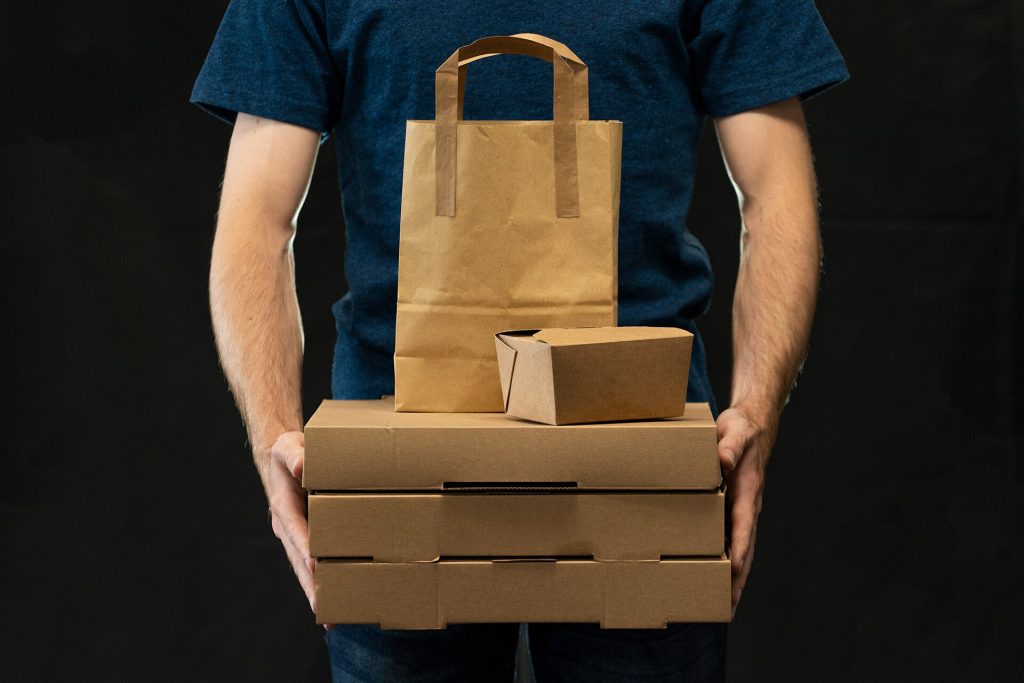
Delivery food is judged on arrival, not at the pass. A cutlet that is perfect at the kitchen door can be limp by the time it reaches a customer’s desk, and they will blame the brand, not the driver.
- Vent the fried food. Choose containers with vents so steam escapes rather than softening the crust.
- Separate wet from crisp. Pack sauce in a side cup so the customer adds it on arrival.
- Seal the bag. Use tamper-evident stickers or bags so the customer can see the order has not been opened.
- Label everything. Put the brand name and item names on each container, and note allergens where your jurisdiction requires it.
- Run a real test. Pack a full order, leave it for the length of a typical delivery, then eat it. Adjust until it still tastes right.
Our operator runs the test on three weekday lunches with staff as tasters. The first version of the fries fails. Switching to a vented box and adding salt at the last moment fixes it.
A ghost kitchen brand lives or dies in the bag. The kitchen is only half the product.
Step 4: Permits and platform fees
The health department comes first
Adding a brand to an existing licensed kitchen is often simpler than opening a new site, but it is not automatic. Retail food rules are set locally. The FDA Food Code is a model that state, local and tribal regulators use to write or update their own food safety rules, which is why requirements vary from place to place. The FDA published its newest full edition in September 2026.
Before launch, call your local health department and ask whether a new trade name needs its own permit or registration, whether new menu items change your plan review, and what labeling applies to delivery orders. In New York City, the NYC Food Policy Center at Hunter College notes that ghost kitchens operate under permits such as the H25 food service establishment permit, costing $280 a year, and the H26 non-retail permit, costing $200 a year. Rules elsewhere will differ, so get your answer in writing.
Know what the platforms charge
Platform fees can decide whether the brand makes money. Do not guess. Read each platform’s contract and put its percentages into your pricing model. In New York City, the Department of Consumer and Worker Protection caps what delivery apps can charge restaurants, as a percentage of each online order and with limited exceptions: 15% for delivery, 5% for a basic service fee, 20% for an enhanced service fee and 3% for transactions.
Our operator prices the cutlet sandwich so that food cost, packaging and the platform’s commission together still leave a margin. If the numbers only work on the cheapest platform tier, it is a warning sign before launch.
Step 5: Be straight about who is cooking
Virtual brands have a trust problem. Customers who discover that three “different” restaurants on an app share one kitchen often feel misled, even when the food is good.
The regulatory side is catching up. The NYC Food Policy Center reports that individual virtual brands in the city receive no letter grades of their own, and that a New York State Assembly bill, A06524, proposed requiring businesses to disclose on apps, websites and advertisements when they are virtual restaurants or operate from ghost kitchens. It remains a proposal, but the direction is clear.
- Say it plainly. A line such as “Cooked in the kitchen of our trattoria on Main Street” on the brand page costs nothing.
- Use the same address. List the real kitchen address on every platform.
- Let the parent brand help. A trusted local restaurant is a selling point, not a secret to hide.
Step 6: The 90-day review
Set the review date before launch, and decide in advance what success looks like. Ninety days gives a new brand time to find its audience without letting a loser drain the kitchen.
- ☐ Weekly orders and average order value, compared with the target you set before launch.
- ☐ Contribution margin per order after food, packaging and platform fees.
- ☐ Ratings and review themes, especially about temperature and texture on arrival.
- ☐ Ticket times at lunch and whether dinner service slowed.
- ☐ Waste on the two new ingredients.
- ☐ Whether trattoria delivery orders fell, which would suggest cannibalization.
At day 90, there are three honest outcomes: keep and invest, tweak and review again in 30 days, or switch it off. Because the menu shares nearly everything with the main kitchen, switching off costs little. That is the real advantage of starting inside a restaurant you already run.
FAQ
What is the difference between a ghost kitchen and a virtual brand?
A ghost kitchen is a kitchen that cooks only for delivery or pickup. A virtual brand is a restaurant name and menu that exists online, often cooked inside another restaurant’s kitchen, as in this walkthrough.
Do I need a new permit for a virtual brand?
It depends on your local health department. Ask whether a new trade name or menu needs its own permit, registration or plan review before you launch.
How many items should a ghost kitchen menu have?
Short menus are easier to execute and cost less to stock. Six to eight items built from ingredients you already use is a sensible starting point.
How do I stop delivery food arriving soggy?
Use vented containers for fried food, pack sauces separately, and test a packed order over a real delivery time before launch.
Sketch your own brand this week
Take your current menu and circle every ingredient and station with spare capacity between 11am and 5pm. Sketch two concepts that use only those, with no more than two new ingredients each, then price one hero item with food cost, packaging and platform commission included. If the margin survives, book a packaging test for next week. For more on running the numbers, browse our restaurant business section, read up on controlling food costs, or see how other kitchens position themselves in our restaurant directory.
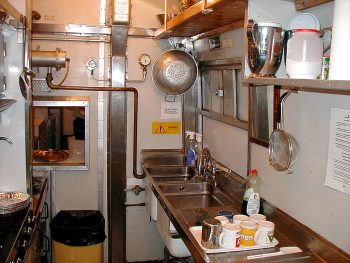
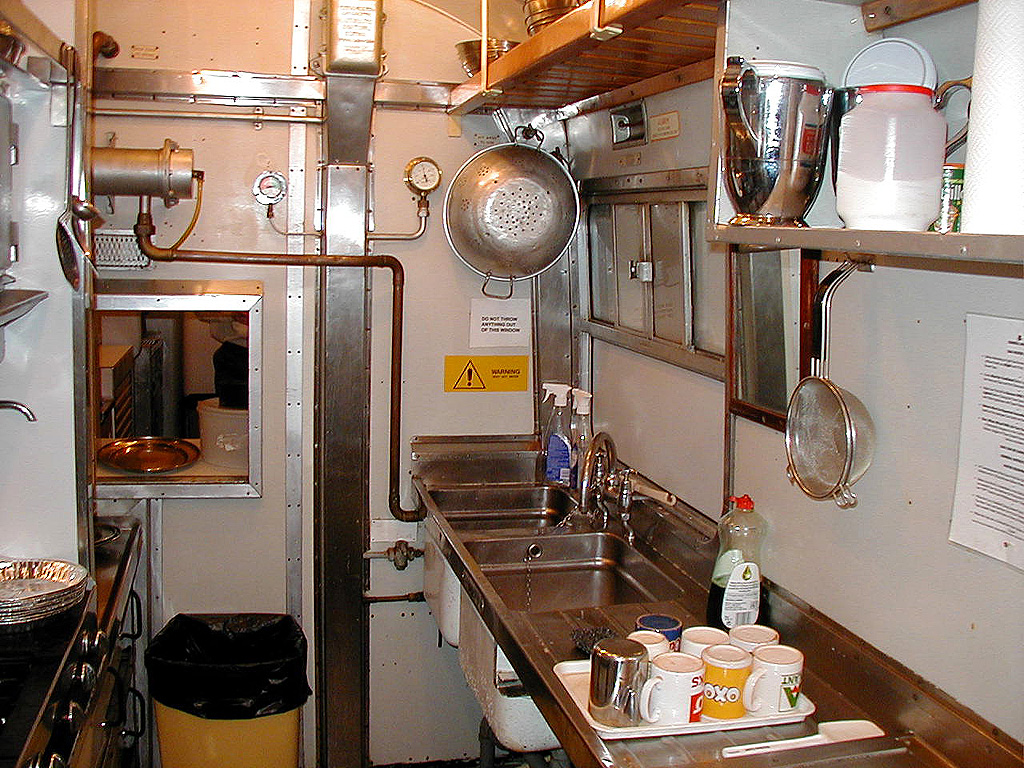
Featured photo: The kitchen of an ex-BR kitchen car – geograph.org.uk – 6559167 by John Lucas, BY-SA 2.0.