Soap packaging does more than protect a product. It shapes customer expectations, communicates brand values, and influences buying decisions.
Whether a business sells handmade soaps, organic cleansing bars, luxury bath products or everyday hygiene essentials, the right packaging can make its products more appealing and memorable. Today’s customers pay attention to more than the soap itself.
They notice the materials, colours, textures, and overall presentation. A well-designed package can suggest quality before customers even try the product. At the same time, it must protect the soap from moisture, dust, damage, and handling during storage and delivery.
In this article, we will discuss some ideal soap packaging options that can help boost your hygiene brand. Read on.
Why Does Soap Packaging Matter for Hygiene Brands?
Packaging plays an important role in how customers perceive hygiene products. Soap comes into direct contact with the skin, so buyers often look for signs of cleanliness, quality, and safety before making a purchase. Professional packaging helps businesses communicate these qualities clearly.
First, packaging protects soap bars from external elements. Dust, dirt, moisture and excessive handling can affect the product’s appearance and condition. Second, packaging gives brands an opportunity to build recognition.
Packaging also supports product information. Businesses can display ingredients, fragrance details, weight, usage instructions, and relevant warnings. This information helps customers understand what they are buying and make informed choices.
1. Luxury Packaging for Premium Soap Products
Premium soaps often appeal to customers who value quality, fragrance and presentation. Their packaging should reflect the same attention to detail as the product itself.
Well-designed luxury soap boxes can help brands create a sophisticated retail experience. Rigid boxes, premium folding cartons, and carefully finished cardboard packages are suitable choices for this market.
Material selection makes a noticeable difference. Thick paperboard provides a firm structure, while textured paper adds depth to the design. Soft-touch coatings create a smooth surface that feels pleasant when customers handle the package.
Finishing techniques can further improve the presentation. Gold or silver foil can draw attention to a logo, while embossing gives selected design elements a raised effect. Debossing creates an opposite effect by pressing details into the surface.
2. Cardboard Soap Boxes for Everyday Protection
Cardboard boxes remain one of the most practical packaging choices for soap manufacturers. They offer a strong structure, provide space for branding, and suit different product sizes. Small businesses and established hygiene brands can both use this packaging style to create a professional retail presentation.
One major advantage of cardboard is its versatility. Manufacturers can cut, fold, and shape it into different box styles without making the packaging unnecessarily complicated. Tuck-end boxes, straight-tuck cartons and reverse-tuck cartons are popular choices for individual soap bars.
Brands can also print product details directly onto the surface. This allows businesses to display ingredients, scents, brand stories, and other important information without adding separate labels.
Cardboard packaging also supports a wide range of printing techniques. Matte coatings create a clean appearance, while gloss finishes add shine. Embossing and foil stamping can highlight logos or product names.
3. Kraft Paper Packaging for Sustainable Soap Brands
Environmental concerns have encouraged many customers to consider the packaging choices behind everyday products. Hygiene brands can respond by selecting materials that support responsible packaging goals.
Kraft paper packaging offers a natural appearance that works particularly well for handmade, organic and plant-based soaps. Its earthy texture creates a simple yet attractive presentation without requiring excessive decoration.
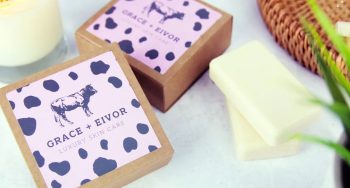
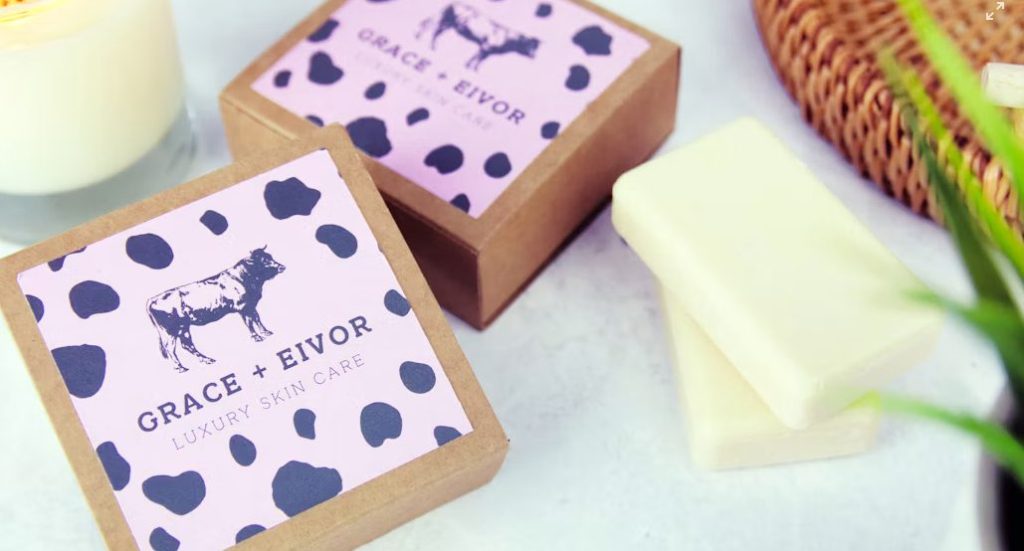
Many brands choose kraft soap boxes because they can pair natural-looking materials with clean typography and subtle printed designs. A small logo, ingredient list and product name may provide enough visual information to create a strong identity.
4. Window Soap Boxes for Better Product Visibility
Customers often want to see a product before purchasing it. Window packaging makes this possible by including a transparent section in the box design.
A die-cut window can reveal the soap’s colour, shape, texture or decorative details. This feature works particularly well for handmade soaps with attractive patterns, natural ingredients or distinctive designs. Brands can choose different window shapes, including rectangles, circles, ovals and custom designs. The window can sit on the front, top or side of the box, depending on the product and display requirements.
However, businesses should ensure that the transparent material is suitable for the intended packaging application. The window should remain securely attached and should not compromise the overall structure.
5. Sleeve Packaging for a Minimalist Presentation
Not every soap product needs a fully enclosed box. Sleeve packaging provides a simpler alternative for brands that want to maintain a clean and modern appearance.
A sleeve wraps around part or most of the soap bar while leaving selected areas visible. Businesses can print their logos, product names, ingredients, and other details on the outer surface.
This format works particularly well for handmade soaps, small product collections, and brands that prefer minimal packaging. It also allows customers to see more of the soap itself. Another advantage is its simple construction. Sleeves generally use less material than fully enclosed cartons, although the actual savings depend on the dimensions and design.
6. Corrugated Packaging for Shipping and Bulk Orders
Soap manufacturers that sell online or supply retailers in bulk need packaging that can handle transportation. Individual soap boxes may look attractive, but they are not always strong enough to protect products during long-distance shipping.
Corrugated packaging offers an additional layer of protection through its fluted structure. This construction helps absorb impacts and reduces the risk of damage caused by handling or stacking.
Businesses can use corrugated cartons to pack multiple soap boxes together. Custom inserts and dividers can also keep individual products organised during transit.
Final Thoughts
Choosing the right soap packaging can help hygiene brands protect their products, communicate quality and create a stronger market presence. The ideal choice depends on the product, target audience and brand identity.
Businesses should focus on packaging that combines suitable protection, clear communication and attractive design. When these elements work together, even an everyday soap bar can become a product customers recognise, trust and remember.