Good restaurant winter preparation comes down to five jobs done before the first hard freeze: protect the plumbing, service the heating, plan for snow and ice on every walkway, close down the patio properly, and write a storm-day staffing plan. Add a menu shift and you have covered the problems that most often cost restaurants money in winter.
None of it is complicated. The trouble is timing. A burst pipe or an icy entrance usually happens on the one night nobody planned for, and the repair bill arrives with lost covers attached.
Use the checklist below in October or early November. Each section is built to be printed, ticked off and handed to whoever owns the task.
Key takeaways
- Find every pipe in an unheated space and insulate it before the first freeze; never thaw a pipe with an open flame.
- If the building will be closed, keep the heat at no lower than 55°F, the Red Cross threshold for vacant homes.
- Book the HVAC tune-up now and change filters monthly through the heating season.
- OSHA advises clearing snow and ice and spreading deicer as quickly as possible after a storm.
- Decide before the first storm who calls a closure, how staff are told, and how they get paid.
Pipes and freeze protection
Frozen pipes are the most expensive winter surprise for a small restaurant. The American Red Cross lists the pipes at highest risk: those exposed to severe cold, such as outdoor hose bibs and sprinkler lines, and those in unheated interior spaces such as basements, crawl spaces, attics, garages and cabinets.
Pipe checklist
- ☐ Walk the building and mark every water line in an unheated space: basement, crawl space, storeroom, exterior walls behind the dish pit.
- ☐ Fit pipe sleeves or UL-listed heat tape or heat cable to exposed lines.
- ☐ Drain and shut off outdoor hose bibs and any patio or landscape irrigation lines.
- ☐ Check that the walk-in cooler’s condensate line and any ice machine supply lines are not running through a cold void.
- ☐ Label the main water shut-off and make sure every manager knows where it is.
- ☐ Put a plumber’s emergency number on the office wall and in the manager group chat.
When the restaurant is closed
Holiday closures are when pipes freeze, because the heat is turned down and nobody is there to notice. The Red Cross advises keeping the heat on at no lower than 55°F when you are away, letting cold water drip from taps served by exposed pipes during very cold weather, and opening cabinet doors so warmer air can reach the plumbing.
- ☐ Set the thermostat to at least 55°F for any closure, including overnight in a deep freeze.
- ☐ Open the cabinet doors under the bar and hand sinks before you lock up.
- ☐ Arrange for someone to check the building daily during long closures.
If a pipe does freeze, the Red Cross says to warm it with an electric heating pad, hair dryer, space heater kept clear of anything flammable, or towels soaked in hot water. Never use a blowtorch, kerosene or propane heater, charcoal stove or other open flame.
A burst pipe costs more than a season of pipe insulation. Spend the afternoon now.
Heating, HVAC and energy costs
Restaurants are heavy energy users. ENERGY STAR says they use about five to seven times more energy per square foot than other commercial buildings, and high-volume quick-service restaurants up to ten times more. That makes winter heating a real line item, not a rounding error.
HVAC checklist
- ☐ Book a heating tune-up before the first cold snap, when contractors are still available. ENERGY STAR recommends a yearly service.
- ☐ Change air filters monthly during heavy-use seasons, and at least every three months otherwise.
- ☐ Recalibrate thermostats, which can drift from their set temperatures.
- ☐ Install a programmable thermostat so the dining room is not heated at full blast before opening or after close.
- ☐ Turn off kitchen exhaust hoods when the appliances under them are not in use; a hood left running pulls heated air straight out of the building.
- ☐ Check door closers and weatherstripping on the front entrance and the back door by the dish pit.
A vestibule or a heavy curtain at the entrance keeps cold drafts off the tables nearest the door. Those are the seats guests complain about first.
Snow, ice and walkway safety
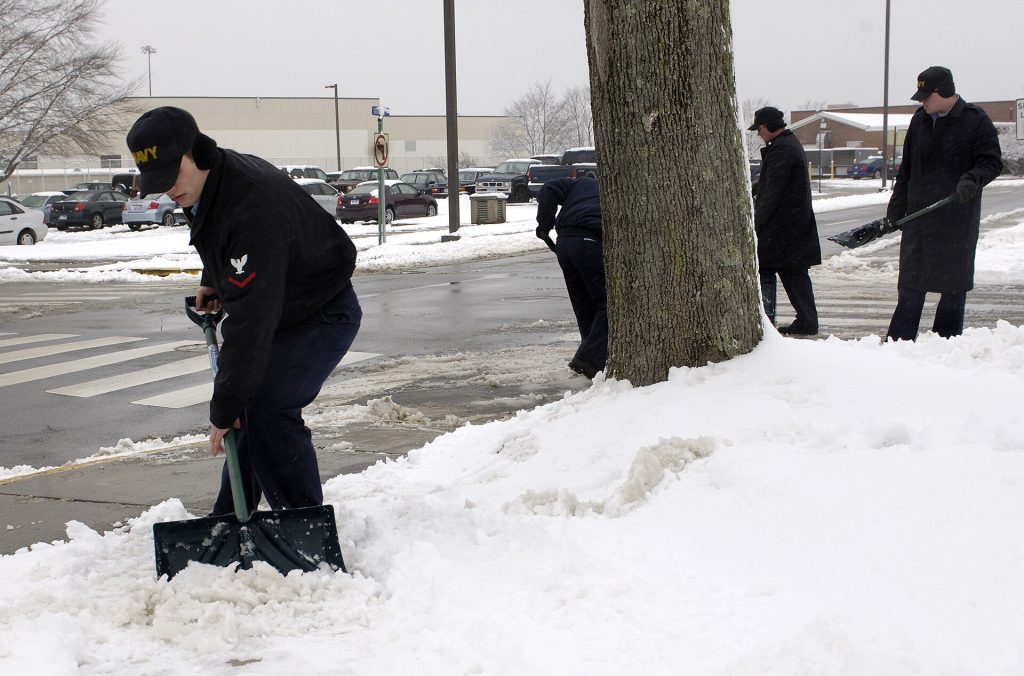
Winter slips are a guest safety issue and a staff safety issue at once. OSHA’s winter weather guidance tells employers to clear snow and ice from walking surfaces and spread deicer as quickly as possible after a storm, and says workers should wear proper footwear where walking on snow or ice can’t be avoided.
Walkway and entrance checklist
- ☐ Confirm who clears the sidewalk, parking lot and back door: your team, the landlord or a contractor. Get it in writing.
- ☐ Stock ice melt and shovels before the first storm, when stores still have them.
- ☐ Put absorbent mats at the entrance and a wet-floor sign by the door.
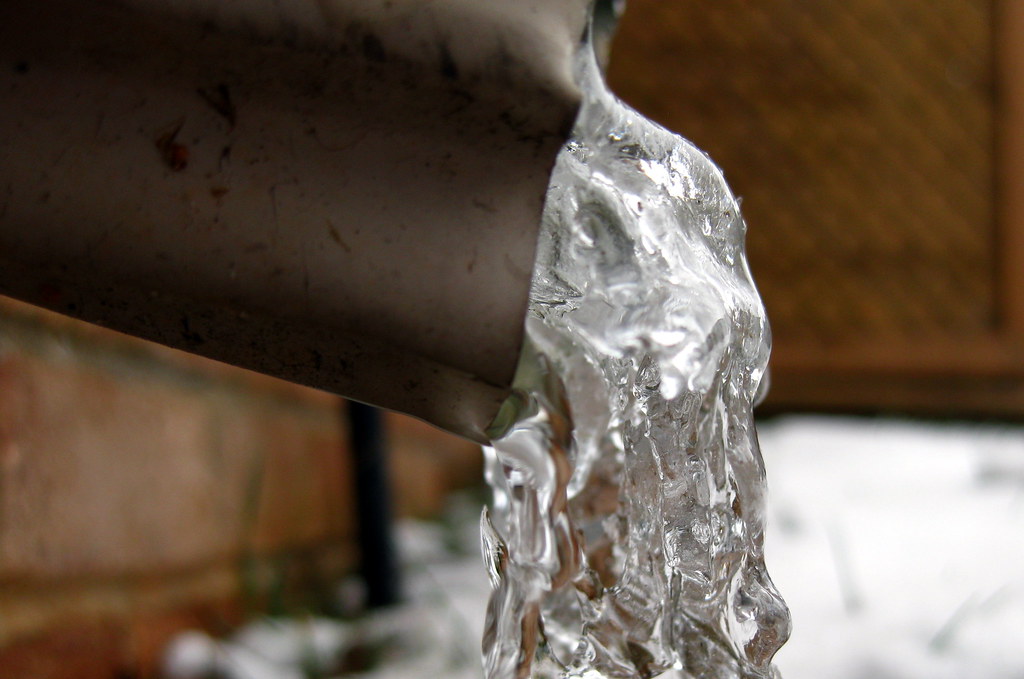
- ☐ Check gutters and downspouts so meltwater doesn’t drain across the path and refreeze overnight.
- ☐ Add salting the back steps to the opening and closing checklists.
- ☐ Remind staff to wear slip-resistant shoes, especially on deliveries and trash runs.
Shoveling and snow equipment
OSHA notes that shoveling can be strenuous, particularly in the cold. Staff should warm up first, lift with the legs and take frequent breaks in a warm area. If you use a snow blower, never clear a jam by hand: turn it off, wait for all moving parts to stop and use a stick.
If anyone will clear snow from a roof, OSHA requires fall protection and training for work at heights. For most restaurants, that job belongs to a contractor.
Shutting down the patio
A patio that is simply abandoned in November can cost you furniture, heaters and umbrellas by March.
- ☐ Clean, dry and store cushions, umbrellas and fabric indoors.
- ☐ Stack or cover furniture and anchor anything that could blow away.
- ☐ Drain planters, fountains and irrigation lines so they don’t crack.
- ☐ If you keep patio heaters running for winter service, follow the manufacturer’s instructions for placement, fuel storage and clearance.
- ☐ Check what your permit or lease says about winter structures before you put up tents or enclosures.
If you plan a heated winter patio, ask your insurer whether the policy covers it before the first booking.
Staffing for storm days
Storm days are chaotic when nobody has decided anything in advance. OSHA’s preparedness guidance asks employers to plan for winter hazards, train workers on them, keep a reliable way to communicate and monitor conditions through sources such as NOAA Weather Radio.
Storm-day checklist
- ☐ Name the person who decides to open late, close early or close for the day, and the deadline for that call.
- ☐ Set up a group message or scheduling-app alert to reach every employee at once.
- ☐ Write down how shifts cancelled for weather are handled on pay, and share it before the season starts.
- ☐ Keep an on-call list of staff who live close enough to walk in.
- ☐ Plan a reduced storm menu that a skeleton crew can run.
- ☐ Give staff who work outside a warm place to take breaks and warm, non-alcoholic drinks, as OSHA suggests.
Winter menu and purchasing
Winter changes both what guests order and what your suppliers can deliver.
- ☐ Swap salads and chilled plates for braises, soups and roasts that use cheaper cuts and hold well.
- ☐ Add hot drinks, from mulled cider to hot chocolate, which carry good margins on cold nights.
- ☐ Confirm your suppliers’ holiday and storm delivery schedules, and raise pars on shelf-stable staples before forecast storms.
- ☐ Plan a holiday party and gift card push for December, then a January promotion for the slow weeks.
Seasonal menus are also a chance to reset food costs. Our guide to menu engineering can help you price the new dishes.
FAQ
When should a restaurant start winter preparation?
October is ideal. You want HVAC contractors booked, pipes insulated and ice melt stocked before the first freeze, not after it.
What temperature should I leave the heat at when closed?
The Red Cross advises no lower than 55°F when a building will be left in cold weather. Set it higher if pipes run along exterior walls.
Who is responsible for clearing snow outside a restaurant?
It depends on your lease and your local ordinances. Check both, agree with the landlord who does what, and put the answer in writing.
How can I cut winter heating costs?
Service the system, change filters monthly, use a programmable thermostat and turn off exhaust hoods when appliances are idle, as ENERGY STAR recommends.
Put the checklist on the calendar
Print this checklist, assign each section to a named person and put a completion date on it, ideally before the first forecast frost. Then add a monthly walk-through to the manager schedule through March. For more operating guides, browse our restaurant business section, read up on restaurant maintenance schedules, or compare notes with other local operators through our restaurant directory.
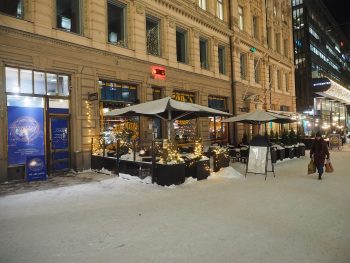
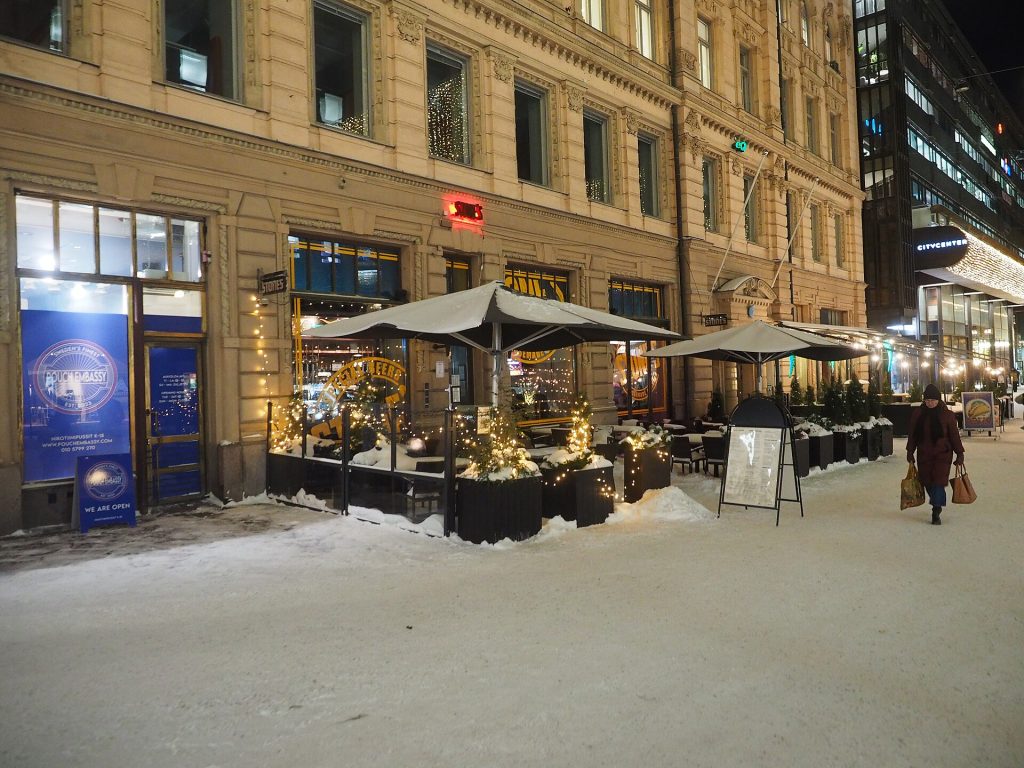
Featured photo: Stone’s on snowy Keskuskatu in January 2024 by JIP, BY-SA 4.0.