Restaurant loyalty programs come in three main shapes. Points programs reward every dollar with a simple earn-and-burn loop. Tiered programs add status levels that reward your best regulars more. Subscriptions charge a monthly fee for a recurring perk. Points suit most concepts, tiers suit high-frequency brands with a devoted core, and subscriptions suit a single item people buy almost daily, usually coffee or drinks.
The right choice depends less on what the big chains do and more on how often your guests visit, what your margins can absorb and whether you will own the customer data the program collects.
Here is how the three models compare on cost, complexity and fit, with examples from chains that publish their program rules.
Key takeaways
- In a 2024 National Restaurant Association report, 52% of consumers said they already belong to a restaurant loyalty program.
- Points programs are the simplest to launch and explain; tiers add motivation but also complexity.
- Subscriptions trade a discount for predictable revenue, and even big brands have had to add limits.
- Whatever the model, owning the guest data through your own app or POS matters more than the reward itself.
- Match the program to visit frequency: daily-habit items suit subscriptions, occasional dining suits points.
Why loyalty is now table stakes
Guests already expect a program. The National Restaurant Association’s Restaurant Technology Landscape Report 2024 found that 52% of consumers participate in loyalty programs at restaurants, coffee shops, snack places or delis, and that members sign up for 3.6 programs on average. Among guests not yet enrolled, 81% said they would join if their favourite restaurant offered one.
Operators are responding. The same report found that 61% of limited-service operators and 52% of full-service operators planned to invest more in loyalty in 2024. How guests want to join varies by age: 60% of current members prefer a smartphone app, while 51% of Baby Boomers prefer a physical card.
A loyalty program is not a discount scheme. It is a way to learn who your regulars are and give them a reason to come back sooner.
Points, tiers and subscriptions side by side
The table sums up the trade-offs. Costs here are qualitative, since your real cost depends on reward value, technology fees and how many rewards are actually redeemed.
| Points | Tiers | Subscription | |
|---|---|---|---|
| How it works | Earn points per dollar or visit, redeem for rewards | Earn status by spending; higher tiers earn faster or add perks | Pay a fixed fee for a recurring benefit |
| Guest appeal | Easy to understand | Status and recognition | Clear everyday value |
| Launch complexity | Low | Medium to high | Medium; needs billing and usage limits |
| Reward cost | Predictable, set by earn rate | Rises as guests climb tiers | Fixed discount per use, offset by fee |
| Revenue effect | Nudges extra visits | Keeps top guests engaged | Upfront recurring revenue |
| Main risk | Points feel stingy or pile up unredeemed | Tiers too hard to reach | Heavy users and account sharing |
| Best fit | Most concepts | High-frequency brands with a big core | One item bought almost daily |
The National Restaurant Association’s roundup of loyalty innovations also lists gamified programs and omnichannel programs that link app, web and in-store ordering. Treat those as features you can layer on top of any of the three models rather than a separate choice.
Points programs
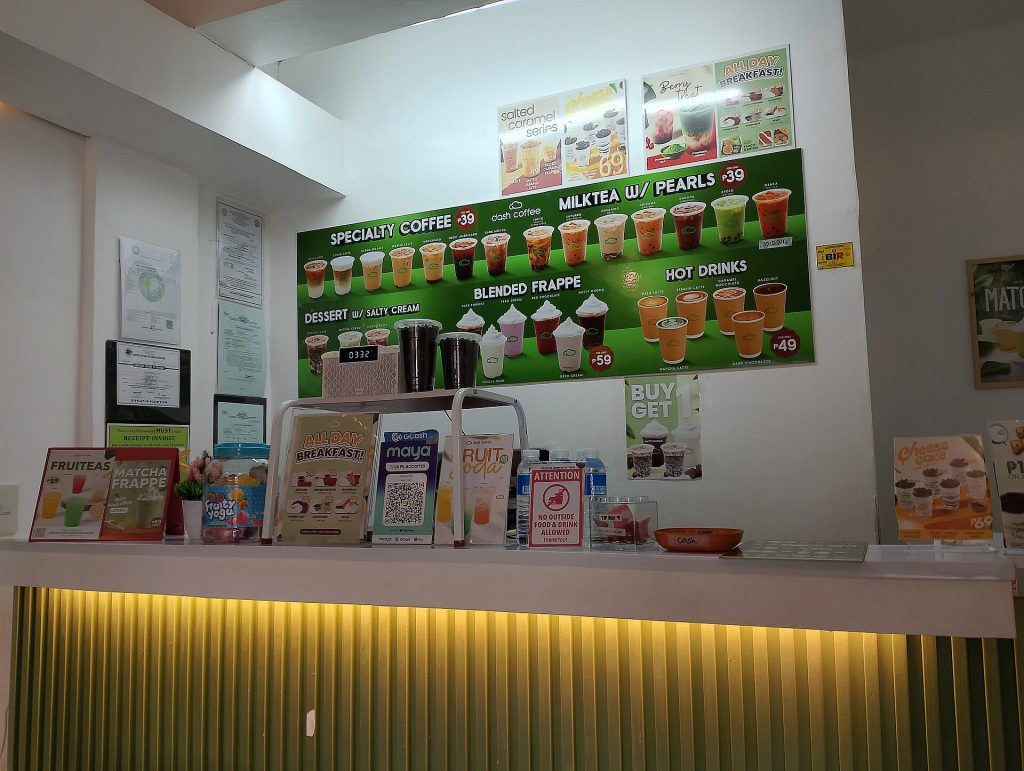
Points are the default for good reason. A guest spends, earns points, and trades them for food or drinks. The NRA cites Dunkin’, Starbucks and Domino’s as examples of points-based programs.
Where points work
- Quick-service and fast-casual concepts with visits every week or two.
- Independent restaurants that want a program their POS already supports.
- Menus with cheap-to-give rewards, such as a drink, side or dessert with a healthy margin.
Watch-outs
Set the earn rate so a regular reaches a first reward within a few visits. If the first reward feels out of reach, sign-ups stall. Pick rewards that cost you little but feel generous to guests, and review redemption each quarter.
Tiered programs
Tiered programs rank members by spend and reward the top levels more. Chick-fil-A One is a clear example: members start at the base level, reach Silver at 1,000 points, Red at 4,000 and Signature at 10,000. Earning rises with status, from 10 points per dollar at the base level to 13 points per dollar for Signature members.
Tiers give your best guests a goal and a sense of recognition, which is why they work for brands with a large, very loyal core. They are harder for a small operator. Every tier adds rules to explain, benefits to fund and staff training.
Making tiers work at a smaller scale
- Keep it to two or three levels.
- Use experiences, not just discounts, at the top: a chef’s table seat, first booking for a special menu, a tasting before launch.
- Reset status once a year so guests have a reason to keep visiting.
Subscriptions
Subscriptions charge guests a fee for repeat access to a benefit. Panera’s Unlimited Sip Club is the best-known restaurant example. It launched in 2022 at $10.99 a month, and in July 2026, Nation’s Restaurant News reported, Panera said it would cap members at 30 self-service drinks a month from August, keeping the price at $14.99 a month or $119.99 a year. The report tied the change to an industry trend of tightening account management to prevent sharing and abuse.
That is the lesson for any operator. A subscription is attractive when the perk is cheap to deliver, such as drip coffee or fountain drinks, and when it brings guests in often enough to buy something else. Without limits, your heaviest users set your costs.
Before you launch a subscription
- Cost the perk at maximum use, not average use.
- Set usage rules up front, such as one drink every few hours, so you don’t have to take benefits away later.
- Make cancelling easy and check your state’s automatic renewal rules with a lawyer before you take payments.
- Track attach rate: how often a subscriber buys food alongside the perk.
Who owns the data
The reward is the visible part. The guest data is the lasting value: names, visit frequency, favourite items and the channel they order from. That is what lets you send a birthday offer, win back a lapsed regular or test a new dish on the people most likely to love it.
- Run the program through your own app, website or POS wherever possible, so the guest record is yours.
- Check the contract with any loyalty vendor or delivery platform for who owns the data and whether you can export it.
- Collect only what you use, and tell guests plainly how you will contact them.
- Connect loyalty to marketing, so a lapsed-guest email goes out automatically.
If you are building your guest list from scratch, read our guides on restaurant email marketing and keeping regulars coming back. More operator advice lives in our restaurant business section.
FAQ
Which loyalty program type is best for a small restaurant?
Usually a simple points or visit-based program run through your existing POS. It is cheap to launch, easy to explain and collects guest data from day one.
How many customers actually join loyalty programs?
In the National Restaurant Association’s 2024 technology report, 52% of consumers said they already participate in restaurant loyalty programs, and 81% of those not enrolled said they would join at a favourite restaurant.
Are restaurant subscriptions worth it?
They can be, for a low-cost item bought almost daily. Cost the perk at heavy use and set limits from the start.
Should I use an app or a card?
Offer an app if you can, since most current members prefer one, but consider a card or phone-number sign-up for older guests, many of whom prefer physical cards.
Pick one model and measure it
Pull last quarter’s sales and look at how often your regulars really visit. If it is weekly or more, test points or a simple tier. If one item drives daily trips, cost a capped subscription. Launch one model, measure repeat visits for 90 days and adjust. For inspiration from other operators, browse the restaurant directory.
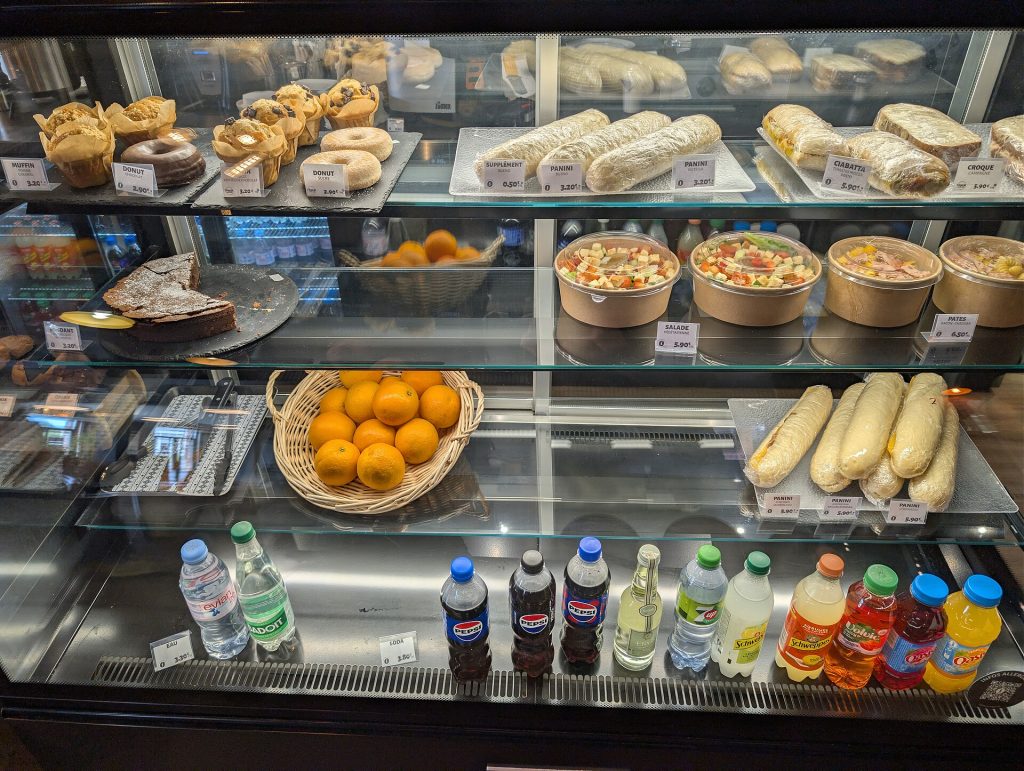
Featured photo: Food display case at the counter of French Coffee Shop, Dieppe 2026-05-11 by Andy Li, CC0.