A holiday dinner is a single meal, but it rarely costs like one. Groceries, drinks, extra serving dishes, travel and last-minute takeout all land in the same few weeks, and most of it goes on a card. The full cost doesn't really sink in until January, long after the plates have been cleared.
The answer isn't to cook a smaller feast. It's to plan the money with the same care you give the menu. A dinner planned six weeks ahead costs less than one thrown together three days before, and it's far easier to enjoy when you aren't adding up receipts in your head at the table.
Start With a Budget, Not a Menu
Most people plan a holiday meal backwards. They choose the dishes, write a shopping list and only find out what it all costs at the checkout. Reversing that order makes a big difference.
Set a spending limit first
Decide how much the whole dinner can cost before you pick a single recipe. Include everything: food, drinks, foil trays, a new roasting pan, even the extra bag of ice. Then divide that total by the number of guests to get a budget per plate. With ten guests and a $250 limit, you have $25 a person. That one number will settle more menu debates than any family vote.
Check how food prices are moving
Food prices don't all rise at the same pace. Eggs might jump while poultry stays flat, and dishes that were cheap a couple of years ago may not be anymore. The USDA Economic Research Service food price outlook shows which categories are climbing fastest and is updated throughout the year. A quick look before you plan tells you where to spend and where to cut back.
Build the Menu Around What's Affordable Now
Once you know your budget per plate, planning the menu becomes much simpler. Let the season and the weekly store flyers guide some of your choices.
Choose one main dish
A holiday table doesn't need three different meats. Pick one main and spend a bit more on it, then round out the meal with side dishes that cost little but feel generous. Potatoes, squash, carrots, cabbage, rice and beans are all inexpensive in late autumn and winter. Roasted with butter and fresh herbs, they look and taste like a feast.
Buy the main early
Turkeys, hams and roasts often go on sale weeks before the holiday as stores compete for shoppers. Buy yours then and freeze it. A frozen turkey needs about one day in the fridge for every four to five pounds to thaw, so put a reminder on your calendar the day you buy it.
Drop the dishes nobody eats
Most families have at least one: a side dish made out of habit that sits half-eaten until it's thrown away. Ask your guests which dishes they'd genuinely miss. You might cut two from the menu, and chances are no one will notice.
Spread the Cost Over Several Weeks
With the menu settled, the next step is timing. Buying a $250 dinner in one trip stings. Buying the same dinner over six weeks barely shows up in your monthly spending.
Stock up on pantry staples now
Flour, sugar, broth, canned pumpkin, spices, oil and frozen vegetables all keep for months. Add one or two to your regular grocery run starting in mid-October. By the final week, your list will be short and mostly limited to fresh produce, dairy and bread.
Ask guests to contribute
Potluck dinners aren't a shortcut. They're how many families have always celebrated. Assign specific dishes rather than leaving it open, or you may end up with four pies and no salad. Most guests are happy to bring wine or dessert when they know exactly what's expected.
Keep track as you go
Write down every holiday purchase as you make it, including the small ones. A simple note on your phone works fine. Little purchases add up quickly, and watching the total grow keeps you far more disciplined than a vague feeling that you're probably on track.
How Good Financial Advice Helps
All of these steps work better as part of a bigger plan. A holiday dinner isn't really a separate expense. It competes with rent, loan payments, gifts and any savings goals you set at the start of the year. This is where good financial advice proves its value.
A good advisor, or simply a solid planning habit, helps you see the season as a whole instead of one purchase at a time. It also prompts the questions people tend to avoid in December. How much can you spend on the holidays without dipping into your emergency fund? Should the dinner come out of this month's paycheck or from money you've been setting aside since summer? If you already carry a credit card balance, what will a $300 grocery trip really cost once interest is added? Answering these questions in October lets you make calm decisions instead of rushed ones at the register.
Getting advice doesn't have to mean paying for an expensive appointment. An AI financial planner can review your income, regular bills and past spending, then show you how much room your budget really has for the holidays. It can compare spreading costs over two months instead of one, or point out that last December's spending kept a balance higher for the rest of the winter. That kind of insight is hard to get from a bank statement alone, because statements show what you've already spent, not what's ahead.
The benefits go well beyond a single meal. People who plan for seasonal expenses in advance tend to rely less on credit and are less likely to dip into their savings. Starting the new year without holiday debt also makes January feel a lot lighter. The Consumer Financial Protection Bureau's consumer tools offer free guides on budgeting and managing credit, which work well alongside any plan, whether you build it yourself or with help.
Waste Less to Spend Less
A budget can unravel after the meal just as easily as before it. Leftovers are part of what you paid for, and throwing them away means spending money on food you never ate, then spending more to replace it later in the week.
Plan meals for the leftovers
Before the holiday, decide what your leftovers will become. Turkey can go into soup or sandwiches, roasted vegetables can become a hash or frittata, and the bones can be simmered into stock. When the next couple of dinners are already planned, you'll need fewer trips to the store in the days that follow.
Store food safely and promptly
Food left out on the table all evening often ends up in the trash. The USDA Food Safety and Inspection Service recommends refrigerating leftovers within two hours and eating them within three to four days. Anything you won't finish in that time should go straight into the freezer, labeled and dated.
Send guests home with extras
Pick up a stack of inexpensive takeout containers before the big day. Your guests leave happy, your fridge doesn't overflow, and far less food goes to waste.
Bringing It All Together
A generous holiday table and a sensible budget can go hand in hand. The difference comes down to timing and attention. Set your budget before you plan the menu, let the season guide what you buy, spread your shopping across several weeks, and treat the meal as part of your overall finances rather than a one-off splurge. Do that, and the bills that arrive in January won't come as a surprise. The meal will be remembered for the people around the table, not for what it cost.
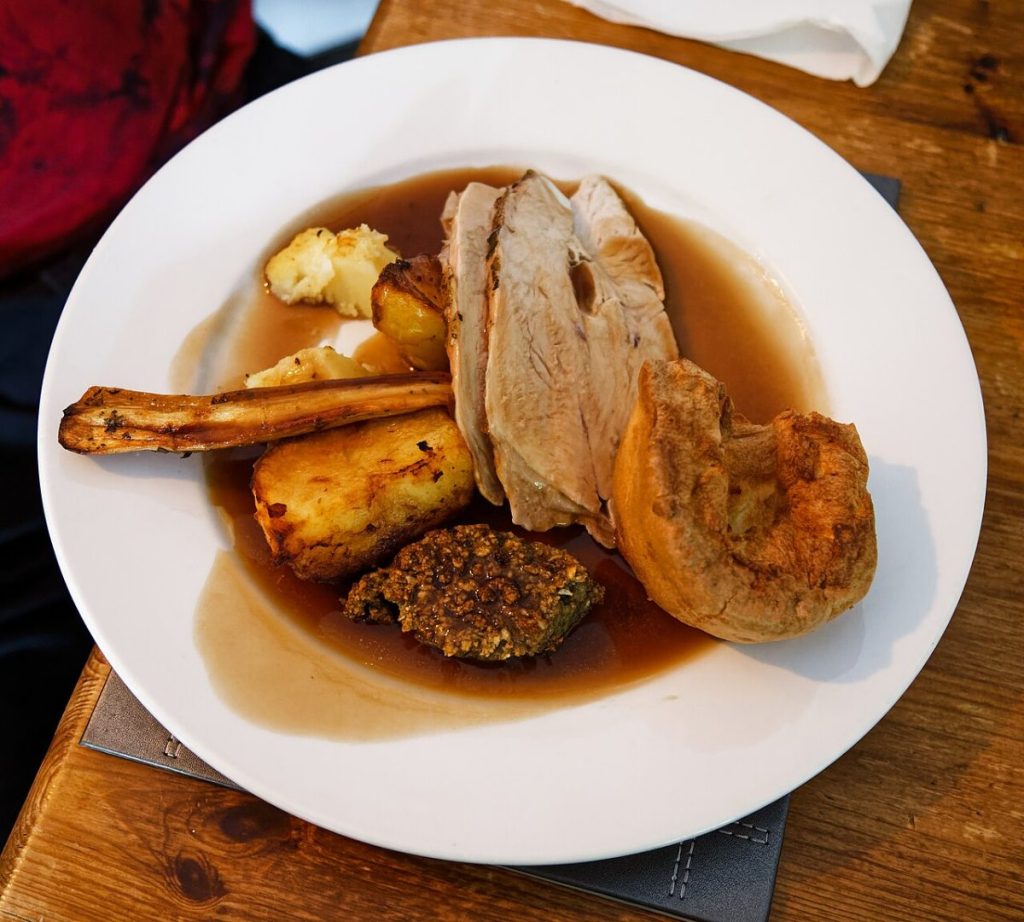
Photo: Acabashi, via Wikimedia Commons (CC BY-SA 4.0).