A good holiday buffet setup in a small apartment comes down to three decisions: put the food where guests can move past it in one direction, keep the drinks somewhere else, and serve in small batches so nothing sits out too long. Get those right and 14 people can eat comfortably in a space built for four.
Food safety is the part people forget once the doorbell starts ringing. U.S. food safety agencies advise keeping hot food at 140°F (60°C) or above, cold food at 40°F (4°C) or below, and throwing out perishables left at room temperature for more than two hours.
This walkthrough follows one hypothetical host through a real-world setup, step by step, from the floor plan to the last container of leftovers.
Key takeaways
- Run the buffet line in one direction, starting with plates and ending with cutlery and napkins.
- Put drinks on a separate station, ideally at the other end of the apartment, to split the crowd.
- Keep hot food at 140°F (60°C) or above and cold food at 40°F (4°C) or below.
- Discard perishables left at room temperature for more than two hours; serve small platters and swap them rather than topping them up.
- Refrigerate leftovers within two hours, in shallow containers, and use them within three to four days.
In this guide
- The scenario: 14 guests, one small apartment
- Step 1: map the traffic flow
- Step 2: use vertical space
- Step 3: plan hot and cold holding
- Step 4: set the serving order
- Step 5: move drinks away from the food
- Step 6: plan the cleanup before guests arrive
- FAQ
- Your holiday buffet setup checklist
The scenario: 14 guests, one small apartment
Say you are hosting Maya’s holiday party. She lives in a one-bedroom apartment with an open living and dining area, a galley kitchen, a small dining table, one sideboard and a coffee table. She has invited 14 people for a Saturday evening, from 6 until about 10.
The menu is typical of a holiday buffet: a baked ham, a tray of roasted vegetables, a pasta bake, a green salad, a cheese board, dips with crackers and a couple of desserts. There is not enough seating for everyone, and the kitchen can hold only one person at a time. Everything below is how she would make it work.
What she has to work with
- One dining table that seats four, which will become the buffet
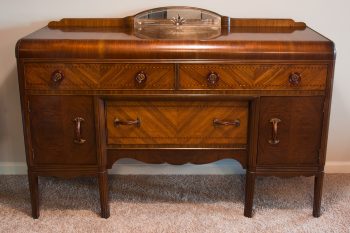
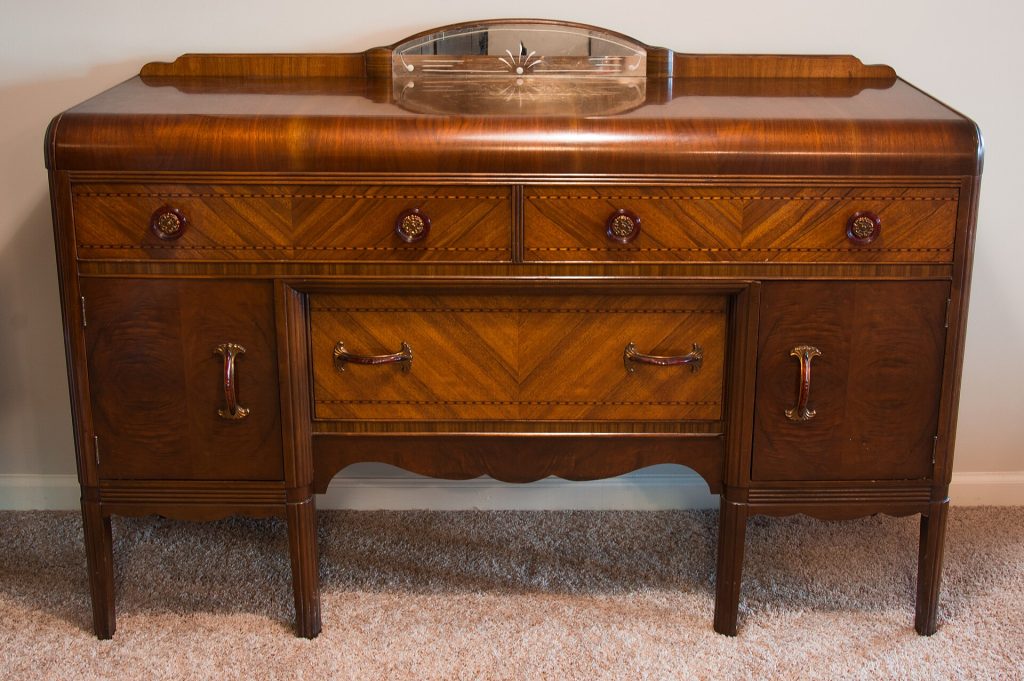
- A sideboard against the wall, which will become the drinks station
- A coffee table and a few side tables for resting plates
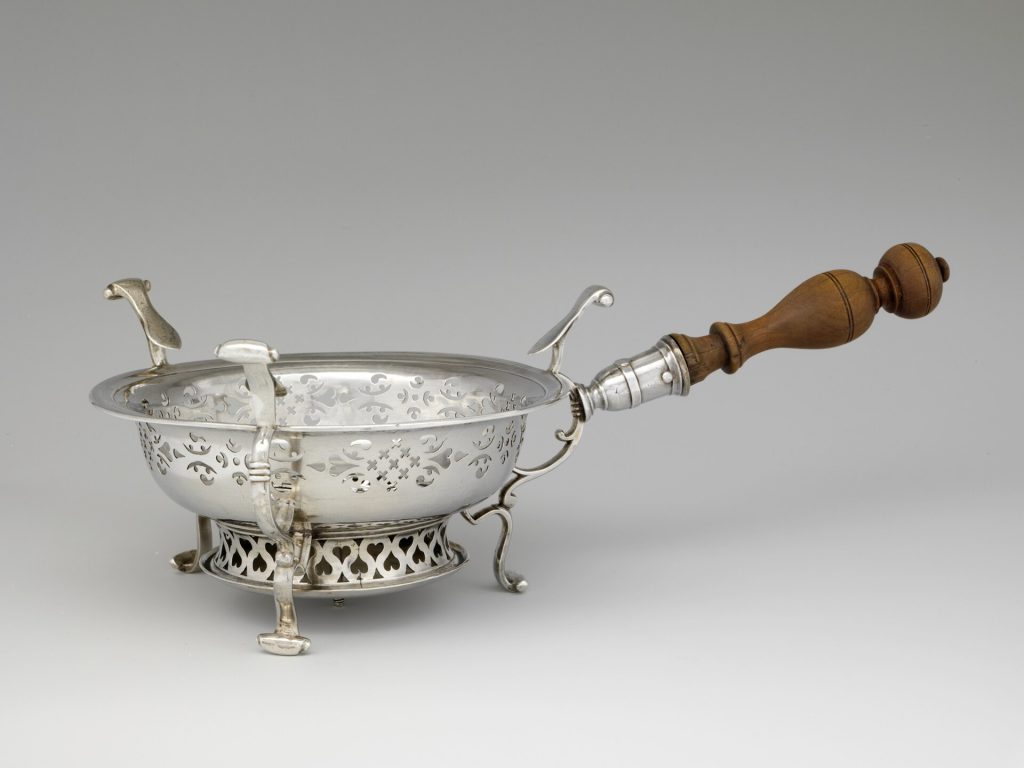
- One oven, a slow cooker and a borrowed chafing dish
- A refrigerator with limited space, and a balcony she will not use for food
Step 1: map the traffic flow
The biggest problem in a small space is not the amount of food but the queue. If guests approach the table from both sides, they collide. Maya pushes the dining table against one wall so it can be approached from only one long side, and sets the line to run from the kitchen end towards the living room.
- Clear a path at least as wide as two people passing along the buffet side of the table.
- Start the line at the end nearest the front door, so arriving guests can join without crossing the room.
- End the line pointing towards the seating, so guests move away from the table as soon as their plate is full.
- Keep coats, bags and the gift pile in the bedroom, well out of the line.
She also removes one or two chairs from the dining area. Fewer chairs by the table means guests carry plates to the sofa and side tables rather than eating over the food and blocking it.
In a small apartment, the buffet table is not a place to eat. It is a corridor, and it should move people in one direction.
Step 2: use vertical space
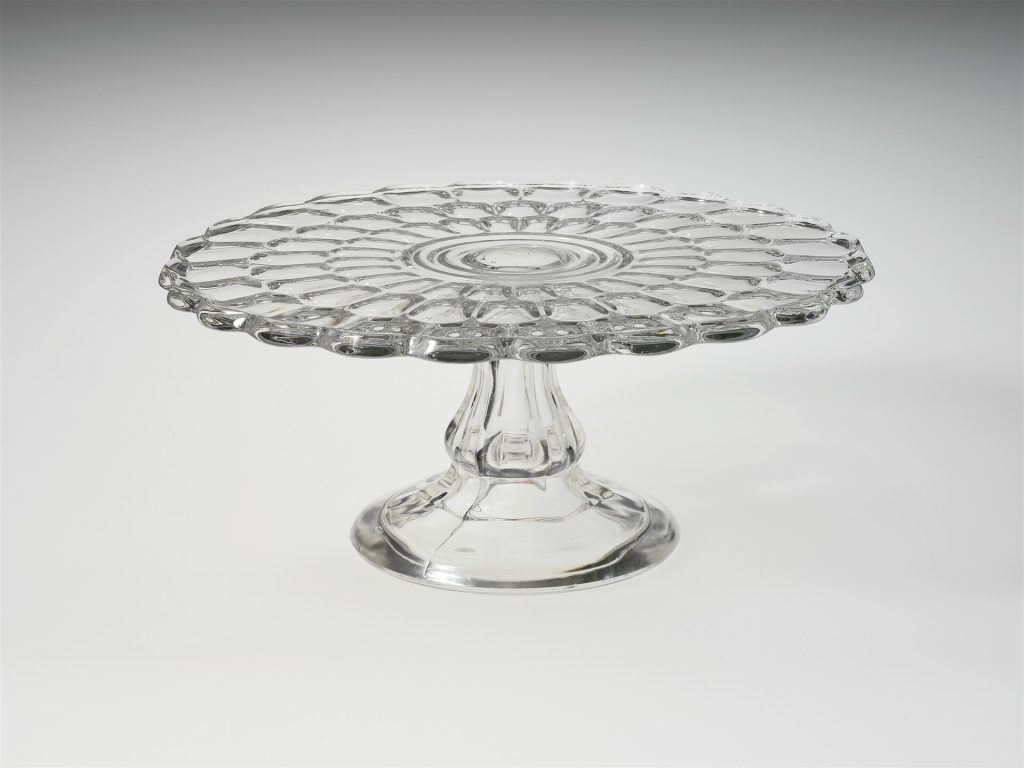
With only one table, Maya has to build upward. Tiered cake stands, sturdy boxes under a tablecloth and a two-level serving rack let her fit more dishes into the same footprint and make the back of the table visible.
- Put tall, stable items such as a stand of desserts or a bread basket at the back.
- Keep heavy or hot dishes low and at the front, where they are easiest to serve from safely.
- Use wall-mounted shelves or a bookcase for napkins, spare plates and cutlery refills.
- Stack clean plates at the start of the line, rather than spreading them across the table.
Step 3: plan hot and cold holding
This is the step that matters most for guests’ health. The USDA explains that bacteria multiply fastest between 40°F and 140°F (4°C and 60°C), and that foods should not sit at room temperature for more than two hours. The FDA adds that the limit drops to one hour when the room is above 90°F (32°C), which is unlikely indoors in winter but worth knowing for a crowded, overheated flat.
| Food | Target | How Maya holds it |
|---|---|---|
| Ham, pasta bake, roasted vegetables | 140°F (60°C) or above | Chafing dish and slow cooker on the table; backups in a 200–250°F (93–121°C) oven |
| Cheese board, dips, salad | 40°F (4°C) or below | Small platters nested in bowls of ice; backups in the refrigerator |
| Crackers, bread, most desserts | Room temperature | Out for the whole evening |
| Anything perishable left out | 2 hours maximum | Discarded, not topped up |
The FDA recommends serving small portions and preparing several platters ahead, then replacing dishes with fresh ones throughout the party instead of adding fresh food to half-empty ones. Maya writes the time on a sticky note under each platter when it goes out, so she knows when two hours are up.
Checking temperatures
The FDA advises checking that chafing dishes, slow cookers and warming trays can actually hold food at 140°F, and using a food thermometer to confirm it. Utah State University Extension notes that dense dishes containing meat, dairy, potatoes, corn or squash need particular care because they heat unevenly.
Step 4: set the serving order
Once the layout and holding are settled, the order along the table decides how fast the line moves. Maya arranges it the way guests build a plate.
- Plates at the very start of the line.
- Salad and cold sides, which are light and fill the plate edge.
- Hot sides: roasted vegetables and the pasta bake.
- The ham, carved in advance so no one stops to slice it.
- Bread, butter and sauces.
- Cutlery and napkins at the end, so guests are not juggling them while serving.
Desserts go out later, on the same table after the main platters are cleared, which saves space and gives the evening a second moment. The cheese board and dips sit on the coffee table from the start as a separate grazing spot, which keeps early arrivals away from the main buffet.
Step 5: move drinks away from the food
Drinks create the second queue. Maya puts them on the sideboard at the opposite end of the room from the buffet, so the crowd splits naturally and people refilling a glass do not block people filling a plate.
- Set out glasses, a bottle opener, a jug of water and a non-alcoholic option.
- Keep extra ice in a cooler under the sideboard rather than in the crowded freezer.
- Put a small bin or tray nearby for empty bottles and cans.
- If you serve a punch or eggnog made with raw eggs, the FDA advises heating the mixture to 160°F (71°C) or using pasteurised eggs.
For more ideas, browse our lifestyle features and read our guide to hostess gifts if you are on the other side of the door this season.
Step 6: plan the cleanup before guests arrive
In a galley kitchen, dirty dishes pile up fast. Maya empties the dishwasher and the sink before anyone arrives, lines the bin with a fresh bag and keeps a second bag ready. A tray by the kitchen doorway gives guests a place to drop used plates without walking into the kitchen.
Leftovers
The two-hour clock applies to leftovers too. The USDA Food Safety and Inspection Service says leftovers should be refrigerated within two hours, divided into shallow containers so they cool quickly, and eaten within three to four days, or frozen. Large items such as the ham should be cut into smaller pieces before chilling. When reheating, bring leftovers to 165°F (74°C).
Maya sets out shallow containers and labels before the party starts, so packing up takes ten minutes rather than an hour.
FAQ
How long can food sit out at a holiday buffet?
No more than two hours at room temperature for perishable food, or one hour if the room is above 90°F (32°C). After that, discard it.
How do I keep buffet food hot without an extra oven?
Use chafing dishes, slow cookers or warming trays that hold food at 140°F (60°C) or above, and check them with a food thermometer.
Where should drinks go at a small party?
On a separate station away from the food, ideally at the other end of the room, so guests do not queue for both in the same place.
Should I top up platters as they empty?
No. Replace them with fresh platters instead of adding new food to dishes that have been out on the table.
Your holiday buffet setup checklist
Before your own party, walk through the apartment as a guest would, from the front door to the plates to the sofa, and move anything that blocks that path. Then run through this list the day before:
- Table against a wall, one-way line from plates to napkins
- Risers or cake stands for height
- Chafing dish or slow cooker tested, food thermometer ready
- Bowls of ice and small backup platters in the refrigerator
- Drinks station at the far end of the room
- Timer or sticky notes for the two-hour rule
- Empty dishwasher, spare bin bag and shallow containers for leftovers
For the menu itself, see our make-ahead holiday dishes.
Featured photo: Waterfall buffet table by Ɱ, BY-SA 4.0.