Creating an inviting and functional restaurant patio is fundamental for attracting customers and maximizing outdoor dining space. In recent years, outdoor dining has gained immense popularity, leading restaurant owners to invest in their patios to enhance the customer experience. An inviting patio offers aesthetic appeal and provides comfort, functionality, and the right ambiance. These elements play a significant role in ensuring that diners feel welcome and relaxed. This article explores the critical components that contribute to the success of restaurant patios.
Aesthetic Appeal
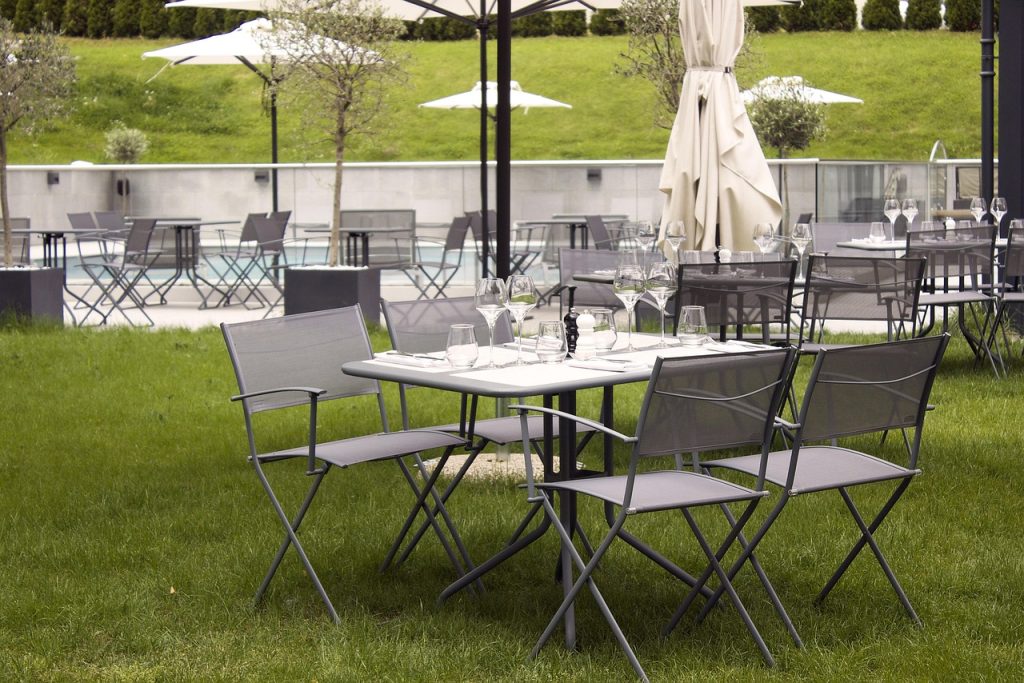
The first impression is vital when it comes to outdoor dining spaces. Aesthetic appeal greatly influences how consumers perceive a restaurant. Fresh flowers, colorful décor, and well-maintained furniture can transform a dull patio into a vibrant gathering spot. Restaurants can enhance their space through themed decorations that reflect their cuisine or brand identity. Ambient lighting, such as string lights or lanterns, creates a warm atmosphere during the evening hours, enticing diners to linger longer and enjoy their meals. Incorporating nature into the design is another strategy that enhances aesthetic value. Plants, trees, and wall gardens beautify the patio and provide shade and coolness on hot days. Water features like fountains can introduce a soothing sound that enhances the peaceful ambiance, inspiring diners to choose outdoor seating over indoor options. Thus, striking the right balance between elegance and comfort is vital in creating an appealing patio space.
Comfortable Seating Arrangements
Comfort plays an imperative role in the dining experience. Providing suitable seating options is crucial for a successful restaurant patio. Guests are likely to enjoy their meals more if they are seated comfortably. Various seating configurations, such as booths, banquettes, and traditional tables, can cater to different groups, whether it be families, couples, or solo diners.
Incorporating cushions or outdoor rugs can elevate comfort, offering a cozy feel that encourages patrons to relax. While the arrangement of tables and chairs should prioritize comfort, it should allow for smooth traffic flow. Adequate space between tables is necessary for both staff and diners to move freely without feeling cramped. Restaurant owners must consider accessibility for individuals with mobility challenges. Following design principles that support inclusivity will enhance the dining experience and broaden their potential customer base. An effectively designed outdoor space truly reflects the restaurant’s commitment to guest experience, promoting return visits.
Shade and Weather Protection
The unpredictability of weather conditions necessitates proper shade and weather protection on restaurant patios. Diners are more likely to enjoy their experience when protected from direct sunlight or sudden rain showers. Options such as awnings, umbrellas, or pergolas can provide ample shade during sunny days. These elements contribute to the patio’s design while ensuring guests are shielded from extreme temperatures. Well-designed commercial patio designs can offer seasonal flexibility, so the space remains functional throughout the year. During cooler months, portable heaters or fire pits can create warmth and comfort, encouraging patrons to enjoy the outdoors even as temperatures drop. This adaptability allows restaurants to maximize their outdoor space, creating an inviting atmosphere year-round. Investing in quality weather protection enhances customer satisfaction and increases the likelihood of additional revenue during off-peak seasons.

Accessibility and Traffic Flow
A well-planned patio layout should facilitate smooth traffic flow while accommodating diverse groups. Ensuring that diners can easily navigate the space is good for maintaining a pleasant dining experience. Wide pathways are important to prevent congestion, particularly during busy service hours. This becomes even more vital in urban settings where space is limited. Employing versatile seating arrangements can help in achieving this ideal traffic flow while still accommodating various group sizes and needs. Accessibility should remain a top priority. Designing paths and spaces that allow for wheelchair access promotes inclusivity, welcoming a broader range of patrons.
The use of non-slip surfaces is critical in preventing accidents, particularly during wet weather. Strategically placing dining areas away from high-traffic zones, such as entrances or kitchens, ensures dining comfort while minimizing any distractions. When accessibility and traffic flow are prioritized, the functionality of the patio improves, leading to higher levels of customer satisfaction.
By enhancing aesthetic appeal, ensuring comfort, providing weather protection, ensuring accessibility, and fostering a welcoming atmosphere, restaurant owners can create spaces that diners love. Outdoor dining has the potential to become a lucrative aspect of restaurant operations if carefully executed, keeping in mind that an inviting patio is more than just an attractive outdoor space. It’s a vital part of the dining journey.