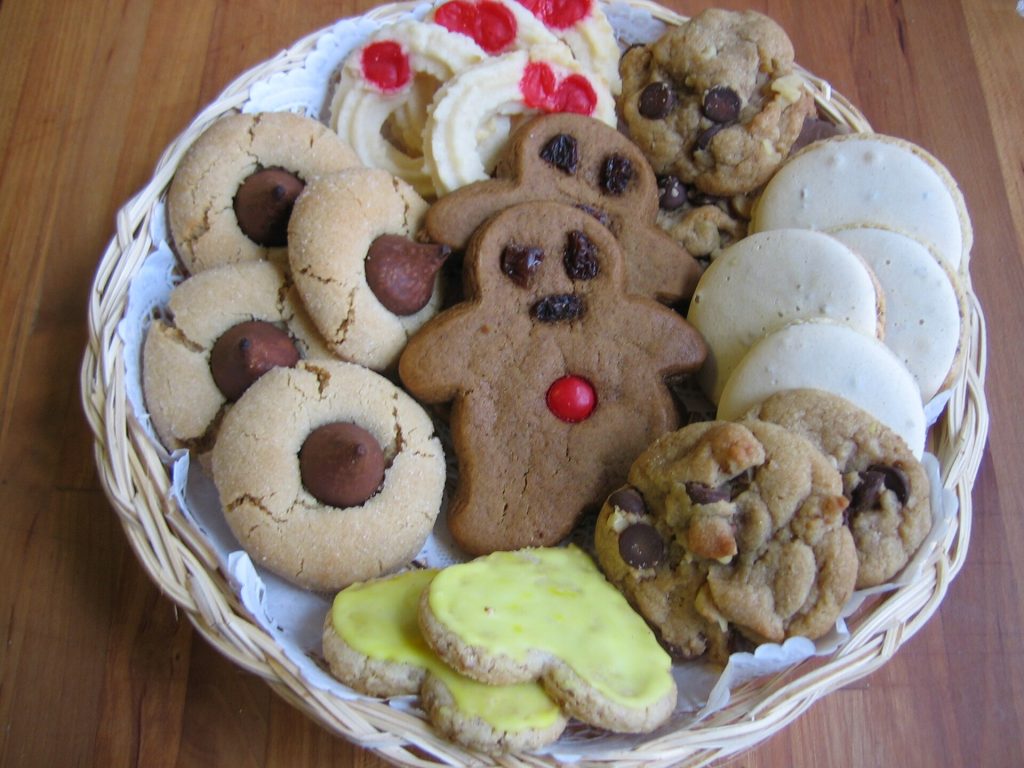
The best homemade food gifts are dry, sturdy and shelf-stable: biscotti, shortbread, brownies, fruitcake, spiced nuts, hard candy, and jams made from a tested recipe. Skip anything home-canned that is low in acid, never bake bread or cake in a sealed jar, and label every package with its ingredients and the date you made it.
That’s the short version. The longer one matters because a food gift spends days in a box, in a truck and on a doorstep before anyone opens it. The recipe you’d happily serve at your own table may not survive the trip.
Work through the checklist below, section by section, and your treats will arrive looking good and safe to eat.
Key takeaways
- Choose dense, dry baked goods and candies; the Academy of Nutrition and Dietetics names fruitcake and biscotti as good mailers.
- Low-acid foods need pressure canning at 240°F to 250°F, according to the National Center for Home Food Preservation.
- Breads and cakes baked in canning jars are not safe; bake in a pan and suggest the recipient freeze it.
- List ingredients and flag the nine major allergens the FDA recognises, including sesame.
- Ship perishables early in the week by overnight service, with a cold source and a Keep Refrigerated label.
Pick treats that travel
Start with the food itself. A gift that travels well is low in moisture, holds its shape and doesn’t need the fridge.
- ☐ Dense, dry bakes: biscotti, shortbread, brownies and fruitcake.
- ☐ Candies: hard candy, brittle and chocolates.
- ☐ Nuts and snacks: spiced or roasted nuts, granola and crackers.
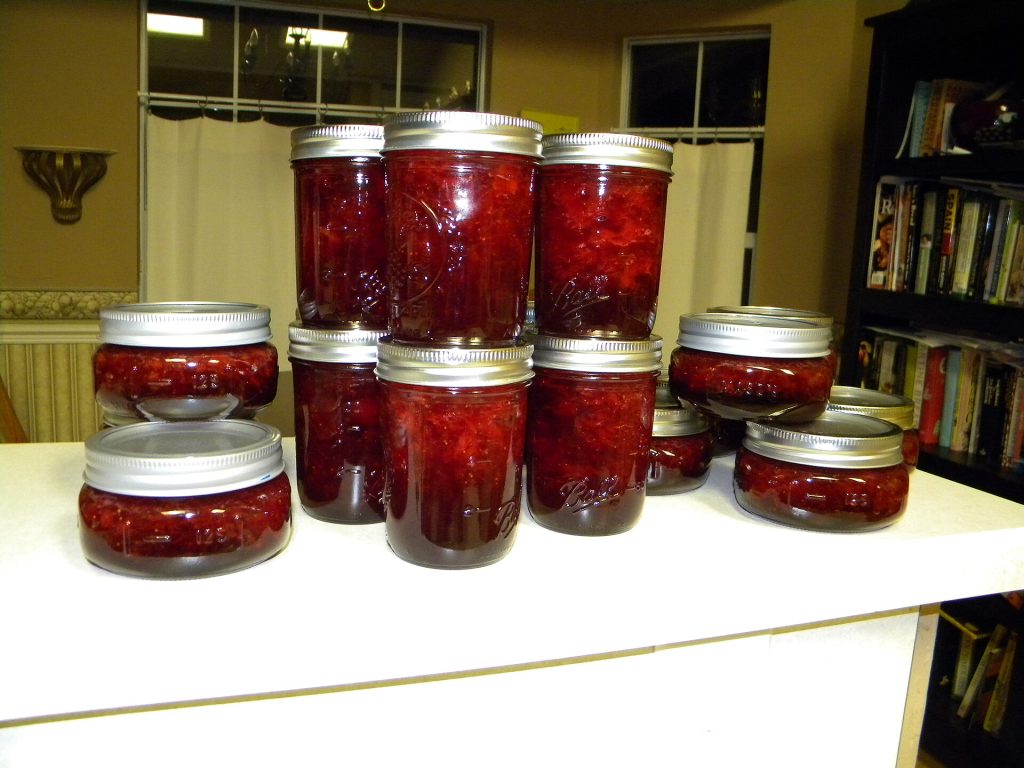
- ☐ Jars from tested recipes: jams, jellies, marmalades and pickles processed correctly.
- ☐ Dry mixes: soup mixes, hot chocolate mix or a spice blend with a recipe card.
The Academy of Nutrition and Dietetics points to dense, dry baked goods such as fruitcakes and biscotti as good choices for mailing, along with chocolates and hard candies. Clemson University’s Home & Garden Information Center adds hard salami, hard cheese, country ham, cookies and brownies to the list of foods that don’t need refrigeration.
| Gift | Travels well? | Notes |
|---|---|---|
| Biscotti and shortbread | Yes | Low moisture; pack tightly to stop breakage |
| Brownies | Yes | Wrap individually to keep them moist |
| Fruitcake | Yes | Dense and sturdy |
| Tested-recipe jam | Yes | Acid food; process correctly and cushion the jar |
| Cream-filled or cheesecake desserts | No | Need refrigeration |
| Bread or cake baked in a jar | No | Botulism and broken-glass risk |
| Home-canned low-acid vegetables | Only if pressure canned | Boiling water is not enough |
Know the food-safety limits
This is the section that matters most. The National Center for Home Food Preservation explains the split between acid and low-acid foods. Acid foods, with a pH of 4.6 or lower, include fruits, pickles, sauerkraut, jams, jellies, marmalades and fruit butters, and they can be processed in boiling water. Low-acid foods, with a pH above 4.6, include red meats, seafood, poultry, milk and all fresh vegetables except most tomatoes.
Low-acid foods need to reach 240°F to 250°F, which only a pressure canner can do. The reason is Clostridium botulinum, which can grow in canned food and cause botulism, a deadly form of food poisoning.
- ☐ Use a tested recipe for every jar you give; don’t improvise acidity or processing times.
- ☐ Pressure can any low-acid food, or don’t give it as a shelf-stable gift at all.
- ☐ Don’t bake breads or cakes in canning jars and seal them.
- ☐ Tell the recipient if something needs refrigerating once opened.
Cakes in jars deserve a special warning. Clemson’s Home & Garden Information Center notes Penn State research showing that low-acid canned bread or cake products may support the growth of Clostridium spores, and that glass canning jars aren’t built for the dry heat of an oven. Its advice: bake in a regular pan and give it to someone who can eat it right away or freeze it.
If a recipe needs a pressure canner and you don’t have one, it isn’t a gift. It’s a risk with a bow on it.
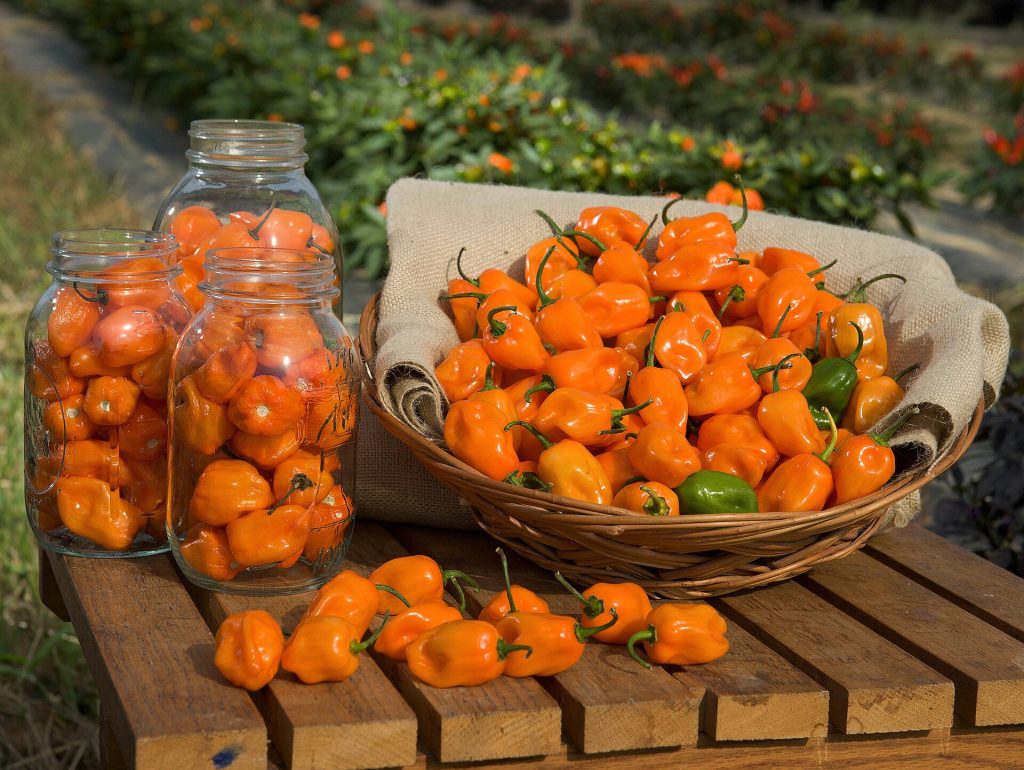
Pack it so it arrives whole
Good packaging does two jobs: it keeps food fresh and stops it turning to crumbs.
- ☐ Let bakes cool completely before wrapping, so condensation doesn’t soften them.
- ☐ Use airtight tins or containers, and wrap soft items individually.
- ☐ Pack cookies snugly in layers with parchment between them.
- ☐ Cushion glass jars with bubble wrap and keep them upright.
- ☐ Pack each type of treat separately so flavours and textures don’t mingle.
- ☐ Choose a sturdy outer box with padding on all sides.
For more ideas on what to bake, see our holiday baking recipes and the rest of our lifestyle features.
Label allergens and dates
A handwritten tag is charming. It also needs to be useful. Anyone with a food allergy will read it before tasting anything.
- ☐ The name of the treat and the date you made it.
- ☐ A full ingredient list.
- ☐ A clear allergen line, for example Contains: wheat, milk, eggs, tree nuts.
- ☐ Storage advice, such as keep in an airtight tin or refrigerate after opening.
- ☐ A may-contain note if your kitchen also handles nuts, sesame or other allergens.
The FDA lists nine major food allergens: milk, eggs, fish, crustacean shellfish, tree nuts, peanuts, wheat, soybeans and sesame. Sesame became the ninth on January 1, 2023, under the FASTER Act. Clemson’s mailing guidance also suggests including the creation date, the ingredients and storage and handling information with any food you send.
Ship it the smart way
Shelf-stable treats can go by regular post. Anything perishable needs more planning, and some rules are set by the carrier.
- ☐ Ship early in the week so the box doesn’t sit in a depot over the weekend.
- ☐ Use overnight delivery for anything perishable.
- ☐ Pack perishables with frozen gel packs or dry ice in a sturdy foam or corrugated box.
- ☐ Keep dry ice away from bare hands and out of direct contact with food.
- ☐ Label perishable boxes Perishable: Keep Refrigerated.
- ☐ Tell the recipient when it’s coming so someone is home.
Clemson’s guidance on mailing perishable foods says a perishable gift should arrive frozen or at least refrigerator-cold, and warns recipients not to eat food that arrives warm. Bacteria can multiply rapidly between 40°F and 140°F.
USPS rules on dry ice
USPS allows perishable food to be mailed at the sender’s own risk when it is packaged correctly. If you use dry ice, USPS Publication 52 caps it at 5 pounds per package for air transportation and prohibits dry ice to international and APO/FPO/DPO addresses. Packages with dry ice must also be packed in containers that let the carbon dioxide gas escape.
FAQ
What homemade food gifts last the longest?
Dry, dense items such as biscotti, fruitcake, hard candy and spiced nuts, plus correctly processed jams and pickles from tested recipes.
Are cakes in jars safe to give?
No. Extension experts warn that breads and cakes baked in canning jars may support the growth of Clostridium spores. Bake in a pan and suggest freezing instead.
Do I need to list allergens on a homemade gift?
It’s the considerate thing to do. List all ingredients and call out the FDA’s nine major allergens, including sesame.
Can I mail cookies internationally with dry ice?
Not through USPS, which prohibits dry ice to international addresses. Send shelf-stable cookies that don’t need a cold source.
Start with one batch
Choose one sturdy recipe this week, bake a test batch and leave a few pieces in a tin for three days to see how they hold up. If they pass, you have your gift list. Our best cookie recipes are a good place to find a candidate.
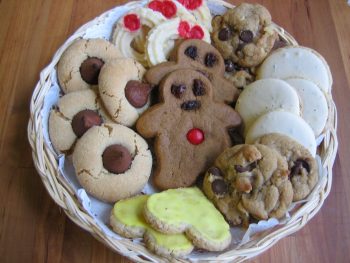
Featured photo: Christmas Cookies Plateful by Fagles, BY-SA 2.5.