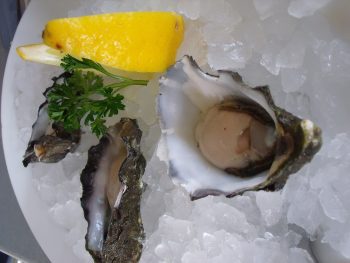
A plate leaves the kitchen looking perfect. Forty minutes later, the photo of it has eleven likes. That gap is where most restaurant accounts lose momentum. The food was never the problem. The photo, the timing, and the tags were.
Nine fixes below. Most cost nothing. One costs less than a cent per like, and only makes sense once the other eight are pulling their weight.
Three pillars behind every food photo that performs
Every account needs three kinds of shots. Most post only the first.
1. The dish, close and lit
One plate, filled by window light, shot from just above. No flash, no overhead lamp. The texture of a crust shows up when light comes from the side.
2. The room, wide and lived in
A dining room at seven in the evening with people in it tells a story a plated dish cannot. Stand in the doorway, hold still, let the blur happen.
3. The hands
A server setting down a bowl. A cook tearing bread. A guest reaching for the last piece. Hands do more work than any caption.
Post all three in one week, and the grid stops looking like a catalog.
4. Buy a small seed of likes, then watch how they arrive
Three shots a week lift a grid on their own. Some posts deserve a faster start than the platform gives them.
The first hour decides things. A post that lands flat gets buried. A post that moves fast gets pushed to more people. Early likes change which direction it goes.
For the shots you are proud of, a small seed of Instagram likes from SocialWick (real accounts, gradual delivery) carries a post through that first hour.
Eight cents buys ten likes. SocialWick has been running since 2017 and reports 1.6 million customers, with 1.9 billion likes delivered to date. Orders arrive over several hours. Checkout asks for an email and a payment method. That’s it. Support answers around the clock.
Four things to check before paying anywhere:
- Whether the seller asks for account access. A legitimate service never needs the password.
- Whether delivery is spread over time. Instant thousands look like what they are.
- Whether a refill or refund policy exists in writing. SocialWick offers a 90-day refill and a 30-day money-back window.
- Whether delivery starts within minutes of purchase or waits until morning. A service that begins the next day has missed the window.
Open a few profiles behind the likes. Real accounts carry a photo, a bio, and a posting history going back months. Blank avatars with no activity tell you where those likes came from.
Start small on one post. Watch how the likes arrive over the next two hours. That test tells more than any sales page.
The other eight items on this list cost nothing. Spend the effort there first.
Phone camera habits that separate a sharp plate from a blurry one
Phone cameras are good enough now. The problems are almost always the same two: light going the wrong direction, and the phone sitting too far from the plate.
5. Get the table by the window, not the nice one
Window light is the whole game with restaurant photos. Same plate, same phone, two different tables, two completely different results.
Here’s the part that trips people up. Direct sun looks great through the window and terrible on the plate. It eats the white edge of the dish. It pushes sauce toward orange. It splits the frame into a hot half and a dead half.
Move the table. Angle the plate into bounced light off a pale wall. That’s it. That’s the fix. North-facing rooms tend to be kindest. Mid-morning usually beats noon. Late afternoon usually beats lunch.
Still harsh? Back the table away from the window by a metre. The phone’s exposure slider won’t rescue a shot the table position already ruined.
6. Lock focus first. Then deal with brightness
Press and hold on the brightest part of the dish. You will see the focus box lock. Then the sun icon appears, and you slide it down.
Stop when the white areas stop turning into flat shapes. Most phone food photos are too bright, not too dark. A little shadow gives a crust its texture. A blown-out highlight gives you a white blob where a plate used to be.
7. Three things, in this order
Fill the frame. Two-thirds food, one-third everything else. People photograph too much table. Cutlery and napkins aren’t interesting; the food is.
Then drop the angle. Anything with height needs the phone at plate level. Burgers, pancake stacks, layer cakes, all of it flattens from above. Bring the lens down to the middle of the food and the shape comes back.
Then stop the shake. Elbow on the table. Phone braced against a glass. A free hand drifts a few millimetres, and up close that turns a crisp edge into mush.
Anything that moves, hold the shutter down. Steam off a bowl. Sauce being poured. A hand reaching across the table. Take twenty frames and sort them later. One will be sharp enough.
Lens first. Every time. A single fingerprint softens a shiny glaze into a grey smudge, and the phone screen hides it. You find out when the photo is on a laptop a week after posting.
None of it needs kit. Shoot this way for a month and the grid changes. You won’t be able to point at the day it happened.
Geotags beat hashtags almost every time
Hashtags feel like work. Most of the time they’re busywork.
City tags land a post in front of someone scrolling from a different continent. Neighborhood tags land it in front of someone three streets away, phone out, hungry, deciding right now. Same photo. Two audiences that share nothing.
8. Mix three tag types, then geotag the venue
Three tags. City, cuisine, neighborhood. That’s the whole system, and it beats thirty crammed into a caption.
Geotag the restaurant, not the city. The city tag is fine in theory. In practice, it competes with a hundred thousand other posts uploaded this week. The restaurant tag drops you into a smaller pool. People already on the block, phone out, looking for lunch.
Forty people within walking distance. That’s the number that matters. Four thousand views from another continent cannot show up on Friday. The forty can.
Four thousand views from another continent is a nice number. It pays for nothing.
Timing and captions: the part most accounts rush
Two decisions happen before a post goes live. Both tend to get thirty seconds of thought.
9. Post ninety minutes before service, not during it
Your insights tab knows more about when to post than any guide ever will. Look at the two-hour block where followers are usually scrolling. For most places, that’s lunch, roughly 11 to 1, or dinner, roughly 5 to 7. Post an hour ahead of service. The minute tickets start printing, nobody on staff is touching the phone.
Captions matter more than people think. Ask something small. Which olive oil goes on the burrata? Whether the new dessert should stick around. Tiny questions get answers, and answers in the first stretch push the post back up.
Brunch photos peak differently. Sunday does not behave like a Wednesday lunch. Check your own numbers before copying anyone else’s timing.
FAQ
Straight answers. These four come up constantly, usually from someone who got half of it right.
Does buying likes hurt an account?
Only if the likes are junk. Genuine accounts tapping a real heart? Nothing happens. A pile of fresh profiles with no history liking the same post in ninety seconds? Instagram notices, and those likes disappear. Where they came from is the whole story.
How many likes should a restaurant buy?
Read the account first. A post that normally pulls thirty looks natural at a hundred. It looks paid at two thousand. Pick a number that fits how the account already behaves. Then leave it there.
Do hashtags still matter in 2026?
Yes, but they changed jobs. They tell the platform what a post is about. That’s it. Reach comes from someone watching twice, saving the post, sending it to a friend. Three sharp tags help the sorting. They don’t help the reach.
Should a restaurant post every dish?
No. The menu is a menu, not a calendar. Six good shots a week beat twenty rushed ones, and the grid still looks right six months out. Post what the kitchen is proud of. Skip the rest.
Closing note
A good plate needs a good photo. Without one, the plate leaves the kitchen, and nobody outside it ever knows.
Light, tags, timing. Get those three right before thinking about anything else. They do most of the work, and they cost nothing beyond attention.
A small paid push on an account that already has those three working is a nudge. Worth trying. On an account with none of them in place, the same money buys likes for a post that was never going to reach anyone. The paid part does not fix a quiet account. It amplifies whatever is already there, good or empty.