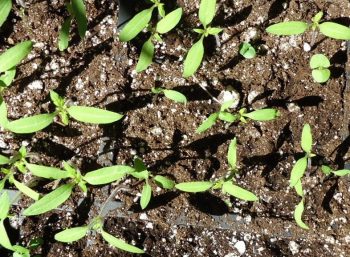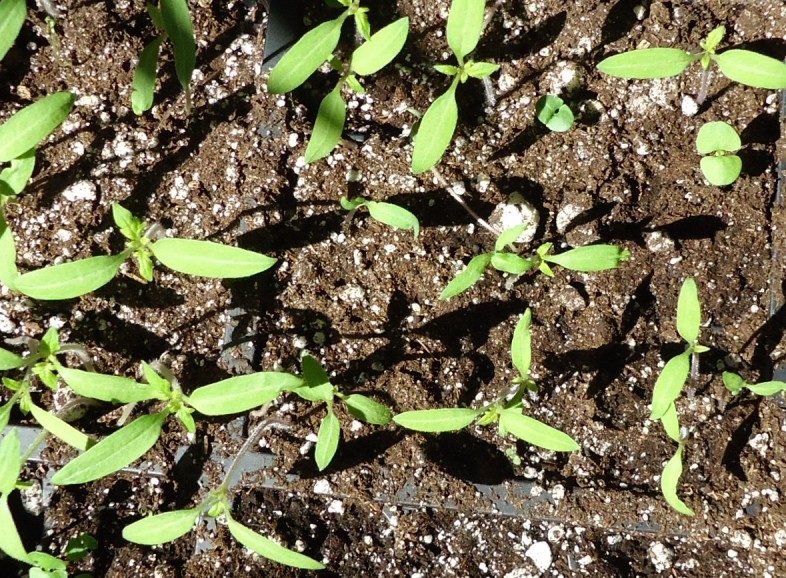
Growing tomatoes from seed opens up a world of possibilities: hundreds of colors, shapes, and flavors, from tiny cherry tomatoes to giant heirloom beefsteaks weighing over a pound. It is also more economical, more rewarding, and gives the gardener complete control over how the plants are raised from day one.
Starting tomatoes from seed isn’t difficult, but it requires careful timing and attention to detail. Seedlings need the right warmth, plenty of light, and a gradual introduction to the outdoors before they can thrive in the garden. This step-by-step guide covers everything needed to raise strong, productive tomato plants. Success always begins with healthy, reliable seed, such as the carefully selected varieties offered by KVITER.
Tomato Growing Requirements
Before sowing, understand what tomatoes need to flourish. Tomatoes are warm-season plants native to South America, and they are sensitive to cold at every stage of their life. Meeting their basic requirements is the foundation of a successful harvest.
The essential growing conditions for tomatoes include:
- Warmth for germination. Seeds sprout best at soil temperatures of 70°F–80°F (21°C–27°C). Temperatures below 60°F (16°C) slow germination and make sprouting unreliable.
- Full sun. Mature plants need at least 6–8 hours of direct sunlight per day for good flowering and fruit production.
- Rich, well-drained soil. Tomatoes are heavy feeders and prefer loose, fertile soil high in organic matter, with a slightly acidic pH of 6.2–6.8.
- Consistent moisture. Garden plants typically need about 1–2 inches (2.5–5 cm) of water per week, applied deeply and evenly.
- Frost-free nights. Transplants should go outside only once nighttime temperatures stay above 50°F (10°C).
- Space and support. Most varieties need staking, caging, or trellising, along with good air circulation to reduce disease.
Timing also matters. Start tomato seeds indoors about 6–8 weeks before the average last frost date in the area. Sowing too early produces tall, leggy plants that become stressed in their pots, while sowing too late shortens the harvest season.
Step 1 — Choose Seeds and Supplies
The first decision is which tomatoes to grow. Varieties fall into two main categories by growth habit.
Determinate (bush) tomatoes grow to a compact height of about 35–47 inches (90–120 cm), and ripen their fruit within a short window. These plants suit containers and gardeners who want to preserve a large crop at once.
Indeterminate (vining) tomatoes keep growing and producing until frost, often reaching 70–94 inches (180–240 cm) or more, and provide a steady harvest throughout the season.
Beyond growth habit, consider the purpose. Cherry and grape tomatoes are prolific and perfect for snacking. Paste tomatoes, such as Roma types, have dense flesh ideal for sauces. Slicing and beefsteak tomatoes are often used in sandwiches and salads. Heirloom varieties offer exceptional flavor, unusual colors, and the ability to save seed for future seasons.
Along with seeds, gather these basic supplies:
- Seed-starting containers. Cell trays, small pots, or recycled containers with drainage holes, about 2–3 inches (5–7.5 cm) deep.
- Seed-starting mix. A light, sterile mix designed for germination.
- Larger pots for transplanting. Containers about 4 inches (10 cm) wide for potting up seedlings.
- A heat mat (optional). Helps maintain ideal germination temperatures.
- A grow light or bright window. Essential for sturdy seedlings.
- Labels and a waterproof marker. Varieties look nearly identical as seedlings.
- A spray bottle or bottom-watering tray. For gentle irrigation.
Step 2 — Prepare the Soil
Tomato seeds need a fine, light growing medium. Ordinary garden soil is too dense for containers; it compacts, drains poorly, and may carry fungal spores that cause damping off, a disease that kills young seedlings at the soil line. A sterile seed-starting mix made from peat moss or coconut coir, perlite, and vermiculite is the best choice. Before filling the containers, thoroughly moisten the mix. Fill the containers to about 1/4 inch (0.6 cm) below the rim, then gently press the surface to remove large air pockets without compacting it.
KVITER experts also recommend preparing the outdoor bed early. Several weeks before transplanting, work 2–3 inches (5–7.5 cm) of well-rotted compost into the top 8–12 inches (20–30 cm) of garden soil. This improves drainage, structure, and fertility, giving the young plants a strong start once they move outside.
Step 3 — Sow Tomato Seeds
With containers filled and moistened, it is time to sow.
- Plant tomato seeds about 1/4 inch (0.6 cm) deep. Place two or three seeds in each cell or small pot to ensure at least one healthy seedling, then cover them lightly with mix and press gently so the seeds make good contact with the moist medium.
- Add Notes. Label each container immediately with the variety name and sowing date.
- Create a greenhouse effect. Cover the trays with a clear plastic dome or plastic wrap to hold in moisture and humidity.
- Place the trays in a warm spot where the soil stays around 70°F–80°F (21°C–27°C). A heat mat underneath is the most reliable way to maintain this temperature, especially in cool homes.
- Wait for sprouting. Under these conditions, tomato seeds usually germinate within 5–10 days. In cooler soil, around 60°F–65°F (16°C–18°C), germination may take two weeks or longer.
- Check the trays daily. As soon as the first green loops push through the surface, remove the cover and move the seedlings into bright light. Leaving the dome on too long creates excessive humidity, which encourages mold and damping off.
- Thinning. When seedlings reach about 2 inches (5 cm) tall and develop their first true leaves, thin them to one plant per cell. Rather than pulling extras out, which can disturb the roots of the remaining seedling, snip them off at the soil line with small scissors.
Gardeners looking for tomatoes and other crops can browse vegetable seeds at KVITER to find reliable options for every gardening goal.
Step 4 — Water, Light and Warmth
The weeks between germination and transplanting shape the plant’s future. Proper water, light, and temperature produce compact, sturdy seedlings with thick stems and healthy roots.
Water. Keep the mix evenly moist but never waterlogged. Bottom watering is the gentlest method: set the containers in a tray of water for 15–20 minutes, allowing the mix to absorb moisture from below, then drain any excess. This keeps the stems dry and reduces disease risk. Allow the surface to dry slightly between waterings.
Light. Tomato seedlings need strong light daily. A sunny windowsill is often not enough, especially in early spring, and seedlings that lack light grow tall, pale, and weak. A grow light positioned 2–4 inches (5–10 cm) above the leaves, raised as the plants grow, produces the best results. Make sure young tomatoes get 12–16 hours of light. If you use a window, rotate the trays daily so the plants don’t lean toward the glass.
Warmth. After germination, seedlings prefer slightly cooler conditions than seeds do. Aim for daytime temperatures of about 65°F–75°F (18°C–24°C) and nighttime temperatures no lower than 60°F (16°C). You can usually remove the heat mat at this stage.
When seedlings have two or three sets of true leaves, move them into containers about 4 inches (10 cm) wide, filled with a nutrient-rich potting mix. Tomatoes can grow roots along their buried stems, so set them deeper than before, burying the stem to just below the lowest leaves. Feed every 10–14 days with a half-strength organic liquid fertilizer.
Step 5 — Harden Off and Transplant
Seedlings raised indoors are not prepared for direct sun, wind, and temperature swings. Moving them outside abruptly can cause leaf scorch, wilting, and stunted growth. Hardening off gradually acclimates the plants over 7–10 days.
A simple hardening-off schedule looks like this:
- Days 1–2: Place seedlings outdoors in a sheltered, shaded spot for 1–2 hours.
- Days 3–4: Increase to 3–4 hours, including some gentle morning sun.
- Days 5–6: Leave them out for most of the day with partial sun exposure.
- Days 7–8: Expose them to full sun all day.
- Days 9–10: Leave them outdoors overnight if temperatures stay above 50°F (10°C).
Transplant once all danger of frost has passed, nighttime temperatures remain above 50°F (10°C), and the soil has warmed to at least 60°F (16°C). Choose a cloudy day or late afternoon to reduce transplant shock. Space determinate varieties 18–24 inches (45–60 cm) apart and indeterminate varieties 24–36 inches (60–90 cm) apart. Bury seedlings up to the first true leaves, often 6–8 inches (15–20 cm) deep. Install stakes or cages at planting time to avoid damaging roots later. Water deeply after planting, then apply a 2–3 inch (5–7.5 cm) layer of organic mulch such as straw or shredded leaves.
Conclusion
Growing tomatoes from seed is one of the most satisfying projects in the vegetable garden. With a clear understanding of their needs, the process becomes straightforward: choose healthy seed and the right supplies, prepare a light growing medium, and sow at the proper depth and temperature. Also, provide steady water, strong light, and gentle warmth. Harden off seedlings before transplanting to reduce shock.