Bread service often arrives before the first dish, which means it can shape a guest’s first impression of the meal. Clean, even slices make a bread basket look considered, while crushed or torn pieces can make an otherwise polished service feel less consistent.
For restaurant owners, the knife used for bread prep may seem like a small purchasing decision, but it can affect speed, portion consistency, food waste and staff comfort. The right tool makes it easier for the kitchen team to prepare different loaf styles cleanly without using excessive pressure or repeated sawing.
Why Blade Design Matters in Restaurant Operations
The serrated edge of a quality bread knife is designed to cut through a firm crust while reducing pressure on the softer interior. A straight blade can compress delicate bread before it cuts, while serrations grip the crust and help the blade move through the loaf with less crushing.
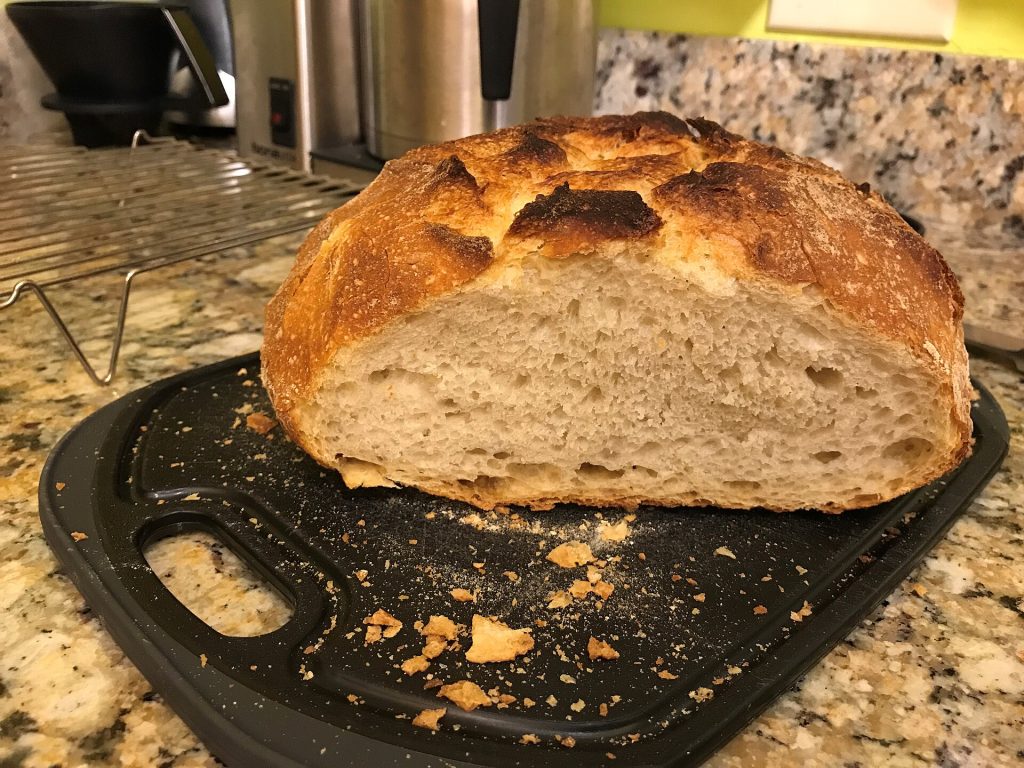
Serration style should suit the bread being served. Deeper, sharper serrations can work well on thick, crusty loaves such as sourdough, while finer or shallower serrations can be better suited to softer breads that are easier to compress.
Blade length also matters. A longer blade can make it easier to slice wide boules, baguettes and larger loaves in a continuous stroke without repeatedly repositioning the knife. For restaurants serving several bread types, choosing a versatile blade length can help simplify prep.
The Impact on Speed and Consistency During Service
Consistency matters in a restaurant kitchen. Guests expect portions to look similar from one table to the next, and uneven slices can affect both presentation and portion control.
A sharp serrated blade can help staff make clean cuts with fewer passes. During a high-volume service, small improvements in prep efficiency can add up, especially when bread needs to be sliced repeatedly for baskets, sandwiches, toast or plated dishes across lunch and dinner service.
Handle design also affects usability. Offset handles, for example, can provide extra knuckle clearance when slicing on a board. A secure, comfortable handle can also make repetitive cutting easier to control, particularly during longer prep sessions when consistency and pace both matter.
For restaurant owners, these details are practical rather than cosmetic. A knife that is easier to handle can support smoother prep while helping the team produce more consistent results.
Ergonomics and Staff Comfort
Bread slicing can involve the same motion many times during prep and service. If a knife is poorly balanced, difficult to grip or requires excessive pressure, the task becomes more tiring than it needs to be.
A well-balanced knife with a comfortable, non-slip handle can reduce unnecessary effort and give staff better control. This is especially useful in busy kitchens where hands may be damp or covered in flour.
Handle shape should also suit the way the knife is used. Staff should be able to grip it securely without awkward wrist positioning, while still having enough clearance to move the blade through the loaf safely.
No knife can eliminate the physical demands of kitchen work, but choosing equipment that feels stable and comfortable can make repetitive prep more manageable.
Choosing the Right Knife for Your Bread Programme
Not every restaurant serves the same bread, so the right knife depends on the menu.
Restaurants serving rustic sourdough or other thick-crusted loaves may benefit from a longer blade with more pronounced serrations. Cafes slicing brioche, milk buns or soft sandwich loaves may prefer a finer serration pattern that cuts with less compression.
Blade material is another consideration. High-carbon stainless steel is commonly used in commercial knives because it can provide useful edge retention while resisting corrosion in a busy kitchen environment.
Owners should also consider cleaning, storage and maintenance. Hand washing, drying the knife promptly and avoiding unnecessarily hard cutting surfaces can help protect the blade. Serrated knives may also require specialist sharpening rather than the same maintenance routine used for straight-edged knives.
Price still matters, but purchase cost should be weighed against durability, ease of use and how often the knife will be used. A suitable commercial knife does not need to be expensive for its own sake. It needs to perform reliably for the bread programme and workload of the restaurant.
Elevating the Guest Experience Through Better Bread Service
Bread service may be a small part of the meal, but it is highly visible. Neatly sliced, consistently portioned bread can contribute to a more polished first impression and make presentation easier for front-of-house staff.
For restaurant owners, better bread service does not require overcomplicating the process. Matching the knife to the bread, workload and kitchen team can improve preparation without changing the menu or adding another complicated system.
The right equipment simply removes friction. When staff can slice bread cleanly, safely and consistently, the result is better prep, less unnecessary waste and a more considered experience at the table.