Caviar has long been synonymous with wealth, refinement, and indulgence. Often called “black gold,” this delicacy represents the pinnacle of fine dining, admired not only for its taste but also for its exclusivity. Across centuries and cultures, caviar has maintained its reputation as one of the most prestigious foods in the world, enjoyed by royalty, aristocrats, and modern gourmets alike. Its mystique lies in a combination of rarity, craftsmanship, and sensory pleasure that few other foods can match.
What Is Caviar?
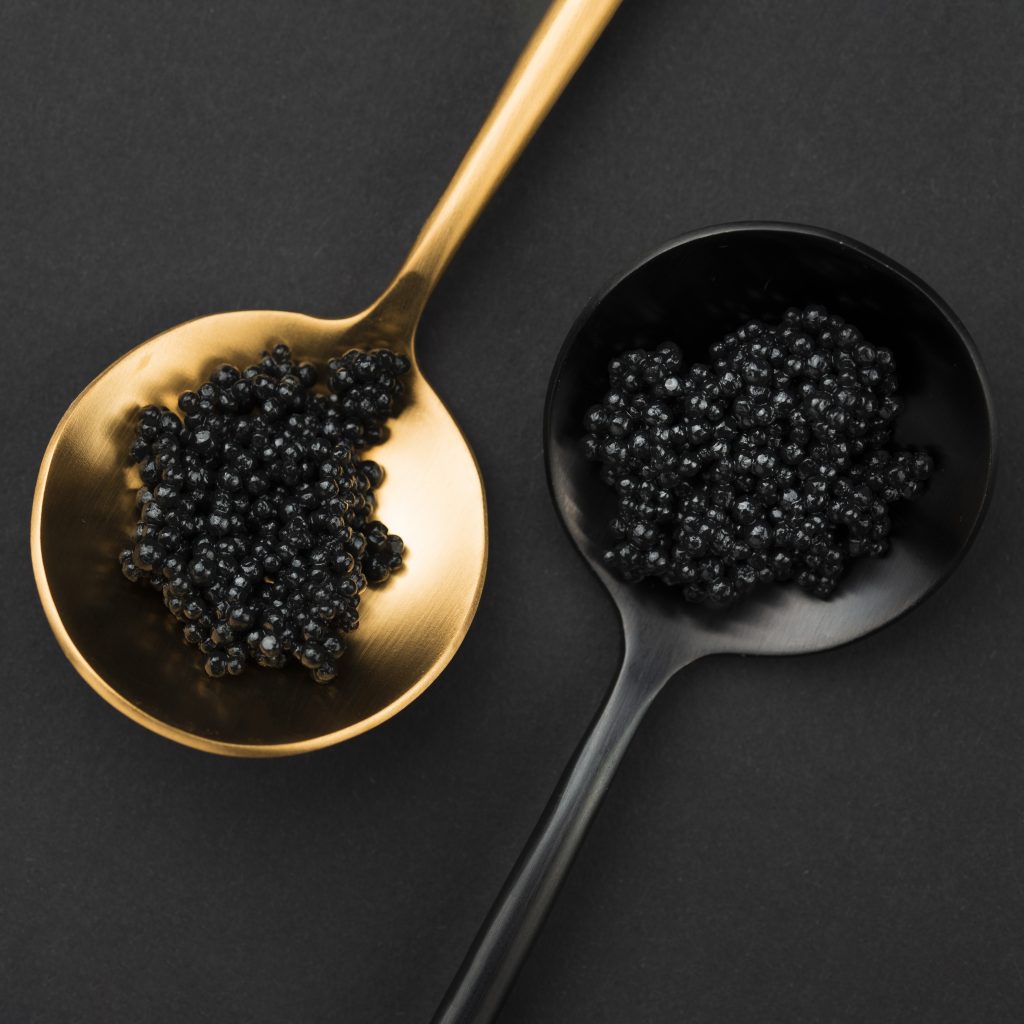
At its essence, caviar consists of salt-cured eggs, known as roe, harvested from sturgeon fish. While many types of fish produce roe, only sturgeon roe is considered “true” caviar according to traditional definitions. This distinction is crucial, as it separates authentic caviar from more common substitutes like salmon or trout roe. The eggs are carefully processed and lightly salted to preserve their natural flavor, resulting in a product that is both delicate and complex.
Ancient Origins and Cultural Roots
The history of caviar stretches back thousands of years to ancient Persia, where it was first consumed and even believed to possess medicinal properties. From there, it spread across regions surrounding the Caspian and Black Seas, becoming a staple among various civilizations. By the Middle Ages, caviar had reached Europe and gained popularity among nobility. Over time, it evolved from a regional delicacy into a global symbol of luxury, deeply embedded in culinary traditions.
The Rise of a Royal Delicacy
Caviar’s association with wealth and power grew particularly strong in Russia and Europe. Historical records show that it was served at aristocratic banquets and royal courts, reinforcing its image as food for the elite. By the 19th century, improved trade and transportation allowed caviar to reach wider audiences, but it remained a luxury item reserved for special occasions. Its reputation as a status symbol continues to this day.
Types of Caviar
Not all caviar is the same. The most renowned varieties come from three main sturgeon species: Beluga, Ossetra, and Sevruga. Beluga caviar is prized for its large, soft eggs and buttery flavor, while Ossetra offers a nutty taste and medium-sized pearls. Sevruga, with its smaller eggs, is often more intense in flavor. Each type provides a unique sensory experience, making caviar a diverse and nuanced delicacy.
Why Caviar Is So Expensive
One of the defining characteristics of caviar is its high price. This is largely due to the biology of sturgeon fish, which can take many years—sometimes decades—to mature and produce eggs. Combined with overfishing, environmental pressures, and strict regulations, this long production cycle contributes to its rarity. Additionally, the harvesting and processing of caviar require skilled craftsmanship, further increasing its value.
Sustainability and Modern Production
In response to declining wild sturgeon populations, the caviar industry has shifted toward sustainable aquaculture. Today, many producers raise sturgeon in controlled environments to ensure both quality and ecological responsibility. This shift has helped protect endangered species while making caviar more accessible to a broader audience. Modern farming techniques have improved significantly, allowing farmed caviar to rival traditional wild varieties in both taste and texture.
The Art of Production
Producing caviar is a delicate and highly specialized process. After harvesting, the roe is carefully cleaned, sorted, and salted using the “malossol” method, which means “lightly salted.” This technique enhances the natural flavor of the eggs without overpowering them. The result is a product that balances subtlety and richness, offering a refined culinary experience that reflects the skill of its producers.
How to Enjoy Caviar
Caviar is best enjoyed simply, allowing its natural flavors to shine. It is typically served chilled and eaten in small portions, often accompanied by blinis, toast, or crème fraîche. Non-metal utensils are recommended to preserve its taste, as metal can interfere with its delicate flavor. The experience of eating caviar is as important as the taste itself, making it a ritual as much as a meal.
A Modern Gourmet Experience
In recent years, caviar has become more accessible thanks to online retailers and specialty shops. For those looking to explore premium selections, platforms like The Caviar Club offer curated options that make it easier to experience this delicacy at home. This accessibility has helped redefine caviar, bringing it beyond elite circles and into contemporary culinary culture.
Nutritional Value and Benefits
Despite its luxurious image, caviar also offers notable health benefits. It is rich in omega-3 fatty acids, vitamins, and minerals that support heart and brain health. While it is typically consumed in small quantities, its nutritional profile adds another dimension to its appeal, combining indulgence with nourishment.
Innovation in Modern Cuisine
Today’s chefs are reimagining caviar in creative and unexpected ways. From pairing it with pasta and sushi to incorporating it into modern tasting menus, caviar continues to evolve. This innovation demonstrates its versatility and ensures its relevance in contemporary gastronomy, proving that even the most traditional delicacies can adapt to changing culinary trends.
Conclusion: The Essence of “Black Gold”
Caviar’s reputation as “black gold” is well deserved. It embodies rarity, craftsmanship, and a rich cultural heritage that spans centuries. From its ancient origins to its modern reinvention, caviar remains a symbol of culinary excellence. More than just a food, it is an experience—one that captures the essence of luxury and continues to fascinate those who seek the finest flavors the world has to offer.