Last-mile delivery represents the final stage in the food service supply chain, where prepared meals are transported from the restaurant to the customer. This segment has the highest impact on customer satisfaction, operational efficiency, and cost control. Unlike earlier stages of food preparation, last-mile delivery is exposed to external variables such as traffic, weather, and route inefficiencies.
For restaurants, optimizing this phase is critical to maintaining quality and competitiveness.
Impact on Food Quality and Customer Experience
Food quality is highly sensitive to delivery time and handling conditions. Temperature, texture, and presentation degrade rapidly once food leaves the kitchen.
Delays in last-mile delivery can result in:
- Loss of heat in hot meals or temperature inconsistency in cold items
- Structural degradation, such as soggy or compacted food
- Reduced perceived value due to presentation issues
Efficient routing and timing ensure that meals arrive within optimal consumption windows. Maintaining these standards directly influences customer satisfaction and repeat business.
Operational Efficiency and Cost Management
Last-mile delivery introduces significant operational costs, including labor, fuel, and vehicle maintenance. Inefficient routing or dispatching increases these costs without improving service quality.
Restaurants must manage:
- Delivery radius and order density
- Driver allocation and scheduling
- Fuel consumption and route optimization
Optimizing these variables reduces unnecessary expenses while maintaining service levels. Efficient delivery systems balance speed with cost control.
Role of Technology in Dispatch Optimization
Technology plays a central role in managing last-mile logistics. Platforms such as Spoke enable real-time dispatching, route optimization, and delivery tracking.
These systems use algorithms to assign orders based on proximity, traffic conditions, and delivery priorities. This reduces idle time and improves driver utilization.
Key technological benefits include:
- Automated route planning to minimize travel distance
- Real-time tracking for operational visibility
- Data analytics for performance improvement
Technology-driven dispatch systems increase efficiency and scalability.
Managing Delivery Time Windows
Delivery timing is a critical factor in customer satisfaction. Restaurants must define and maintain realistic delivery windows based on operational capacity and external conditions.
Overpromising delivery times leads to customer dissatisfaction, while underutilizing capacity reduces efficiency.
Effective time management involves:
- Analyzing historical delivery data
- Adjusting time estimates based on demand and traffic
- Coordinating kitchen output with delivery schedules
Accurate timing improves reliability and trust.
Integration with Kitchen Operations
Last-mile delivery must be synchronized with kitchen processes. Misalignment between preparation and dispatch leads to delays or idle time.
For example, preparing orders too early can result in food cooling before dispatch, while preparing too late delays delivery.
Integration requires:
- Coordinated timing between order preparation and driver availability
- Real-time communication between kitchen and dispatch systems
- Adjustments based on order volume and complexity
Operational alignment ensures that delivery processes support food quality.
Customer Visibility and Communication
Customers expect transparency in the delivery process. Real-time updates on order status improve the overall experience and reduce uncertainty.
Providing visibility includes:
- Estimated arrival times
- Live tracking of delivery progress
- Notifications for delays or changes
Clear communication reduces support inquiries and increases customer confidence.
Scalability and Demand Fluctuations
Restaurant demand is not constant. Peak periods such as weekends or holidays require systems that can scale without compromising service.
Last-mile delivery must adapt to fluctuations by adjusting driver availability and routing strategies. Failure to scale effectively results in delays and reduced service quality.
Scalable systems ensure that operations remain stable under varying demand conditions.
Competitive Differentiation in Food Delivery
Delivery performance has become a key differentiator in the restaurant industry. Customers often choose providers based on speed, reliability, and convenience rather than menu alone.
Restaurants that optimize last-mile delivery gain advantages in:
- Customer retention through consistent service
- Positive reviews and reputation
- Increased order frequency
Efficient delivery systems contribute directly to competitive positioning.
Data-Driven Performance Improvement
Continuous improvement in last-mile delivery requires data analysis. Metrics such as delivery time, cost per order, and customer feedback provide insight into performance.
Data allows restaurants to:
- Identify inefficiencies in routing or dispatching
- Adjust delivery zones and pricing strategies
- Improve driver performance and scheduling
Data-driven decision-making enhances both efficiency and service quality.
Risk Management and Reliability
Last-mile delivery is exposed to risks such as traffic disruptions, vehicle breakdowns, and weather conditions. Restaurants must implement contingency strategies to maintain reliability.
Risk management includes:
- Backup drivers or alternative routes
- Flexible scheduling systems
- Monitoring external conditions in real time
Preparedness reduces disruptions and ensures consistent service.
Last-mile delivery is a critical component of restaurant operations, directly affecting food quality, cost efficiency, and customer satisfaction. By integrating technology, optimizing routes, and aligning kitchen processes with delivery systems, restaurants can improve performance and maintain competitiveness. As delivery demand continues to grow, effective last-mile strategies will remain essential for long-term success.
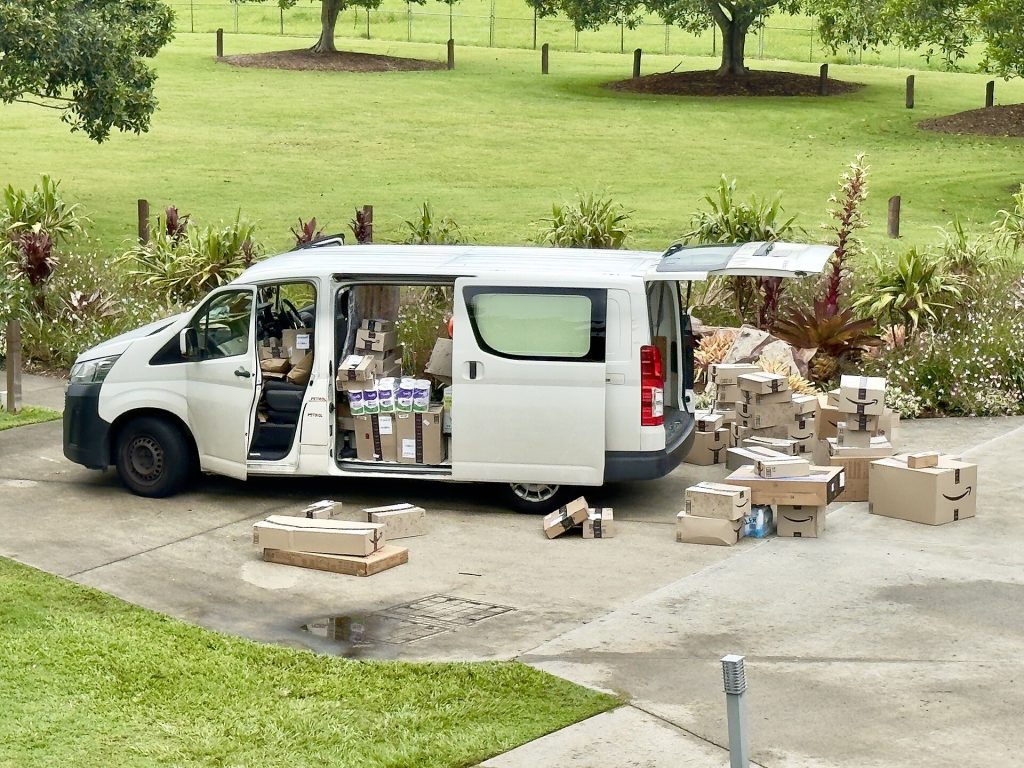
Featured photo: Christmas parcels delivery van in Brisbane, Australia, 2023 by Kgbo, BY-SA 4.0.