

-
by Restaurants Expert
- March 19, 2026
Choosing the best marketing channels for restaurants is not about being present everywhere. It is about focusing on the channels that actually bring customers through the door or generate online orders. With so many options available today, from social media to delivery apps, it is easy to spread efforts too thin without seeing clear results.
Restaurants operate differently from most other businesses. Location, timing, and customer experience play a larger role, which means marketing needs to be closely tied to local visibility and real-world demand. A channel that works well for ecommerce may not deliver the same results for a restaurant that depends on nearby customers.

What Are the Best Marketing Channels for Restaurants?
The best marketing channels for restaurants are those that help customers discover your business, decide to visit, and return again. Unlike other industries, restaurants rely heavily on local visibility and immediate intent, which makes certain channels more important than others.
Some of the most effective channels include:
- Local SEO and Google Business Profile for search visibility
- Social media for showcasing food and atmosphere
- Online reviews for building trust and influencing decisions
- Influencer marketing for local reach and credibility
- Email and SMS for promotions and repeat visits
- Paid ads for quick visibility and targeted reach
Each channel supports a different part of the customer journey. For example, a customer might discover a restaurant through a Google search, check reviews before deciding, and later follow the brand on social media for updates and promotions.
The most effective approach is to combine these channels rather than rely on just one. Restaurants that balance discovery, trust, and retention tend to see more consistent results over time.
1. Local SEO and Google Business Profile
Local SEO is one of the most important marketing channels for restaurants. Most customers search for places to eat nearby, often using phrases like “restaurants near me” or specific cuisine queries. Appearing in these searches directly impacts foot traffic and reservations.

Why Local Search Is Critical for Restaurants
Local search captures high-intent users. These are people actively looking for a place to eat, often ready to decide within minutes.
- Searches often happen on mobile devices
- Users rely on maps and nearby results
- Decisions are made quickly based on visibility and ratings
If your restaurant does not appear in local search results, you are missing one of the most direct sources of customers.
Optimizing Your Google Business Profile
Your Google Business Profile is often the first impression potential customers have of your restaurant.
Key areas to optimize:
- Accurate name, address, and phone number
- Updated opening hours
- High-quality photos of food and interior
- Clear menu and service options
Keeping this information complete and up to date improves visibility and helps users choose your restaurant over others.
Managing Reviews and Ratings
Reviews play a major role in customer decisions. Even a small difference in rating can affect whether someone chooses your restaurant.
Best practices include:
- Encouraging satisfied customers to leave reviews
- Responding to both positive and negative feedback
- Addressing complaints professionally
Active review management builds trust and improves your position in local search results.
2. Restaurant Website and Online Presence
While third-party platforms are useful, having your own website gives you full control over your brand and customer experience. It acts as a central point where customers can learn about your restaurant and take action.
Why Every Restaurant Needs a Website
A website allows you to present your restaurant exactly as you want.
- Share your story and concept
- Display menus and pricing clearly
- Provide accurate information without relying on third-party platforms
It also helps build credibility, especially for customers who want to verify details before visiting.
SEO Optimization for Restaurant Websites
Optimizing your website for search engines helps attract additional traffic beyond your Google Business Profile.
Important elements include:
- Using location-based keywords (city, neighborhood)
- Creating pages for specific services (dine-in, delivery, events)
- Ensuring fast loading speed and mobile usability
These improvements increase the chances of appearing in both local and general search results.
Online Menus, Reservations, and Ordering
Your website should make it easy for customers to take action.
- Clear and accessible menu pages
- Reservation options for dine-in
- Online ordering for delivery or pickup
Reducing friction in these steps improves conversions and encourages more direct orders, which often have higher margins than third-party platforms.
3. Social Media Marketing for Restaurants
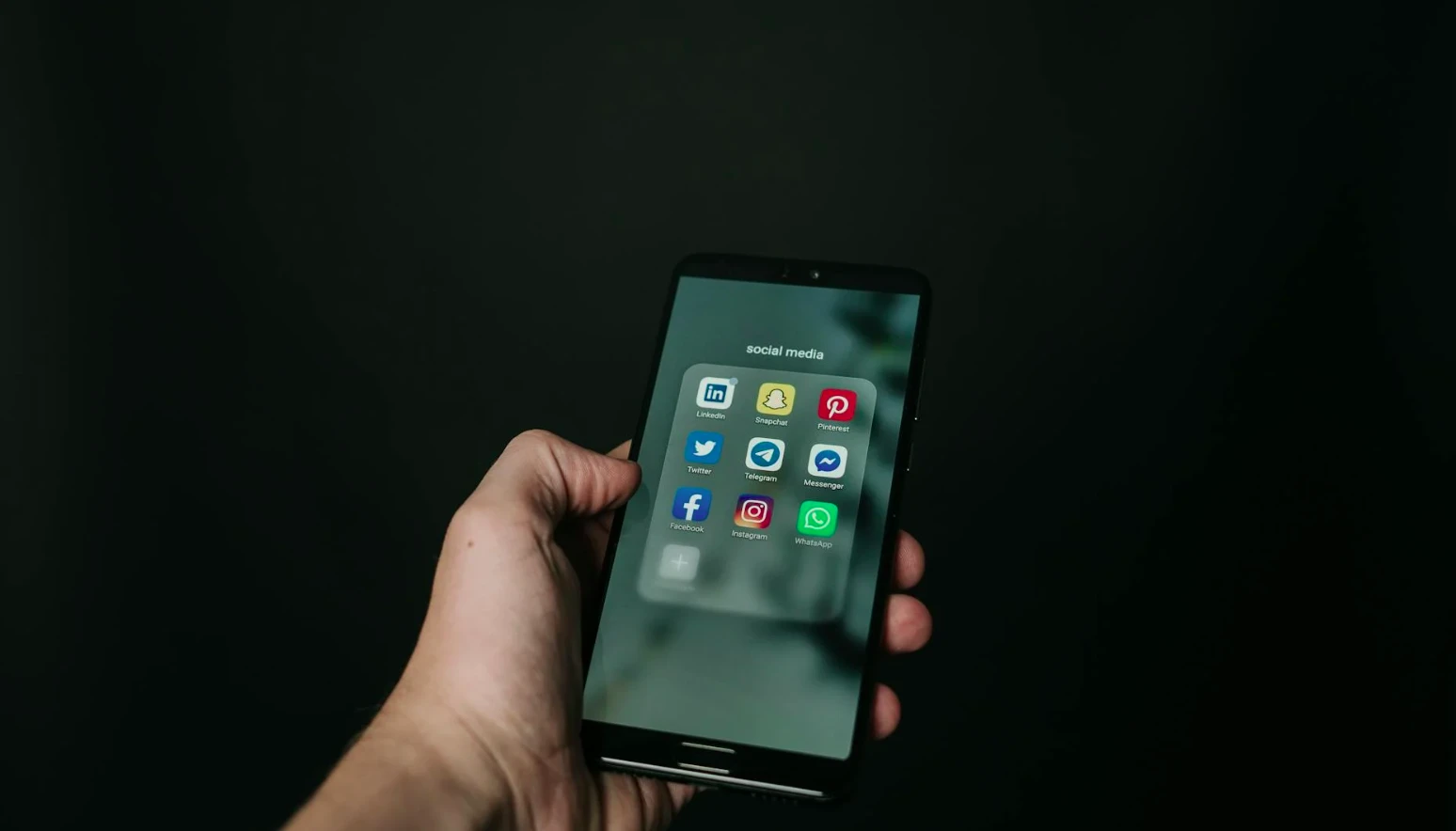
Social media is a natural fit for restaurants because food is highly visual. It allows you to showcase dishes, atmosphere, and daily activity in a way that attracts attention and builds interest.
Organic Social Media Content
Organic content helps build a consistent presence and engage with your audience over time.
Effective content types include:
- Photos and videos of dishes
- Behind-the-scenes preparation
- Customer experiences and user-generated content
Consistency matters more than volume. Regular posting keeps your restaurant visible and relevant.
Paid Social Ads for Local Reach
Paid social advertising allows restaurants to target nearby audiences quickly.
- Promote special offers or events
- Target users based on location and interests
- Retarget people who have interacted with your content
This makes it a useful channel for driving short-term traffic and filling seats during slower periods.
Best Platforms (Instagram, TikTok, Facebook)
Different platforms serve different purposes.
- Instagram is ideal for visual content and brand presentation
- TikTok works well for short, engaging videos and trends
- Facebook is useful for events, updates, and local targeting
Choosing the right platforms depends on your audience and the type of content you can consistently produce.
4. Influencer Marketing for Restaurants
Influencer marketing has become an effective channel for restaurants, especially at the local level. Food is highly visual and shareable, which makes it well suited for creator-driven content that reaches nearby audiences.
Why Influencer Marketing Works for Food Businesses
People often choose restaurants based on recommendations and visuals. Influencers provide both.
- Content feels more natural than traditional ads
- Visual formats highlight food and atmosphere
- Local creators can drive immediate visits
This type of exposure can quickly increase awareness, especially for new openings or special events.
Working With Local Food Influencers
Local influencers tend to deliver the best results for restaurants.
- Their audience is geographically relevant
- Content reaches people who can realistically visit
- Collaborations are often more affordable
Instead of focusing only on follower count, it is more effective to look at engagement and audience fit. Smaller creators with strong local audiences often perform better than larger, less targeted accounts.
If you want to find and work with food influencers who can promote your restaurant to the right audience, use Hypefy’s Find and Hire Food Influencers Tool and manage your campaign in one simple platform.
Measuring Results and ROI
To evaluate influencer campaigns, it is important to track performance beyond likes and views.
- Monitor engagement and reach
- Track reservations, visits, or orders after campaigns
- Use promo codes or unique links when possible
As campaigns grow, managing multiple influencers and tracking performance can become difficult. Many restaurants use platforms to organize collaborations, compare creators, and monitor results more efficiently.
5. Email and SMS Marketing
Email and SMS marketing are often overlooked in the restaurant industry, but they are highly effective for bringing customers back. These channels focus on retention rather than discovery.
Building a Customer List
A strong contact list is the foundation of this channel.
- Collect emails through website forms and reservations
- Offer incentives such as discounts or special offers
- Use in-store prompts to encourage sign-ups
Even a small but engaged list can generate consistent repeat visits.
Promotions, Offers, and Loyalty Campaigns
Email and SMS are ideal for sharing timely promotions.
- Limited-time discounts
- Event announcements
- Loyalty rewards and special deals
These messages can drive immediate action, especially when they create a sense of urgency.
Retention and Repeat Visits
Keeping existing customers is often more cost-effective than acquiring new ones.
- Remind customers to return
- Promote new menu items
- Build ongoing relationships
Consistent communication helps turn one-time visitors into regular guests.
6. Online Reviews and Reputation Management
Online reviews are one of the most influential factors in restaurant marketing. Many customers decide where to eat based on ratings and feedback.
Importance of Reviews for Restaurants
Reviews directly impact both visibility and trust.
- Higher ratings improve local search rankings
- Positive reviews increase the likelihood of visits
- Customers often compare multiple restaurants before deciding
A strong review profile can significantly influence customer choice.
Encouraging Customer Reviews
Restaurants should actively encourage satisfied customers to leave reviews.
- Ask politely after a positive experience
- Include reminders on receipts or follow-ups
- Make the process simple and quick
More reviews help build credibility and improve visibility.
Responding to Positive and Negative Feedback
Responding to reviews shows that you value customer feedback.
- Thank customers for positive reviews
- Address negative feedback professionally and calmly
- Use feedback to improve service
Active management of reviews strengthens trust and shows commitment to customer experience.
7. Paid Advertising for Restaurants
Paid advertising allows restaurants to reach potential customers quickly, especially in competitive areas. It is often used to promote offers, increase visibility, and drive immediate traffic during specific times.
Google Ads and Local Search Ads
Google Ads helps restaurants appear at the top of search results when users are actively looking for places to eat.
- Target keywords like “restaurant near me” or specific cuisine
- Use location-based targeting to reach nearby users
- Promote offers, menus, or reservations
Local search ads are particularly effective because they capture high-intent users who are ready to make a decision.
Social Media Advertising
Social media ads allow restaurants to target users based on location, interests, and behavior.
- Promote special offers or limited-time deals
- Highlight dishes and atmosphere through visual content
- Retarget users who have interacted with your page or website
This channel works well for filling seats during slower periods or increasing awareness in a specific area.
Budget and ROI Considerations
Paid advertising requires careful management to stay efficient.
- Costs vary depending on competition and location
- Poor targeting can lead to wasted budget
- Ongoing testing is needed to improve performance
Tracking results is essential. Measuring clicks, reservations, and orders helps determine whether campaigns are delivering value.
Building a Multi-Channel Restaurant Marketing Strategy
Relying on a single marketing channel limits growth and increases risk. Restaurants that combine multiple channels tend to see more consistent results, as each channel supports a different part of the customer journey.
Combining Online and Offline Channels:
Effective restaurant marketing connects digital visibility with real-world experience.
- Online channels attract and inform customers
- Offline experience determines whether they return
For example, a customer might discover your restaurant through Google or social media, but their in-person experience will decide if they come back or leave a review.
Prioritizing High-Impact Channels
Not all channels need equal attention. It is more effective to focus on those that directly influence customer decisions.
- Start with local SEO and reviews for visibility
- Add social media for engagement and awareness
- Use paid ads or influencers for additional reach
Expanding gradually allows you to maintain quality and consistency across channels.
Budget Allocation for Restaurants
Budget should be distributed based on performance and goals.
- Allocate more budget to channels that drive results
- Test new channels with smaller investments
- Adjust spending based on data over time
A structured approach to budgeting helps avoid wasted spend and improves overall efficiency.
Common Mistakes in Restaurant Marketing
Even with the right channels, certain mistakes can limit results and reduce the effectiveness of marketing efforts.
- Ignoring Local SEO: Local search is one of the main ways customers find restaurants. Not optimizing for local visibility means missing high-intent traffic.
- Not Managing Reviews: Reviews directly influence customer decisions. Ignoring them can harm both reputation and visibility.
- Inconsistent Social Media Presence: Posting irregularly or without a clear approach reduces engagement and visibility over time. Consistency is key for building awareness.
- Relying on One Channel Only: Depending on a single channel creates risk. Changes in algorithms, competition, or performance can quickly impact results. A balanced approach provides more stability.
Conclusion
The best marketing channels for restaurants are those that align with how customers discover, choose, and return to a place to eat. From local SEO and reviews to social media and influencer marketing, each channel plays a specific role in driving growth.
Rather than focusing on one channel, restaurants benefit from combining multiple approaches. Some channels generate immediate results, while others build long-term visibility and trust.
A structured, multi-channel strategy allows restaurants to start small, test what works, and expand over time. This approach leads to more consistent performance and a stronger connection with customers.