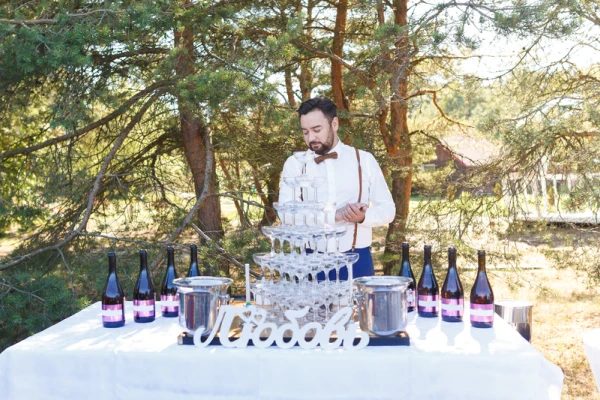
A great cocktail can look simple when it arrives at the table. The glass is chilled, the garnish is neatly placed, and the flavours come together perfectly. But behind that finished drink is often a series of small decisions that customers never see. From measuring ingredients accurately to choosing the right preparation method, every detail can affect the final result.
Recipes are an important starting point, but they are only one part of bartending. A professional bartender also needs practical experience, knowledge of ingredients, time management, organisation, and the ability to make guests feel welcome. These skills become especially important during busy shifts, when several orders need attention at once.
Understanding the work behind the bar helps explain why training matters. It is not simply about memorising drink names or learning how to shake a cocktail. It is about developing the judgement and consistency needed to deliver a good experience, one order at a time.
A Recipe Is Only the Beginning
Following a recipe might seem straightforward: measure the ingredients, combine them, and serve the drink. Yet even a familiar cocktail can turn out differently depending on how it is prepared.
The amount of ice, the length of time spent shaking or stirring, the quality of the ingredients, and the proportions used can all influence the result. A little too much citrus may overpower a drink, while an inaccurate pour can throw off its balance. Temperature and dilution matter, too, particularly for cocktails that rely on a clean, refreshing finish.
Training helps bartenders understand why each step matters rather than simply memorising a list of instructions. They learn how different ingredients interact, when to shake rather than stir, and how to measure accurately without slowing down their work.
This understanding also gives them a foundation for handling unfamiliar orders. When a guest requests a variation on a classic cocktail, a bartender with sound technical knowledge can make sensible adjustments while preserving the drink’s intended character.
Recipes provide direction, but practical knowledge is what helps a bartender use them well.
Precision Is a Skill Customers Can Taste
Consistency is one of the less visible parts of good bartending. Guests generally expect their favourite drink to taste the same each time they order it, regardless of how busy the venue is or who is behind the bar.
Achieving that consistency requires more than a good memory. Bartenders need to measure spirits and mixers correctly, follow established preparation methods, and pay attention to small details. Free-pouring may be used in some settings, but it still requires control and practice. Accurate measurements also help venues manage ingredient costs and reduce waste.
Presentation matters as well. Choosing suitable glassware, preparing a clean garnish, and serving a drink at the right temperature all contribute to the overall experience. These steps may take only a few moments individually, but they become difficult to manage consistently without good habits.
Structured practice allows new bartenders to repeat techniques until they become more natural. Instead of concentrating on every movement separately, they can gradually develop a reliable process that supports both quality and speed.
The goal is not to make every drink look elaborate. It is to make sure the basics are done properly, even when the bar is under pressure.
The Preparation Customers Never See
Before the first order arrives, there is work to do. Bartenders may need to prepare garnishes, stock ingredients, check glassware, organise tools, replenish ice, and make sure their station is ready for service.
This preparation is often called mise en place: having the necessary ingredients and equipment organised before the work begins. It may not be the most glamorous part of bartending, but it can make a significant difference once orders start coming in.
A poorly organised station creates unnecessary movement and delays. If a bartender has to search for a bottle, cut fruit during a rush, or replace missing equipment repeatedly, even simple orders can take longer than necessary. Good preparation makes the workflow smoother and leaves more time for serving guests.
Training encourages bartenders to develop routines for opening, restocking, cleaning, and closing their stations. It also helps them recognise which tasks should be completed before service and which need attention throughout a shift.
For anyone considering bartending in Vegas, where hospitality venues can range from casual bars to busy nightlife settings, an understanding of preparation and workflow is especially useful. Whatever type of venue a bartender hopes to work in, being organised can help them stay focused when the pace picks up.
Speed Comes From Practice, Not Rushing
A busy bar can test even an experienced bartender. Orders arrive from different directions, guests ask questions, servers need drinks for their tables, and new requests appear before earlier ones have been completed.
In these situations, speed is valuable, but rushing is not the same as working efficiently. Moving too quickly without a clear process can lead to incorrect orders, spills, inconsistent measurements, and unnecessary waste.
Experienced bartenders develop ways to organise multiple orders and identify which tasks can be completed together. They learn to keep commonly used ingredients within reach, prepare drinks in a logical sequence, and maintain awareness of what is happening around them.
These abilities take practice. Repeating techniques in a training environment helps new bartenders build muscle memory and become more comfortable using bar tools. They can focus on improving their movements and accuracy before having to manage a full service period.
Training also teaches people to recognise when slowing down briefly is the better decision. Checking an order, confirming an ingredient, or measuring carefully can prevent mistakes that would take longer to correct later.
Professional speed comes from familiarity, preparation, and sound judgement—not simply from trying to move faster.
Customer Service Is Part of the Craft
Bartending involves much more than preparing beverages. It is also a people-focused job, and the way a bartender communicates can influence how guests remember their visit.
Some customers know exactly what they want. Others may be unfamiliar with the menu or unsure which drink suits their preferences. A skilled bartender listens carefully, asks useful questions, and explains options without making the guest feel uncomfortable.
This requires knowledge as well as communication. Understanding the differences between spirits, flavour profiles, sweetness, acidity, and common cocktail styles helps bartenders make recommendations that suit individual tastes. It also allows them to explain ingredients clearly when someone has questions about what a drink contains.
Training can help aspiring bartenders practise these conversations and learn how to remain polite and composed during difficult interactions. They may also need to coordinate with servers, communicate special requests, and respond professionally when an order needs correcting.
Responsible service is another essential part of the role. Bartenders must understand applicable alcohol-service laws, recognise signs of intoxication, and know when they should decline a request. Depending on the location, specific training or certification requirements may apply.
These responsibilities are not extras added to the job. They are part of providing professional hospitality.
Training Builds Confidence Behind the Bar
For someone new to the industry, the bar environment can seem intimidating. There are unfamiliar tools, a wide range of ingredients, many drink names to learn, and an expectation to work efficiently while interacting with customers.
Without practical preparation, it can be difficult to know where to begin. A person might memorise several popular recipes but still feel unsure about setting up a workstation, handling glassware, or managing several orders at once.
Training breaks these responsibilities into manageable skills. Learners can practise measuring, shaking, stirring, pouring, garnishing, and maintaining a clean station. They can also become familiar with common spirits, mixers, glassware, and service routines.
For people exploring Vancouver bartender trainings, practical instruction can provide a starting point for developing these abilities and understanding what working behind a bar involves. The right learning experience should help students practise essential techniques, build beverage knowledge, and become more comfortable with the demands of service.
Confidence develops as skills improve. Rather than relying on guesswork, a trained bartender has a process to follow and a stronger understanding of how to respond when something unexpected happens.
Creativity Works Best With Strong Foundations
Creative cocktails are often associated with unusual ingredients, distinctive garnishes, and inventive flavour combinations. Experimentation can be an exciting part of bartending, but creativity becomes more effective when it is supported by technical knowledge.
A bartender who understands balance can experiment with sweetness, bitterness, acidity, aroma, and texture more thoughtfully. They can recognise why certain ingredients complement one another and how a change in proportions affects the final drink.
The same foundation helps when adapting cocktails to different preferences. A guest may want something less sweet, a drink with a stronger citrus flavour, or a non-alcoholic option with the complexity of a traditional cocktail. Understanding the principles behind a recipe makes it easier to create a suitable alternative.
Creativity also involves knowing when not to add another ingredient. A complicated drink is not necessarily a better one. Sometimes the most effective cocktail is a simple combination prepared carefully, with each ingredient serving a clear purpose.
Training provides the technical grounding that allows experimentation to become deliberate rather than random.
Good Habits Make a Difference Over Time
Learning bartending does not end when someone masters a set of recipes. Ingredients change, menus evolve, customer expectations vary, and different workplaces develop their own standards.
Successful bartenders continue learning through experience, feedback, and practice. They pay attention to which techniques produce the best results, look for ways to improve their workflow, and learn from mistakes without allowing the same problems to become habits.
Cleanliness and organisation remain important throughout a career. So do accurate measurements, clear communication, responsible service, and respect for colleagues. These everyday practices may attract less attention than an impressive cocktail presentation, but they help create a reliable experience for guests and coworkers alike.
For employers, these qualities can matter just as much as a candidate’s ability to make popular drinks. A bartender who works carefully, communicates well, and handles pressure professionally can contribute to a more effective team.
The Best Cocktails Reflect the Work Behind Them
A memorable cocktail is rarely the result of one impressive technique alone. It reflects preparation, ingredient knowledge, precision, timing, presentation, and attention to the person receiving it.
Recipes give bartenders a useful framework, but training teaches them how to apply that framework in real situations. It helps them work consistently, manage busy periods, communicate with guests, and make informed decisions when an order does not go exactly as expected.
For aspiring bartenders, the lesson is simple: learning the recipes is a beginning, not the whole journey. Building practical skills and professional habits creates a stronger foundation for working behind the bar.
Customers may never see the preparation, repetition, and judgement involved in making a great cocktail. They experience the result instead—a well-made drink, served with confidence and care. That is the hidden work that makes bartender training so valuable.