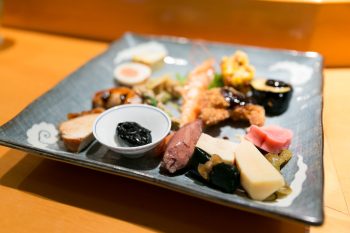
In contemporary casinos, the gaming is not solely a point of attraction. Take a walk around any large-scale resort in Las Vegas, Atlantic City, or Macau. You would notice renowned personalities side by side with slot machines. And this phenomenon is not just an accident. Gambling companies have realized that involvement with famous chefs generates substantial profits.
In 2026, it’s becoming increasingly difficult to impress guests, which has led the gambling industry to constant development. It’s important to consider not only land-based establishments, but also online sites. Experts at the information portal Slotozilla note that casinos prioritize withdraw to australian bank, game selection, and security. All of this is also important at resorts offering gambling. Therefore, don’t forget to read reviews from professionals who help you solve important issues.
The transformation began in the early 2000s, when casinos recognized that high-end dining could shift their image from gambling halls to destination resorts. Today, celebrity chef restaurants have become standard features of competitive gaming properties. The strategy addresses fundamental challenges facing the industry: attracting new demographics, extending visit duration, and creating revenue streams independent of gaming luck.

Attracting Visitors
Celebrity chefs function as powerful magnets for foot traffic. A recognizable name attached to a restaurant draws visitors who might never enter a casino otherwise. Food enthusiasts, tourists seeking Instagram-worthy experiences, and fans of cooking shows all become potential guests at gaming complexes through the dining entrance.
According to data from the Nevada Gaming Control Board, Las Vegas Strip casinos generated $28.5 billion in total revenue in 2024, with dining accounting for 18.5% of all income at these properties. This percentage has grown steadily over decades, demonstrating that food has evolved from a loss leader to a primary business driver.
The visitor attraction effect works through multiple channels:
- Television exposure creates built-in audiences familiar with chef personalities
- Social media posts from diners generate organic marketing
- Food critics and travel publications feature celebrity restaurants in destination guides
- Word-of-mouth recommendations extend reach beyond traditional casino marketing
Gaming complexes in regional markets have adopted the same approach. Foxwoods Resort Casino in Connecticut and MGM National Harbor in Maryland have recruited celebrity chef partnerships specifically to compete for visitors who have numerous entertainment options within driving distance.
Enhancing Brand Image
A Gordon Ramsay steakhouse or a Nobu outpost signals something specific about a property: quality, sophistication, and attention to detail. These associations transfer from the restaurant to the gaming complex as a whole. Guests who dine at a Michelin-starred restaurant within a casino perceive the entire property differently than they would a casino with only buffets and coffee shops.
Brand elevation matters particularly for properties targeting higher-income demographics. High rollers expect luxury across all touchpoints of their visit. A celebrity chef restaurant confirms that a property meets their standards, making them more likely to return and recommend the venue to peers.
Let’s look at the important points:
| Brand Impact Factor | Effect on Gaming Complex |
| Chef television presence | Instant recognition and credibility |
| Michelin stars or awards | Positions property as luxury destination |
| Exclusive menu items | Creates differentiation from competitors |
| Design and ambiance | Elevates overall property aesthetics |
| Media coverage | Free publicity in food and travel press |
| Celebrity visits | Generates social proof and buzz |
The prestige effect extends to corporate and group business. Companies booking conventions and events choose properties that offer impressive dining options for client entertainment. A reservation at a celebrity chef restaurant becomes part of the business hospitality package, justifying premium rates for meeting spaces and accommodations.
Diversifying Revenue Streams
Gaming revenue fluctuates. Economic downturns, regulatory changes, and increased competition all affect how many visitors wager. Dining revenue, while not immune to these factors, provides a more stable income source. Guests who lose at the tables still need to eat. Visitors celebrating wins often splurge on premium meals.
The numbers tell a compelling story. As reported by Statista, the global casino and online gambling industry reached $305.8 billion in market size as of April 2024, with approximately two million workers employed across five thousand establishments worldwide. Within this massive industry, food, and beverage operations represent an increasingly significant revenue component.
Las Vegas Strip casinos now derive only 26.1% of their income from gaming, according to Nevada Gaming Control Board data. Hotel rooms generate 34% of revenue, while dining contributes 18.5% and beverages add another 6.5%. This distribution would have been unimaginable decades ago when gambling dominated casino economics.
Additional revenue streams from celebrity partnerships include:
- Cookbook sales and branded merchandise
- Cooking classes and chef’s table experiences
- Private event bookings at premium rates
- Catering services for conventions and weddings
- Licensing fees from branded products sold in retail spaces
Celebrity chef restaurants command premium pricing that standard casino restaurants cannot achieve. A dinner for two at Hell’s Kitchen in Las Vegas easily exceeds $200 before drinks. The same guests might spend $50 at a typical casino steakhouse. The celebrity premium flows directly to the bottom line, as food costs remain relatively constant regardless of the name on the door.

Creating Unique Experiences
Today’s consumers rank their priorities for spending money on experiences, rather than on things. A glowing dinner at a celeb chef restaurant produces tales to tell, photographs to post and memories to maintain. Such experiences-oriented gaming resorts are not just competing against other casinos, but against all the entertainment options that potential visitors can get their hands on.
The fact that it’s exclusive is a big part of the appeal. Booking a table at a well-known celeb hot spot involves a bit of planning, and a bit of luck. This rarity increases the value. Patrons feel as though they’ve accomplished something by eating at a restaurant that’s not everyone’s idea of a quick meal.
Celebrity chef restaurants create experiences unlike anything you can have at home. The theatrical delivery of dishes, the access to well-informed front of house staff, the meticulously researched environment and the quality of ingredients all amalgamate into something so much more than nutrition. Visitors leave with more than full stomachs. They walk away with moments that justify the journey, and beckon them back for more.
Cross-Promotion Opportunities
Celebrity chefs bring established audiences and media relationships that gaming complexes can leverage. A new restaurant opening generates press coverage that property marketing budgets could never purchase directly. Food critics, lifestyle journalists, and social media influencers all cover celebrity chef news, extending reach to demographics that traditional casino advertising misses.
The promotional synergy works in multiple directions. Chefs promote their restaurants through personal social media accounts, television appearances, and cookbook publicity. Gaming complexes feature restaurants in property advertising, loyalty program communications, and partnership marketing. Both parties benefit from the combined exposure.
Special events create additional promotional opportunities. Celebrity chefs hosting cooking demonstrations, wine dinners, or charity events generate news coverage and social media content. These events attract guests specifically for the chef appearance, introducing them to the gaming complex in a non-gambling context. Some percentage of these visitors become regular guests.
Conclusion
The rise of celebrity chef restaurants within gambling establishments implies wise business acumen, not mere trend chasing. This integration serves several operational needs simultaneously, such as luring new patronage, improving image, adding revenue channels, offering sharable moments, and providing marketing opportunities.
Economics have delivered over two decades of successful implementation. Properties that boast robust portfolios of celebrity chefs outperform their non-celebrity chef counterparts in all non-gaming revenue categories. As gaming competition intensifies via the internet and further legalization efforts, the importance of engaging on-property experiences escalates.
For gaming complexes, celebrity chef restaurants mean investment in relevancy. They convey that a destination resort has more to offer than gaming, more than hotels, more than entertainment. These restaurants hold the promise of unique experiences that make the trip worthwhile, loyalty that pays off, and the kind of buzz that advertising cannot buy. The celebrity chef in gaming complexes is not a trend; it is the new norm for a competitive resort destination.