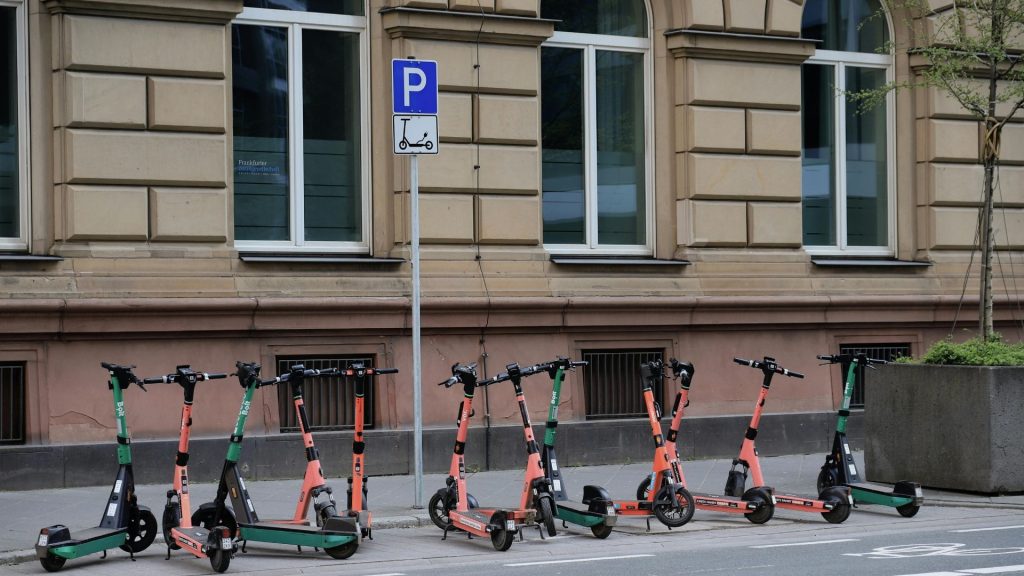
Let’s be honest, getting around without a car used to feel like a compromise. Now? It feels like an upgrade. Shorter commute times, zero parking headaches, and a fraction of the fuel cost. Personal electric transport has quietly shifted from quirky gadget territory into something millions of Americans actually depend on.
Ranges have improved. Prices have dropped. And the sheer variety of devices out there means you can find something that genuinely fits your life, not just something that looks cool on Instagram.
Electric Bikes: More Styles Than Most People Expect
The Main E-Bike Styles Worth Knowing
City and commuter e-bikes come equipped with upright riding positions, integrated lighting, fenders, and rack mounts, essentially everything a practical daily rider needs pre-installed. Hybrid and fitness models run lighter frames that handle both smooth pavement and light gravel without complaint.
Cargo e-bikes are purpose-built for hauling groceries, children, gear, and they’re one of the fastest-growing segments in the market right now. According to eBicycles.ai’s 2026 market report, cargo e-bikes are expanding at 24% year-over-year in the U.S.
Folding e-bikes, meanwhile, are the go-to solution for apartment dwellers and anyone whose commute involves a train or bus leg.
Fat Tire E-Bikes: Stability You Can Actually Feel
If your route involves rough pavement, gravel, or genuinely mixed terrain, fat tire e-bikes deserve serious consideration.
The wider tires, typically 4 inches or more, deliver noticeably better grip, natural shock absorption, and a more forgiving balance point. Beginners especially appreciate this. That wider contact patch with the ground just makes control feel instinctive, even when the road surface isn’t cooperating.
To compare models properly and see what’s available across a solid range of brands, Explore fat tire e-bikes that carry brands like BlueRev, Eunorau, and Magnum, ranging from folding commuter setups to genuine all-terrain builds.
The Components That Shape Real-World Performance
Motor placement is one of those details most buyers overlook until after they’ve purchased. Hub motors are simpler and less expensive; mid-drive motors handle elevation changes better and deliver a more natural pedaling feel.
Battery capacity determines your real-world range, and it’s worth noting that honest range is typically 20–30% lower than manufacturer specifications under everyday riding conditions. Hydraulic disc brakes cost more, but the stopping confidence in wet weather is genuinely worth it.
Personal Electric Transport at a Glance: What the Categories Are and Why They Matter
Personal electric transport is a broad umbrella. Under it, you’ll find e-bikes, electric scooters, hoverboards, e-skateboards, one-wheels, and compact e-mopeds. Each one has its own character. Some are purpose-built for long daily commutes. Others are better suited for short campus hops or weekend rides when you just want to enjoy the air.
Where Each Category Actually Performs Best
City commuters almost always end up gravitating toward e-bikes and commuter scooters; the stability and range simply make sense for that kind of daily grind. Campus riders and people making short trips tend to lean toward hoverboards or lighter scooters.
If you’re adventurous and your route involves gravel, hills, or anything resembling a trail, fat tire e-bikes and off-road scooters with real suspension enter the picture.
Owning vs. Renting: The Honest Breakdown
Buying makes financial sense if you’re riding regularly. Rental fleets are smarter for occasional use, or for testing a device type before you commit real money. Ownership carries a higher upfront cost but wins out long-term, particularly when you factor in how inexpensive electric charging actually is day to day.
Now let’s get specific. Each major device category deserves its own honest look.
Electric Scooters: Matching the Right Class to Your Actual Needs
The types of electric scooters available today span an enormous range, from ultra-compact folders that weigh less than a backpack to dual-motor performance machines that frankly intimidate first-time riders. Buying the wrong class for your use case is one of the most common and frustrating mistakes in this category.
How Scooter Classes Break Down
Ultra-portable scooters come in under 25 pounds and are designed specifically for last-mile trips. Commuter scooters balance speed, range, and tire quality for round-trip distances of 5–15 miles.
Performance scooters prioritize top speed and extended range but are heavy, expensive, and probably overkill for most people. Seated e-scooters offer a comfort advantage on longer rides without the physical demand of standing throughout the trip.
Matching Scooter Type to Environment
Rough city streets are genuinely punishing on solid tires; pneumatic tires and real suspension make a meaningful difference in ride quality and your long-term enjoyment. If your commute involves trains or buses, lightweight folding designs aren’t optional; they’re essential.
For riders in wet climates, IP ratings and proper fender coverage protect both your comfort and the scooter’s longevity.
Hoverboards and E-Skateboards: Skill-Based, Compact, and Genuinely Enjoyable
Hoverboards and e-skateboards sit in a different corner of the micromobility world. They demand more skill than an e-bike, carry less cargo than a scooter, and offer a kind of riding experience that, for the right person, nothing else quite replicates.
Hoverboards for Short-Range Practical Use
Hoverboards rely on gyroscope sensors for self-balancing, which makes them surprisingly approachable on smooth, flat surfaces. Campus paths and short indoor-to-outdoor hops are genuinely where they shine. One non-negotiable: check for UL 2272 battery certification before buying. Uncertified hoverboards have caused documented fire incidents; this isn’t fine print worth skipping.
E-Skateboards for More Experienced Riders
Electric longboards deliver carving performance and respectable range for confident riders. Belt-drive motors feel more responsive and natural; hub-drive motors run quieter and require less maintenance. Whichever drivetrain you choose, a helmet and wrist guards are simply part of the package at riding speed, not an afterthought.
How to Choose Personal Electric Transport That Actually Works for Your Life
The process of choosing personal electric vehicle options becomes much more manageable once you define your actual use case first. Not the device with the best specs sheet. Not the one with the most enthusiastic Reddit reviews. The one that solves your specific, daily problem.
A Practical Framework for Narrowing It Down
– Short urban commutes under 5 miles → lightweight scooter or folding e-bike
– Mixed terrain or rough road conditions → fat tire e-bike
– Need to carry cargo or transport kids → cargo e-bike
– Casual rides on flat, smooth surfaces → hoverboard or e-skateboard
Sequence matters here. Define your distance, terrain, storage reality, and budget before you start comparing brands. Getting that order right saves you from expensive regrets.
Frequently Asked Questions
What’s the most beginner-friendly personal electric transport option?
Fat tire e-bikes and standard commuter e-bikes lead here. Their stability, familiar ride position, and pedal-assist systems make the learning curve genuinely gentle for most new riders.
Are hoverboards and e-skateboards legal to ride in public?
Most U.S. cities restrict both from public roads and sidewalks. Regulations vary significantly by state and municipality; checking local ordinances before riding anywhere outside private property is the right call, not optional.
How long does a quality e-bike or electric scooter last?
A well-maintained e-bike typically delivers 5–10 years of reliable use. Electric scooters generally run 3–5 years. Battery replacement, usually necessary somewhere between years 3 and 5, represents the largest recurring maintenance cost for both.
Can personal electric transport genuinely replace car commuting?
For commutes under 15 miles on navigable roads with secure storage available at both ends? Absolutely yes. Many riders report cutting their car use dramatically, saving hundreds of dollars monthly on fuel, parking, and vehicle maintenance combined.
Why This Decision Matters
Personal electric transport has moved well past novelty. For a growing portion of American commuters, it’s become a practical cornerstone of daily life. Whether an e-bike suits your need for fitness and range, a scooter makes more sense for dense urban environments, or something skill-based like an e-skateboard is calling your name, the right choice genuinely transforms how you experience your daily movement.
Start from your real use case. Verify local regulations. Don’t rush. The best electric ride isn’t the one with the most impressive spec sheet, it’s the one you’ll actually reach for every morning without a second thought.