Understanding eSports and Its Rapid Growth
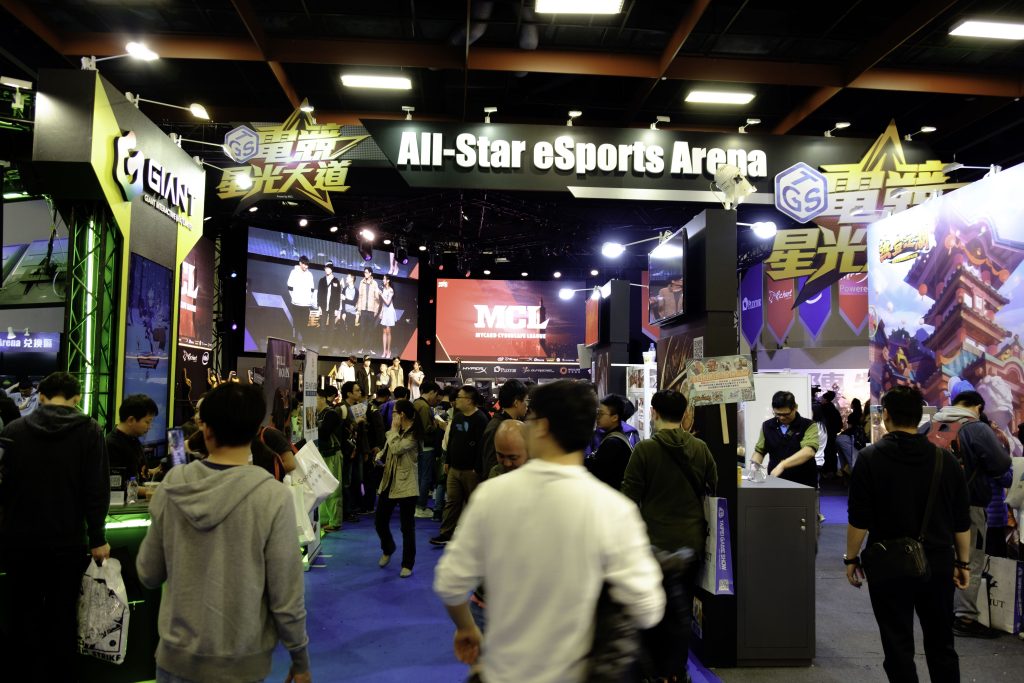
Over the last decade, eSports has transformed from a niche hobby into a global industry attracting millions of players and viewers. Competitive gaming tournaments now feature sophisticated production, sponsorship deals, and prize pools rivaling traditional sports. The rise of eSports highlights the growing appetite for interactive, skill-based entertainment that engages audiences both on-screen and in community spaces.
Restaurants, while operating in a different sector, can draw insights from the eSports model. Engagement is no longer passive; customers expect experiences that are interactive, rewarding, and responsive to their preferences. Data-driven platforms like RestaurantSnapshot.com can help operators track and analyze these expectations, translating them into actionable operational strategies.
iGaming Enters the Tournament Space
The convergence of eSports and iGaming is reshaping digital entertainment. Online casinos are increasingly experimenting with tournament-style gameplay, skill-based challenges, and live competitive events to replicate the excitement of eSports. By blending chance with skill, platforms aim to create more dynamic and engaging experiences for players.
In the Australian market, for example, players can access a seamless interface through a Lucky Wins casino login Australia, which provides entry into competitive online games while maintaining regulatory compliance. Features like real-time leaderboards, skill-based mini-games, and rewards systems mirror the interactive nature of eSports, making iGaming more appealing to a broader audience.
Lessons from Competitive Gaming for Restaurant Operators
The strategies that drive engagement in competitive gaming—timely feedback, performance tracking, and incentive structures—translate well into restaurant operations. By adopting a similar analytical approach, restaurants can enhance customer satisfaction, optimize workflows, and create loyalty programs that feel rewarding rather than generic.
Key Insights Restaurants Can Apply
- Performance Tracking: Just as gamers monitor their stats, restaurants can track table turnover, order accuracy, and service efficiency.
- Real-Time Feedback: Instant insights from customer surveys or digital ordering systems allow staff to address issues proactively.
- Reward Structures: Tiered loyalty programs encourage repeat visits, similar to how tournaments reward skill and participation.
- Community Engagement: Online leaderboards in eSports foster competition; restaurants can emulate this through social media engagement or themed challenges for loyal customers.
By combining these insights with operational analytics, restaurants can create measurable improvements in both guest experience and internal efficiency.
Comparing eSports-Style Engagement to Traditional Restaurant Incentives
| Feature | Traditional Restaurant Model | eSports-Inspired Restaurant Model |
| Feedback Mechanism | Post-visit reviews | Real-time insights through digital tools |
| Incentive Strategy | Occasional discounts | Tiered loyalty and challenge-based rewards |
| Customer Engagement | Passive | Interactive experiences and social media |
| Staff Motivation | Standardized performance evaluation | Gamified targets and real-time tracking |
| Operational Adaptability | Reactive adjustments | Data-driven proactive changes |
The comparison illustrates how adopting gamified, competitive principles can elevate service standards and guest satisfaction.
Building Engagement Through Gamification
Gamification principles, long used in gaming, can help restaurants maintain guest attention and encourage repeat visits. Small, measurable rewards and recognition of loyal customers drive engagement without requiring large-scale promotions.
Effective Gamification Techniques for Restaurants
- Digital punch cards linked to purchases
- Weekly or monthly challenges with rewards
- Recognition of top customers on social media
- Themed events encouraging participation
Such strategies mirror tournament structures in eSports, where small incentives and recognition sustain engagement over time.
Predictive Analytics: Applying Data to Anticipate Needs
In both eSports and iGaming, understanding patterns is crucial. Similarly, restaurants can leverage predictive analytics to optimize staffing, forecast demand, and personalize promotions. By studying trends in reservations, menu popularity, and customer feedback, operators can anticipate needs and enhance operational efficiency.
Predictive Analytics in Action
- Forecasting peak hours to improve staff allocation
- Identifying high-demand menu items for inventory management
- Tailoring promotions to customer preferences
- Detecting potential service bottlenecks before they occur
These practices allow restaurants to operate proactively, much like competitive gaming teams who plan strategy based on prior performance data.
Creating Immersive Experiences for Customers
Modern diners increasingly value experiences over simple transactions. Lessons from competitive gaming show that engagement rises when users feel challenged, rewarded, and part of a larger community. Restaurants can replicate this through interactive events, loyalty-based challenges, and personalized service.
Key Strategies for Immersive Dining
- Themed nights or culinary competitions
- Gamified reservation systems with reward points
- Social media campaigns highlighting top customers or unique experiences
- Staff recognition programs that enhance service quality
These immersive experiences not only boost satisfaction but also reinforce long-term loyalty.
Sustaining Growth Through Data and Engagement
The intersection of eSports and iGaming highlights the value of performance tracking, engagement incentives, and community building. For restaurants, these lessons translate into a focus on measurable improvements, guest-centered operations, and data-informed decision-making.
By embracing competitive principles and analytics-driven strategies, restaurants can anticipate trends, enhance guest satisfaction, and maintain a sustainable competitive advantage in a fast-evolving industry. Combining insights from gaming and hospitality offers a roadmap for success in a market where customer engagement and operational efficiency are increasingly intertwined.