The professional food supply industry has transformed dramatically over the years, reshaping how ingredients are sourced, stored, delivered, and prepared. What once relied heavily on local relationships and traditional practices has grown into a sophisticated, technology-driven sector governed by high standards. The evolution of these standards has been driven by changing consumer expectations, food safety priorities, innovation, and the increasing need for transparency and accountability within the industry.
Early Approaches to Food Supply
Historically, professional food supply was based on trust and familiarity. Restaurants, caterers, and retailers would often purchase ingredients from local markets or small independent suppliers. Quality checks were basic, and standards varied widely depending on region and supplier. While this model supported local economies and seasonal eating, it lacked consistency. As demand for dining out and convenience foods increased, it became clear that a more structured approach to food supply was needed.
The Rise of Regulation and Safety Standards
Food safety became a defining focus as the industry expanded. Incidents related to contamination and poor handling highlighted the need for rigorous standards across the supply chain. Over time, professional guidelines emerged to regulate hygiene, temperature control, transportation, and supply traceability. These developments laid the foundation for modern food safety systems used in commercial kitchens, schools, hospitals, and hospitality venues today.
The concept of “farm to table” evolved beyond a trend, becoming a practical framework for accountability. Setting clear expectations around how food should be produced and delivered not only increased consumer confidence but also helped businesses maintain consistent quality across every plate served.
Technology’s Impact on Food Supply Standards
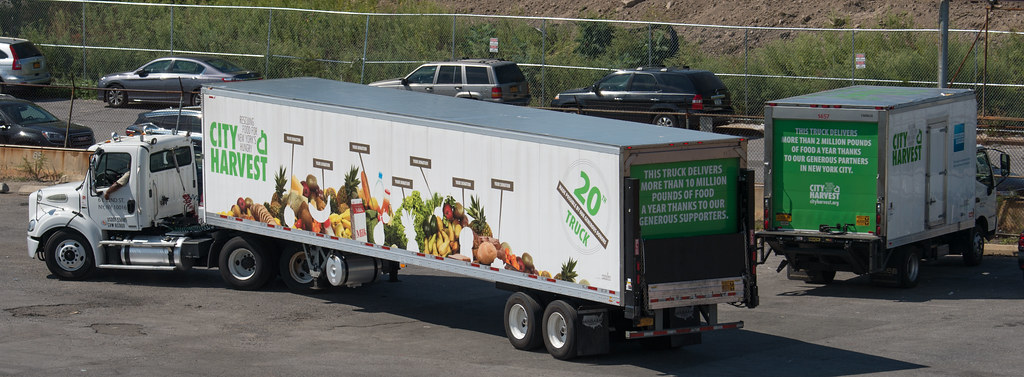
The introduction of technology accelerated the transformation of food supply practices. Digital traceability systems, temperature-controlled logistics, automated stock rotation, and advanced packaging have enhanced food quality and shelf life. Real-time tracking tools now allow businesses to monitor their supply chains from origin to delivery, reducing waste and improving planning.
Technology also opened the door to more innovative menus and global sourcing. Chefs and foodservice professionals can access diverse ingredients from around the world, knowing that modern logistics and quality assurance processes will maintain freshness and safety.
Sustainability and Ethical Sourcing
Today’s consumers expect more than good flavor and presentation; they want to know where their food comes from, how it was produced, and whether it aligns with ethical values. This shift has significantly influenced professional food supply standards.
Suppliers now face increased demand for transparency in farming practices, fair trade, animal welfare, and environmental stewardship. Reduced plastic packaging, carbon-conscious deliveries, and partnerships with responsible producers are becoming standard expectations, rather than optional extras. This evolution has encouraged suppliers and businesses alike to rethink their impact and prioritize long-term sustainability over short-term convenience.
Partnership Over Transaction
Modern professional food supply is no longer purely transactional. Businesses seek suppliers who provide guidance, innovation, and support beyond the delivery of goods. A trusted foodservice manufacturer can help clients elevate their offerings, streamline their kitchen processes, and meet evolving consumer preferences.
Training, menu development assistance, and access to trend insights form part of the value that leading suppliers offer today. This collaborative approach strengthens the entire food ecosystem, as suppliers actively contribute to improving standards across the industry.
Preparing for the Future of Food Supply
Standards will continue to evolve as the demands of the food and hospitality sectors shift. Areas such as nutrition transparency, allergen management, eco-friendly operations, and the influence of artificial intelligence are likely to shape the next chapter of professional food supply.
Businesses that embrace change rather than resist it will remain competitive and appealing in the eyes of customers. Prioritizing high standards is no longer optional; it’s essential for longevity, reputation, and customer satisfaction.
The evolution of the professional food supply sector reflects the changing expectations of society. From traditional local buying to global sourcing with strict quality frameworks, the journey has been defined by a commitment to do better. The future promises even greater advancements, guided by innovation, responsibility, and a continued dedication to excellence in every ingredient that reaches the plate.