Food trends spread faster than ever. A street snack in Bangkok or a fusion dish in Mexico City can become a global favorite within months. For chefs, restaurateurs, and curious travelers, keeping up with what’s shaping the world’s palate is essential.
Exploring food trends today isn’t only about tasting new flavors, it’s about using the right mix of resources, curiosity, and practical tools to understand what people are eating and why.
Why Following Food Trends Matters
The global food scene never stands still. People’s tastes evolve quickly, influenced by social media, cultural exchanges, and even travel habits.
A Technomic report found that 68% of consumers worldwide are more open to trying new foods than they were five years ago. That openness creates opportunity. Restaurants can introduce new menu items early, food creators can reach new audiences, and travelers can experience cultures through their kitchens.
Staying aware of what’s trending globally helps businesses innovate and helps travelers eat smarter and more adventurously.
Exploring Food Trends Abroad
To truly understand a trend, sometimes you need to experience it where it started. But accessing local insights can be tricky, especially in countries where some sites or social media platforms are restricted.
When researching or traveling in places like China, using ExpressVPN China helps travelers securely access global food content and local online reviews. That way, you can see what local food lovers are actually talking about on Chinese platforms like Dianping or Weibo.
This kind of access offers a more complete picture of what’s trending from street vendors in Chengdu to high-end dining in Shanghai.
Easy Ways to Track What’s Trending
You don’t need expensive analytics software to spot what’s popular in the food world. Many accessible tools and platforms can help anyone from chefs to food bloggers stay current.
Here are a few worth using:
- Google Trends – See where certain dishes or ingredients are gaining attention. It’s a quick way to spot rising searches for “plant-based desserts” or “Korean street food.”
- Pinterest – Great for seeing what home cooks and bakers are sharing. Recipe trends often start here before hitting restaurants.
- Instagram and TikTok – Hashtags like #FoodTok or #GlobalEats show real-time shifts in what’s exciting diners worldwide.
- YouTube Food Channels – Creators often travel to explore street food scenes, giving viewers a close look at emerging flavors and techniques.
- Local Review Sites – Platforms like Google Maps, Yelp, or TripAdvisor often highlight popular dishes in different regions before they go global.
These tools don’t just reveal new flavors, they show how people connect through food.
Learning from Local Voices
Data can tell you what’s popular, but locals can tell you why. Engaging with local food communities is the most authentic way to understand a trend’s story.
Follow regional food bloggers, join online cooking groups, or simply talk to street food vendors. Ask what ingredients people are excited about, or which traditional dishes are being reimagined.
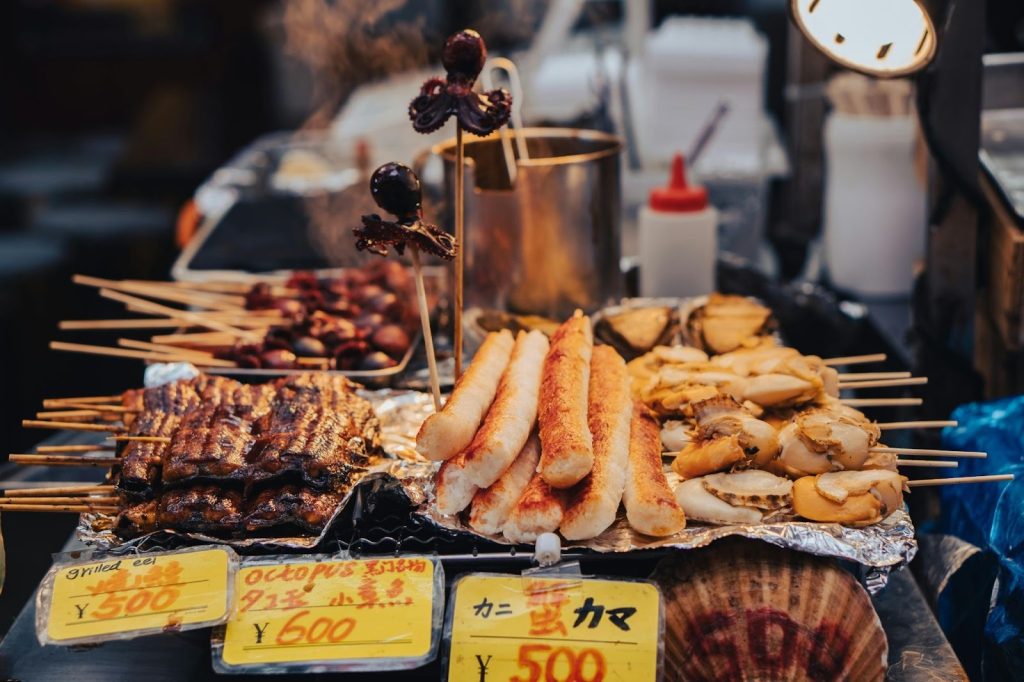
Many of today’s biggest global food movements like bubble tea, birria tacos, or poke bowls started as small, regional favorites before gaining global appeal. Locals often know what’s next long before it appears in international headlines.
Useful Gear for Food Adventures
When you’re exploring night markets or remote food destinations, having the right gear can make a huge difference. Good lighting is especially helpful for late-evening food hunts or photography. Compact tools like Surefire flashlights are reliable companions for travelers, helping illuminate dark alleys, food stalls, or outdoor dining spots.
They’re also durable enough for travel, offering extra visibility and safety without taking up much space in your bag. Practical gear lets you focus fully on the experience — the sights, smells, and flavors that define a destination.
Festivals and Food Markets: Real-World Research
Food festivals and markets are living laboratories for culinary trends. They reveal what’s inspiring chefs and consumers right now.
Events like Anuga in Germany, SIAL in Paris, or even smaller regional food fairs across Asia and the U.S. highlight innovation in ingredients, preparation styles, and presentation.
If travel isn’t an option, many of these festivals now livestream panels and tastings online. Watching them provides firsthand exposure to how global tastes are changing from plant-based proteins to new fermentation methods.
Staying Comfortable While You Explore
Exploring global food culture often means long flights, market visits, and hours spent walking through neighborhoods. Comfort matters.
Many travelers prefer relaxed, breathable clothing that can transition from casual cafes to bustling food stalls. Something as simple as a baseball jersey works well as it is light, loose, and stylish enough to wear while sampling dumplings in Taipei or coffee-hopping in Berlin.
Blending practical comfort with a sense of adventure helps you stay focused on what matters most: the food and the experience.
Seeing the Cultural Side of Food
Food is never just food. It’s connected to fashion, music, and lifestyle. Global dining today is about culture as much as cuisine.
Think of how casual wear appears in restaurants and food videos. It reflects a relaxed, approachable attitude toward dining, one that values authenticity over formality. The rise of laid-back dining spaces and street food-inspired menus mirrors that same energy.
Understanding these broader cultural signals helps explain why certain foods catch on. People aren’t just eating new dishes, they’re embracing new ways of expressing identity through what and how they eat.
Final Thoughts
Discovering global food trends is easier and more rewarding than ever. With simple online tools, conversations with locals, and an open mind, anyone can tap into the global rhythm of what’s cooking next.
The key isn’t just finding what’s popular. It’s learning the stories, people, and cultures behind every dish. That’s where real food discovery begins.