The cannabis industry has grown rapidly in recent years, giving consumers access to a wider variety of flower products than ever before. From different strains and cultivation methods to varying cannabinoid and terpene profiles, the choices can seem overwhelming. While variety is beneficial, it also makes it more important for consumers to understand what separates high-quality cannabis flower from average or lower-grade products.
Many people assume that cannabis quality is determined solely by THC content, but experienced consumers and industry professionals know the reality is far more complex. Factors such as cultivation practices, curing methods, freshness, aroma, and overall plant health all contribute to the final experience. Understanding these elements can help consumers make informed decisions and better appreciate the craftsmanship behind quality cannabis flower.
Why Quality Matters Beyond Potency
One of the most common misconceptions in the cannabis market is that higher THC automatically means better quality. While potency certainly plays a role, it is only one piece of a much larger picture. A flower with moderate THC levels can often provide a more enjoyable and balanced experience than a product that focuses solely on strength.
Cannabis experts increasingly emphasize the importance of the relationship between cannabinoids and terpenes. This combination influences aroma, flavor, and the overall characteristics that consumers experience. As research continues to evolve, many professionals advocate for evaluating cannabis based on its complete profile rather than a single laboratory number.
Quality also affects consistency. Well-produced flower is more likely to deliver predictable results from one purchase to the next. Consumers who understand quality indicators can better identify products that align with their preferences and avoid disappointment caused by inconsistent cultivation or processing standards.
The Impact of Cultivation Practices
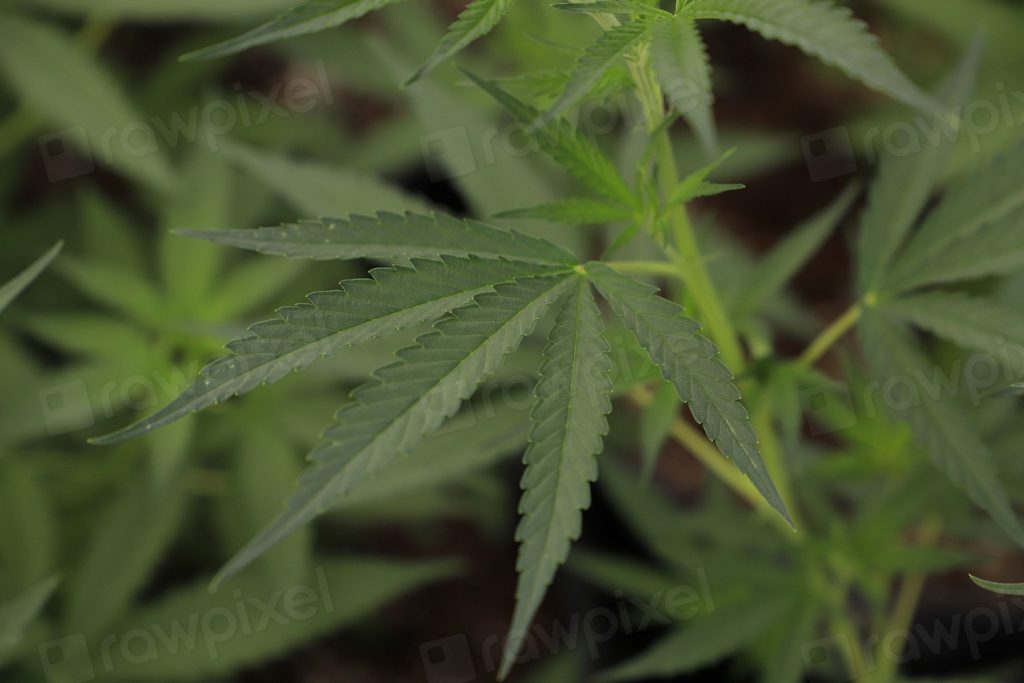
The foundation of quality cannabis begins during cultivation. Every stage of plant growth requires careful management of environmental conditions such as lighting, temperature, humidity, and nutrient availability. Small mistakes during cultivation can significantly affect the final product.
Skilled growers focus on maintaining plant health throughout the entire growing cycle. Healthy plants tend to develop stronger cannabinoid profiles and more robust terpene production. Proper nutrient management also helps prevent issues that can negatively affect flavor, aroma, and overall flower appearance.
Consumers looking to evaluate products should pay attention to information about growing practices whenever available. Whether purchasing in person or choosing to buy weed flowers online, understanding cultivation methods can provide valuable insight into the quality and care invested in the final product.
Recognizing Quality Through Appearance
Visual inspection remains one of the simplest ways to evaluate cannabis flower. While appearance alone cannot determine overall quality, it often provides useful clues about cultivation, harvesting, and handling practices. Healthy flower generally displays vibrant coloration and well-developed bud structure.
Trichomes are among the most important visual indicators. These tiny resin glands contain cannabinoids and terpenes and often give quality flower a frosty appearance. Abundant trichome coverage typically suggests careful cultivation and proper harvesting techniques that preserve valuable plant compounds.
Lower-quality products may show signs of poor handling or cultivation. Excessive stems, overly dry texture, loose bud formation, discoloration, or visible damage can all indicate issues during production. Taking time to examine appearance can help consumers identify products that meet higher quality standards.
Understanding the Importance of Aroma and Terpenes
Aroma is one of the most distinctive characteristics of cannabis flower and often reveals important quality information. The scent of cannabis comes primarily from terpenes, naturally occurring compounds that contribute to the unique profiles found in different strains.
High-quality flower typically produces a strong and complex aroma when the package is opened. Depending on the strain, consumers may notice citrus, pine, fruit, floral, earthy, or spicy notes. Rich aromatic profiles often indicate that the flower has been cultivated, cured, and stored correctly.
In contrast, weak or unpleasant aromas can signal quality concerns. Cannabis that smells stale, musty, or similar to dried hay may have been improperly cured or stored. Since terpene preservation is closely linked to overall quality, aroma remains one of the most valuable indicators available to consumers.
Why Proper Curing Makes a Difference
After harvest, cannabis flower undergoes a drying and curing process that significantly affects its final quality. Proper curing allows moisture levels to stabilize while preserving cannabinoids and terpenes. This stage requires patience and careful environmental control.
Well-cured cannabis generally offers smoother consumption, improved flavor, and better aroma retention. The flower should feel slightly springy to the touch rather than excessively dry or damp. A proper cure also helps maximize the plant’s natural characteristics while reducing harshness.
Poor curing can diminish the quality of even the most carefully grown cannabis. Overly dry flower may lose valuable terpenes and become unpleasant to use, while excessive moisture can create storage and safety concerns. Understanding the role of curing helps consumers appreciate why production methods matter so much.
Freshness and Storage Considerations
Freshness plays a major role in preserving cannabis quality. Over time, exposure to air, heat, light, and fluctuating humidity levels can gradually degrade cannabinoids and terpenes. Even premium flower can lose many of its desirable characteristics if stored improperly.
Responsible producers and retailers invest in packaging solutions designed to protect product integrity. Proper containers help maintain freshness by limiting exposure to environmental factors that accelerate degradation. Consumers should also follow recommended storage practices after purchase.
Checking packaging information when available can provide valuable insight into product freshness. Harvest dates, packaging dates, and storage recommendations can help buyers make informed decisions and select products that are more likely to deliver their intended aroma, flavor, and overall quality.
Conclusion
Understanding quality differences in cannabis flower requires looking beyond simple potency measurements. Factors such as cultivation methods, visual appearance, terpene profiles, curing practices, and freshness all contribute to the overall experience. Consumers who learn to evaluate these characteristics gain a deeper understanding of what makes one product stand out from another.
As the cannabis market continues to expand, informed purchasing decisions become increasingly important. By focusing on the indicators that truly matter, consumers can confidently identify quality flower, make better choices, and enjoy a more rewarding cannabis experience that reflects the care and expertise invested in the cultivation process.