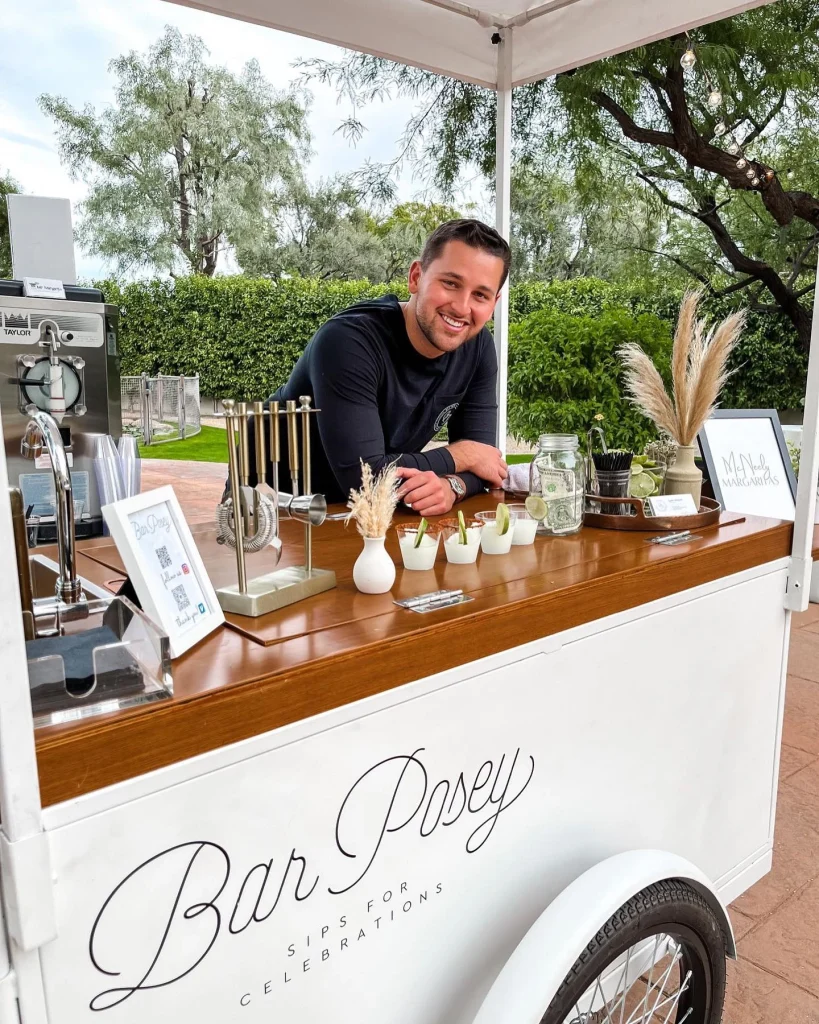
The coffee industry continues to thrive as consumers seek convenience, quality, and unique experiences. For aspiring entrepreneurs, one of the biggest decisions is whether to launch a coffee cart or invest in a traditional coffee shop. With the growing popularity of mobile coffee businesses and specialized coffee cart solutions, entrepreneurs have more options than ever before. Companies such as coffee carts from Ferla Bikes: https://ferlabikes.com/coffee-carts, offer turnkey mobile café setups that make entering the coffee industry more accessible than ever. Both business models can be profitable, but they differ significantly in startup costs, operational complexity, customer experience, and growth potential.
So, which business model wins? The answer depends on your goals, budget, and target market. Let’s compare the two options across the factors that matter most.
Startup Costs
Coffee Cart
A coffee cart is one of the most affordable ways to enter the coffee business. Entrepreneurs can often launch a fully equipped cart for a fraction of the cost of a brick-and-mortar café.
Typical expenses include:
- Coffee cart or trailer
- Espresso machine and grinder
- Permits and licenses
- Initial inventory
- Branding and signage
Startup costs generally range from $10,000 to $50,000, depending on equipment quality and local regulations.
Coffee Shop
Opening a coffee shop requires a much larger investment. Beyond equipment and inventory, owners must secure a commercial space, renovate the interior, purchase furniture, and manage ongoing lease expenses.
Typical startup costs include:
- Commercial lease deposits
- Renovation and interior design
- Professional coffee equipment
- Furniture and décor
- Staff hiring and training
- Marketing and launch expenses
Startup costs commonly range from $80,000 to $300,000 or more.
Winner: Coffee Cart
For entrepreneurs with limited capital, the coffee cart offers a far lower barrier to entry.
Operational Flexibility
Coffee Cart
Mobility is the greatest advantage of a coffee cart. Operators can serve customers at:
- Farmers markets
- Festivals
- Corporate events
- Office parks
- University campuses
- Sporting events
If one location underperforms, the cart can move elsewhere with minimal disruption.
Coffee Shop
A coffee shop operates from a fixed location. While consistency can build a loyal customer base, success often depends heavily on foot traffic and local demographics.
Relocating a coffee shop is costly and time-consuming.
Winner: Coffee Cart
The ability to move and test different markets provides a significant competitive advantage.
Revenue Potential
Coffee Cart
Coffee carts generally serve fewer customers per day and have limited menu offerings due to space constraints. Revenue may fluctuate based on weather, events, and seasonal demand.
While successful carts can generate impressive profits, growth is often limited by physical capacity.
Coffee Shop
A coffee shop can offer:
- Specialty drinks
- Food items
- Bakery products
- Merchandise
- Catering services
Additional seating encourages longer visits and larger purchases. Multiple revenue streams create stronger earning potential over time.
Winner: Coffee Shop
The larger footprint allows for significantly higher sales volumes and average order values.
Customer Experience
Coffee Cart
Coffee carts excel at convenience and speed. Customers appreciate grabbing a quality coffee on the go.
However, carts typically lack:
- Indoor seating
- Wi-Fi
- Comfortable ambiance
- Extended menu options
Coffee Shop
Coffee shops provide an immersive experience. Customers often use cafés as:
- Meeting spaces
- Remote work environments
- Social gathering spots
- Study locations
The atmosphere becomes part of the product.
Winner: Coffee Shop
A café can create deeper customer relationships through environment and community.
Staffing Requirements
Coffee Cart
Many coffee carts can be operated by a single owner or a small team. Lower staffing requirements reduce payroll expenses and simplify management.
Coffee Shop
Coffee shops typically require multiple employees to cover shifts, food preparation, cleaning, and customer service.
Managing a larger team increases operational complexity and labor costs.
Winner: Coffee Cart
Simpler staffing means lower overhead and fewer management challenges.
Scalability
Coffee Cart
Scaling often involves adding additional carts or expanding into event services. While possible, growth can become operationally challenging as multiple mobile units require coordination.
Coffee Shop
Coffee shops offer several expansion paths:
- Multiple locations
- Franchising
- Roasting operations
- Wholesale distribution
- Online sales
The business can evolve into a recognizable local or regional brand.
Winner: Coffee Shop
A traditional café provides more opportunities for long-term expansion.
Risk Level
Coffee Cart
Lower startup costs mean lower financial risk. Entrepreneurs can test concepts, menus, and locations without committing to large leases or expensive renovations.
Coffee Shop
The larger investment increases financial exposure. Poor location selection, rising rent, or economic downturns can significantly impact profitability.
Winner: Coffee Cart
The lower investment makes it easier to recover from mistakes and adapt to market conditions.
Which Model Is Right for You?
Choose a coffee cart if you:
- Have a limited startup budget
- Want flexibility and mobility
- Prefer a lean operation
- Want to test the market before expanding
- Are comfortable working events and outdoor locations
Choose a coffee shop if you:
- Have access to greater capital
- Want to build a long-term brand
- Value creating a unique customer experience
- Plan to expand into multiple revenue streams
- Want higher revenue potential
Final Verdict
If the goal is to start quickly with minimal risk and lower investment, the coffee cart is the clear winner. Its flexibility, affordability, and ease of operation make it an attractive option for first-time entrepreneurs.
However, if the objective is to build a scalable brand with higher revenue potential and stronger customer loyalty, the coffee shop ultimately comes out ahead. While it requires greater capital and carries more risk, a successful café can become a cornerstone business within its community.
Many successful coffee entrepreneurs begin with a mobile setup, establish a loyal customer base, and later expand into a permanent location. This approach allows business owners to validate demand while minimizing financial risk. Whether you choose a coffee cart or a traditional coffee shop, success ultimately depends on delivering exceptional coffee, outstanding customer service, and a memorable brand experience.