Sulfites in wine are far less dramatic than their reputation. They occur naturally during fermentation, are commonly added as a preservative, and must be declared on US labels at 10 parts per million or more. Red wine does not carry more of them than white, dried fruit can carry far more than any glass of wine, and research points away from sulfites as the usual cause of red wine headaches.
For a small group of people, particularly some with asthma, sulfite sensitivity is real and worth taking seriously. For most drinkers, the “contains sulfites” line is a label rule, not a warning sign.
Here are six common myths, one at a time, with what regulators and researchers actually say.
Key takeaways
- US wines must say “Contains sulfites” when sulfites reach 10 ppm or more, measured as total sulfur dioxide.
- UC Davis researchers say white wines contain the same amount of sulfites as reds.
- USDA organic wine can’t have added sulfites; wine “made with organic grapes” can have up to 100 ppm.
- Dried apricots can contain up to 2,000 mg/kg of sulphites, roughly ten times the EU limits for wine.
- Sulfite sensitivity is real for some people, especially some asthmatics, so they should follow medical advice.
Six sulfite myths at a glance
| Myth | Fact |
|---|---|
| Sulfites cause red wine headaches | Unlikely for most people; researchers now point to other compounds |
| Red wine has more sulfites than white | Whites contain as much, and EU limits allow whites more |
| “Contains sulfites” means a heavily treated wine | It is triggered at just 10 ppm, and fermentation makes some naturally |
| Organic wine is sulfite-free | No added sulfites, but natural ones remain; “sulfite free” claims aren’t allowed |
| Wine is the biggest sulfite source in your diet | Dried fruit can carry far more |
| Sulfite sensitivity is made up | It is real for a minority, including some people with asthma |
Myth 1: Sulfites cause red wine headaches
This is the big one. Writing for The Conversation, republished by UC Davis, enologist Andrew Waterhouse and researcher Apramita Devi point out that your body produces about 700 milligrams of sulfites a day as it metabolises protein, and that the 20 milligrams in a glass of wine are unlikely to overwhelm the enzymes that process them.
Their team’s research instead points at quercetin, a compound in grape skins. Their explanation is that a form of quercetin in the body can interfere with alcohol metabolism, letting acetaldehyde build up, which can cause headaches and flushing. The authors are clear that human trials comparing high- and low-quercetin wines are the next step, so treat it as a strong lead, not a settled answer.
The European Food Information Council is similarly direct in its sulphite explainer: the belief that sulphites in wine cause headaches and hangovers is, in most cases, not true.
If sulfites were the headache trigger, white wine would be the bigger offender. It isn’t, so look elsewhere.
Myth 2: Red wine has more sulfites than white
It is the reverse of what most people assume. The UC Davis authors state that white wines contain the same amount of sulfites as red wines. EU rules actually allow white and rosé wines more: EUFIC lists maximums of 150 mg/L for red wine and 200 mg/L for white and rosé.
The practical upshot for drinkers is simple. Switching from red to white to avoid sulfites doesn’t work, and it may even do the opposite. If a particular red bothers you, the cause is more likely something in the grape skins than the preservative.

Myth 3: “Contains sulfites” marks a heavily treated wine
The US threshold is low. Under 27 CFR 4.32, a wine label must declare sulfites when sulfur dioxide or a sulfiting agent is detected at 10 or more parts per million, measured as total sulfur dioxide. The rule applies to wine bottled on or after July 9, 1987. The label can say “Contains sulfites”, “Contains (a) sulfiting agent(s)” or name the specific agent.
Because yeast produce some sulfur dioxide during fermentation, many wines would hit that threshold with nothing added. The Alcohol and Tobacco Tax and Trade Bureau lets a producer omit the statement only when TTB lab analysis supports a level below 10 ppm, and it allows wording such as “Contains less than 10 ppm sulfites” or “No sulfites detected”.
What a “no sulfites” claim can and can’t say
- Allowed with lab support: “Contains less than 10 ppm sulfites”, “No sulfites detected”, “No detectable sulfites”.
- Not allowed: “sulfite free”, “free of sulfites” or “contains no sulfites”.
- “Sulphites” is an accepted alternative spelling on US labels.
Myth 4: Organic wine is sulfite-free
Organic does not mean zero. The USDA explains two distinct label categories under the National Organic Program:
- Organic wine: certified organic grapes and winemaking, and sulfites cannot be added. Wine naturally produces some, so the bottle still contains a small amount.
- Made with organic grapes: the grapes must be 100% certified organic, and sulfites may be added up to 100 ppm.
If you’re trying to minimise sulfites, the “organic wine” category is the one to look for, not simply the word organic somewhere on the label. And even then, TTB’s ban on “sulfite free” wording tells you something: small natural amounts remain.
Myths 5 and 6: Wine is the big sulfite source, and sensitivity isn’t real
Myth 5: Wine is the biggest sulfite source in your diet
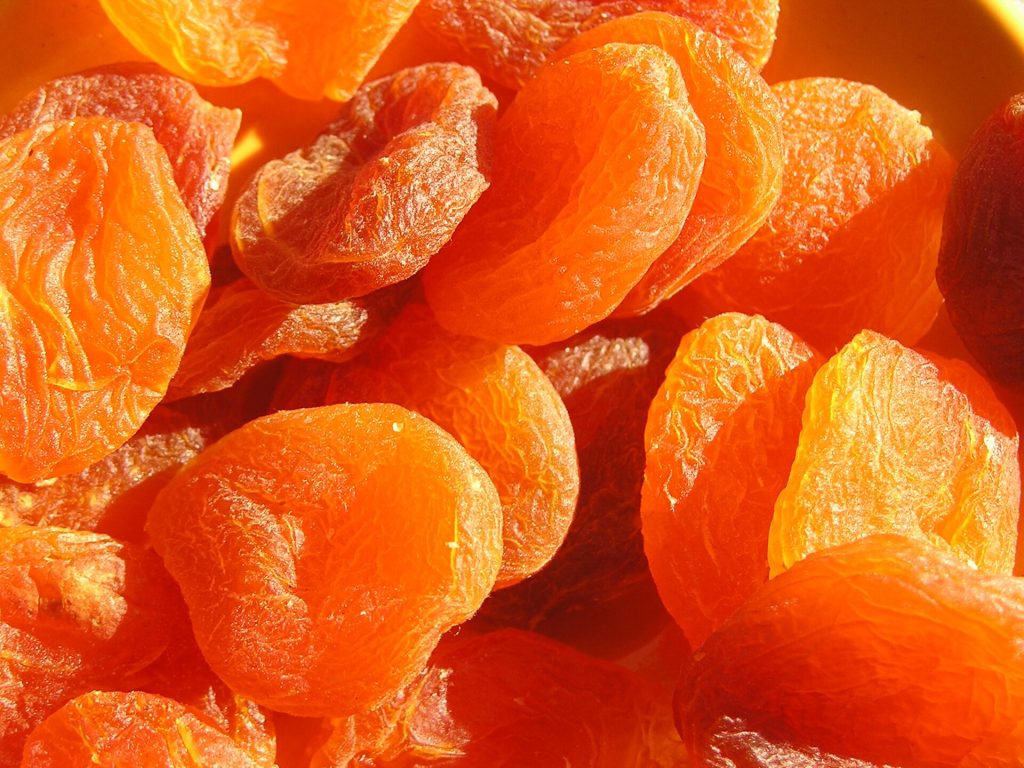
Not even close for many foods. EUFIC notes that dried apricots can contain up to 2,000 milligrams of sulphites per kilogram, roughly ten times the permitted levels for wine. In the US, sulfites must be declared on food labels at 10 ppm or more, according to the University of Nebraska-Lincoln’s Food Allergy Research & Resource Program.
So someone who snacks on bright orange dried apricots without a problem is unlikely to be reacting to the sulfites in their wine.
Myth 6: Sulfite sensitivity isn’t real
It is real, just uncommon. EUFIC says 3 to 10% of asthmatics experience adverse reactions after consuming sulphites, usually from foods with far higher levels than wine. The FARRP summary of FDA policy notes that the FDA prohibits sulfites on fruits and vegetables intended to be served raw or presented fresh to the public, and that it has recorded deaths among sulfite-sensitive asthmatics.
If you think you react to sulfites, talk to a doctor or allergist rather than self-diagnosing from a wine label.
FAQ
Do all wines contain sulfites?
Nearly all contain at least some, because fermentation produces them. Wines at 10 ppm or more must say so on US labels.
Does white wine have fewer sulfites than red?
No. UC Davis researchers say whites contain the same amount, and EU limits allow white wine more than red.
Is organic wine lower in sulfites?
Wine labelled “organic wine” under USDA rules has no added sulfites. Wine “made with organic grapes” can contain up to 100 ppm.
Can a wine label say “sulfite free”?
Not in the US. TTB does not permit “sulfite free” or “contains no sulfites”, though lab-tested wines can say “No sulfites detected”.
How to shop the wine list with the facts
Next time you order, choose the wine for its style, not its sulfite line. If red wine gives you headaches, try a lower-tannin red or a smaller pour with food and water, and keep notes on what you drank. Want more myth-busting? Browse our drinks coverage, read up on pairing wine with food and what natural wine really means, then find a wine bar near you in the restaurant directory.
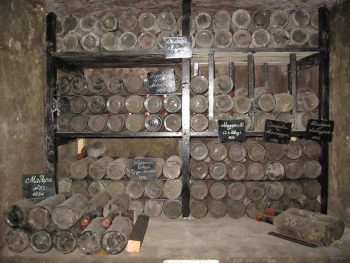
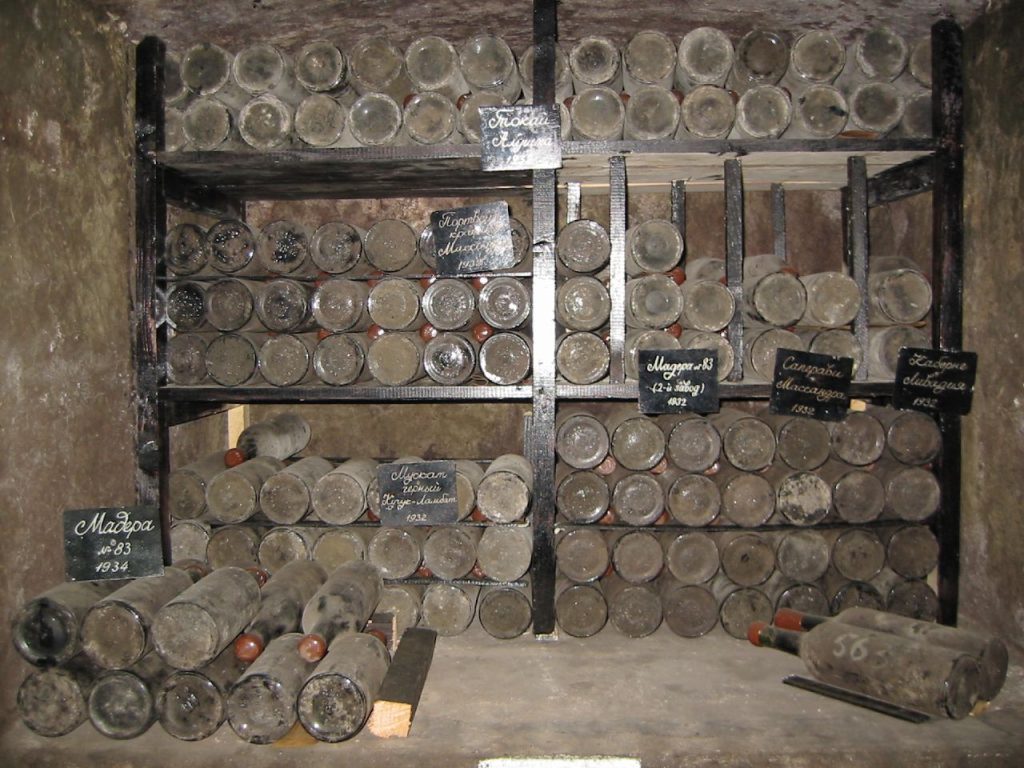
Featured photo: Wine bottles aging in Massandra cellars by Vyacheslav Argenberg, BY 2.0.