

-
by Restaurants Expert
- January 21, 2026
Want more profit margins without increasing menu prices?
This is what restaurant owners focus on day in and day out. Customers see the front of house. What happens behind closed doors is easy to ignore…until your kitchen is draining your profits.
Inside secrets.
Behind every successful restaurant is a streamlined back-of-house operation. Everything that happens out of customers’ sight from payment processing to food prep affects your bottom line.
Luckily, improving your restaurant’s back-end operations doesn’t have to be difficult.
What you’ll learn:
- Why Back-of-House Operations Are Important
- Hidden Costs Eating Away at Your Profits
- 5 Ways You Can Streamline Back-of-House Operations
- Selecting Your Back-of-House Technology Stack
Why Back-of-House Operations Are Important
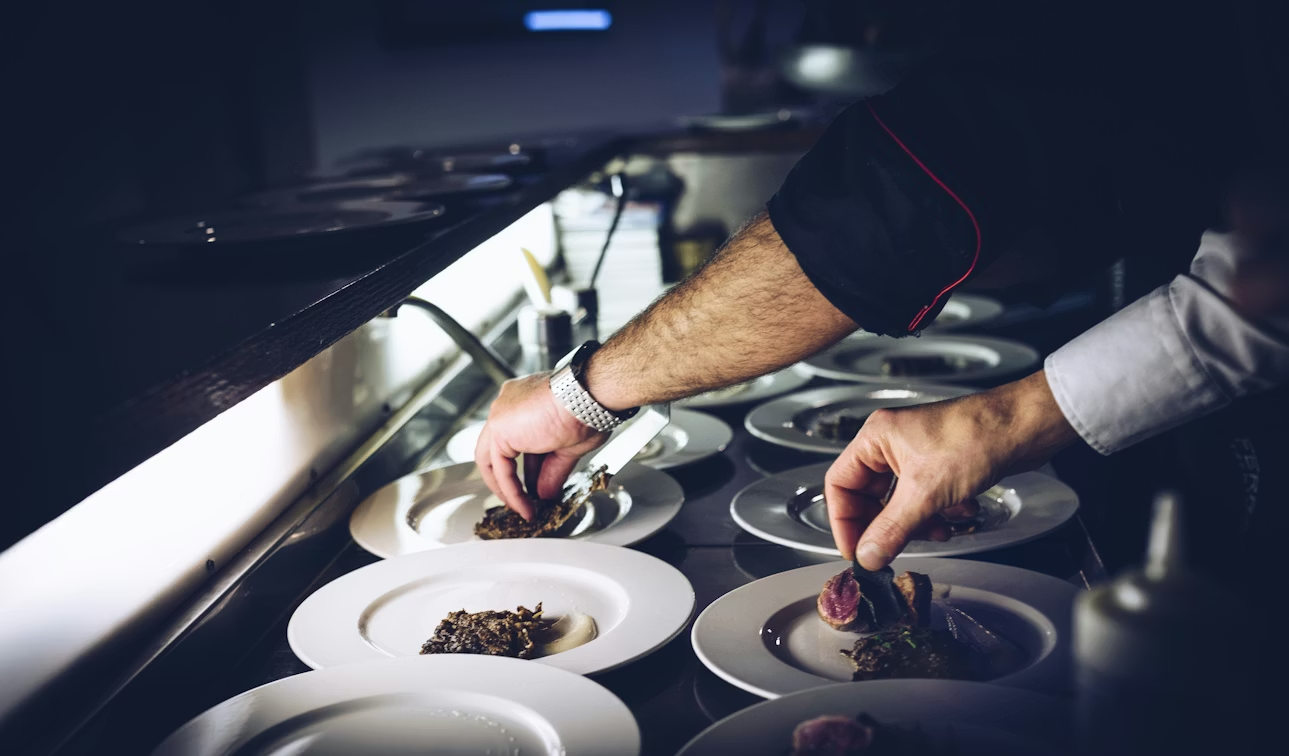
The back-of-house (BOH) covers all operations happening out of sight from customers. It includes food prep, cooking, inventory stocking and storage, payments processing and kitchen staff cooperation.
Efficient BOH operations mean better performance across your entire restaurant.
If you consider that food and labour are typically a restaurant’s two largest expenses known as prime costs:
55%-65% of sales for full-service restaurants.
Then it makes sense why your behind the scenes operations matter so much.
Let’s take payment processing as one example. Implementing a successful merchant account for bars and restaurants from 2Accept can make operations more efficient and less prone to costly processing delays.
Efficient back-of-house operations:
- Maintain food costs that match customer demand
- Staff labour hours according to real demand
- Speeds up payment transactions
- Reduce waste inventory
If your kitchen and supporting operations run smoothly your restaurant will likely rake in more profits.
Hidden Costs Eating Away at Your Profits
You might be surprised to learn…
The biggest drains on restaurant profits are hidden from customers.
They occur in the kitchen, back stock room and office. Let’s take a closer look.
Food Waste
The average restaurant in America creates between 22 and 33 billion pounds of waste every year. That equals out to approximately $25 billion wasted in food industry wide.
Ordering too much or too little? Incorrect portioning. All of these tasks effect how much food your restaurant wastes.
Idle Labor Hours
The average labour cost for restaurant operators is about 31% of sales. A large portion of that labour goes towards BOH employees and operations.
Slow station turnover = slow order times = late meals = broken service flow.
Slow Payments
Slow manual payment processing causes bottlenecks throughout your operation. Lengthy transactions equal longer table turnaround times. Less tables turned = less revenue.
Restaurant Communication
Did you know that ticket times of greater than 20 minutes for entrees impacts communication and flow?
Poor kitchen communication causes delays in order execution which disrupts the flow of service.
5 Ways You Can Streamline Back-of-House Operations
Improve your back-of-house operations today using these tips.
1. Update Your Payment Processing
Restaurant and bar payments have come a long way in recent years. In fact, cashless payments now account for approximately 62% of all restaurant transactions.
Here are some benefits that modern payment technology can provide:
- Quicker transactions
- Easy access to reporting and analytics
- Minimizes manual reconciliation
- Better controls your cash flow
Upgrading your restaurant’s payment processing can speed up transactions and provide greater insight into your daily operations.
2. Use Inventory Management Software
Throw away the clipboards and antiquated spreadsheets. Inventory management software helps you keep track of stock levels, low alerts and waste patterns.
Here’s how:
If you control your portion sizes and utilize tracking tools you can reduce a significant percentage of potential inventory loss. Inventory management technology makes it easy to automate most of these tasks.
3. Standardize Recipes/Portion Sizes
If every cook prepares menu items differently you’ll have trouble predicting food costs.
Standardizing recipes means:
- Using digital recipe management
- Measuring portion tools
- Clear preparation guidelines
- Kitchen audits to ensure consistency
When food waste is minimized and your customers know what to expect your back-of-house just got more efficient.
4. Organize Kitchen Layout and Staff Workflow
Imagine if your chefs had to walk twice as far to access ingredients. Everything would take longer to prepare.
Kitchen layout and staff workflow is important. Look at your current kitchen setup and find areas to improve.
Ask yourself:
- Are your prep stations logically placed?
- Do cooks have easy access to ingredients from each station?
- Is your equipment positioned to maximize efficiency?
- Are there areas that get overloaded during peak times?
Small adjustments can lead to big improvements in kitchen efficiency.
5. Train Your Staff
Employees who understand their jobs and how to execute them properly can make your life a lot easier.
Here are some key areas to train:
- Proper equipment operation
- Food safety standards
- Communication guidelines
- Emergency procedures
Knowledgeable staff streamlines communication and kitchen operations.
Selecting Your Back-of-House Technology Stack
There are many technologies solutions that can help your run a more efficient restaurant. But not all of them are made equal. Your technology stack should consist of tools that integrate together and address specific issues.
Look for technology that:
- “Talks” to each other. Payment processing, inventory tracking and staff scheduling should all be connected.
- Provides real-time reports. Instant access to operational and financial data allows for quicker course corrections.
- Has mobile capabilities. Your managers and staff should be able to access your technology stack from anywhere.
- Can grow with your restaurant. As you expand and hire more staff your technology stack should be able to accommodate those new additions.
Every tool that takes away manual tasks from your staff is one more way they can focus on your customers.
Wrapping Things Up
Streamlining your BOH is one of the best things you can do for your restaurant. Everything you do to improve back-end operations will be reflected in your profit margins.
Let’s review:
- BOH operations have a huge impact on your restaurant’s profits
- Hidden costs from waste, labour and inefficient processes can really add up
- Upgrading payment processing can significantly speed up transaction times
- Technology that integrates will save your restaurant money in the long run
- Training staff will only amplify your technology advantages
Take inventory of your BOH and see where you can improve. Don’t try and tackle everything at once.
Pick one aspect of your BOH that needs the most work and focus on that. Once you’ve ironed out the kinks move on to the next area.
Restaurants that take care of their BOH will be the restaurants that prosper. When you have a solid foundation everything else will fall into place.
Frequently Asked Questions
What does back-of-house mean?
Back-of-house refers to everything taking place out of customers’ sight. Food preparation, kitchen staff and inventory stocking/storing are all examples of BOH operations.
Can payment processing improve my restaurant profits?
Yes! By speeding up transactions and reducing table turnaround times. Taking too long to process payments can eat into your daily revenue.
What is the number one hidden cost in restaurant operations?
Food waste! Restaurants waste an average of 22-33 billion pounds of food every year. That’s $25 billion dollars going straight in the trash.
How can restaurants save on labour costs?
BOH restaurants can reduce labour costs by streamlining workflow, training staff and deploying technology to automate manual tasks.