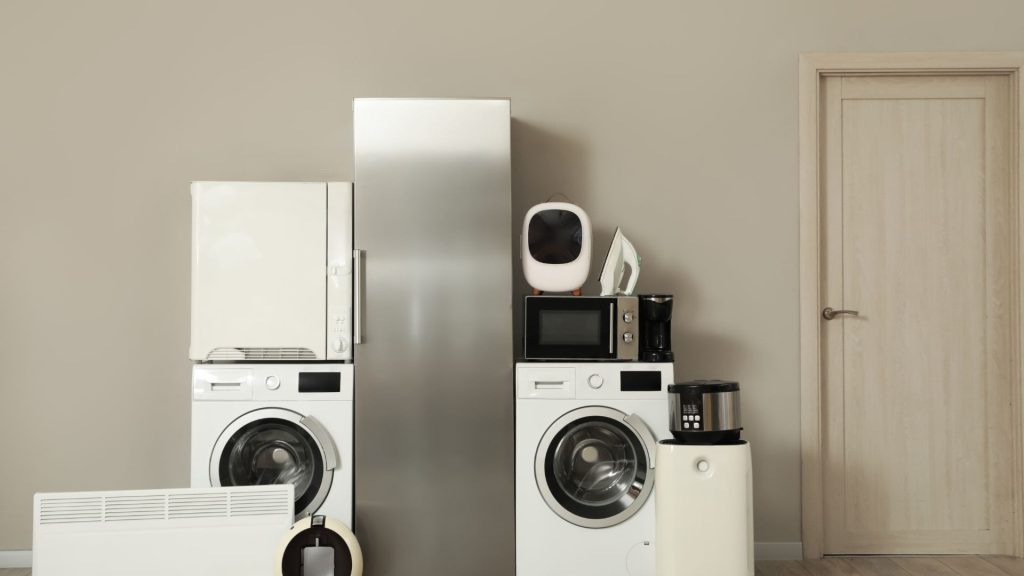
Here’s something most homeowners don’t expect: appliances fail at the worst possible moments. A washer won’t drain on laundry day, Sunday. A dishwasher leak discovers your hardwood floor before you do. Damp clothes are sitting in the drum because your dryer won’t heat up again.
Sound familiar? You’re in good company. Nearly 40% of U.S. households experienced at least one appliance breakdown in 2023. That’s not a fluke. That’s just homeownership.
Mastering Refrigerator Repair: Keep Your Cool
Refrigerator repair doesn’t automatically mean a service call. Plenty of cooling failures have embarrassingly simple causes, and catching them early saves you real money.
Quick DIY Checks Before Calling Pros
Dirty condenser coils are quietly responsible for more weak-cooling complaints than most people realize. Clean them every six months. It takes twenty minutes and makes a measurable difference. While you’re at it, run your hand along the door gaskets. Any cracks or gaps? Cold air is leaking out, and your compressor is working double-time to compensate. Water pooling inside or underneath the unit usually traces back to a blocked defrost drain or a loose waterline, both things you can inspect yourself.
Washer Won’t Drain? Get It Spinning Again
A washer won’t drain situation shuts down an entire household routine fast. The good news? Most causes are surprisingly accessible.
Easy Fixes You Can Do Right Now
Check the pump filter first. Coins, lint, small bits of fabric, they all find their way there and choke the drainage completely. Next, trace the drain hose: is it kinked, pinched, or partially blocked? Either condition stops drainage as effectively as a broken pump. One more thing: verify the machine is level. An uneven washer on an uneven floor vibrates excessively under load, which can trigger an automatic mid-cycle stop that looks like a drainage failure but isn’t.
Where you live matters too. Central Florida’s humidity, notoriously hard water, and year-round appliance demands create a different kind of wear than most places. That’s why connecting with trustworthy appliance repair services in Orlando, ones that show up the same day, bring certified technicians, and quote you upfront, genuinely changes the outcome when something urgent breaks down.
When Smells or Electronics Signal Trouble
That musty, sour smell lingering after a full wash cycle? Mold and detergent residue have taken up residence in the drum and rubber gasket. Running a hot cleaning cycle monthly keeps it cleared out. But if your display is behaving erratically or cycles are stopping at random intervals, a failing control board is likely involved, and that repair belongs in the hands of a certified technician.
Washer back on track? Good. Now let’s look at the appliance right next to it.
Smart Dryer Troubleshooting That Works
Effective dryer troubleshooting means starting with the simplest possible explanation and building from there. Jumping to major part failures too quickly leads to unnecessary costs and unnecessary frustration.
Frustrated by Long Dry Times or No Heat?
A clogged lint filter or blocked exhaust vent causes the overwhelming majority of dryer performance complaints. Clean the lint trap after every single load, not occasionally, every load. When airflow through the vent is restricted, drying times double, and overheating risk increases sharply. If cleaning doesn’t solve it, the next candidates are a failed heating element or a blown thermal fuse. Both are replaceable, though they do require some comfort with basic disassembly before you start.
Safety First: Know When to Stop
Burning smell during a cycle? Loud grinding noise that wasn’t there last week? Stop the dryer immediately. These aren’t troubleshooting opportunities; they indicate a fire risk or mechanical failure that demands immediate domestic appliance repairs attention right away. Don’t push through it.
Laundry appliances handled. Now follow that puddle on your kitchen floor back to where it started.
Tackle a Leaky Dishwasher with Confidence
A dishwasher leaking creates floor damage fast, but the source is almost always something visible if you know where to look.
Clean and Check for Common Faults
Clogged spray arms and dirty filters redirect water where it was never meant to go. Remove and rinse both at least once a month. Then check the hose connections at the back of the unit. A loose or cracked hose is one of the most common leak sources homeowners miss entirely. Inspect the door gasket and latch closely, too. A worn or warped seal lets water escape along the door edge through every single wash cycle, slowly and invisibly, until you finally step in it.
Use Modern Diagnostics on Smart Models
Smart dishwashers display error codes for drainage issues, sensor faults, and water inlet problems. Start there; it eliminates a lot of guesswork. If the water-level sensors malfunction, the machine can overfill and leak even when everything else checks out fine.
Dishwasher leak resolved. Here’s a fast look at a few other appliances that tend to break down without much warning.
Additional Smart Appliance Fixes Worth Knowing
Ice Maker Stopped: Quick Fixes
Confirm the ice maker is actually switched on. Sounds obvious, but it’s often the answer. Check that your freezer temperature falls between 0°F and 5°F. Inspect the water filter and inlet line for clogs or freeze-ups. Replacing the filter every six months keeps production consistent and prevents a lot of unnecessary service calls.
Oven or Cooktop Acting Up
Burners and igniters collect grease over time, disrupting ignition and heat distribution. Clean them regularly. If your oven runs significantly hotter or cooler than the set temperature, a faulty temperature sensor or failing heating element is usually responsible.
Benefits of Professional Diagnosis Tools
DIY repairs save 30–50% on average, but 40% of DIY attempts fail, which ends up costing more than the original repair would have. AI-driven diagnostic tools now help certified technicians identify faults faster and more precisely, reducing misdiagnosis and repeat visits considerably.
Preventative Maintenance Extend Appliance Lifespan
Most premature appliance failures trace back to skipped maintenance. Staying consistent with simple upkeep genuinely extends machine lifespans by years, sometimes many years.
Maintain Smartly, Not Hard
Clean refrigerator coils, dryer vents, and dishwasher filters on a fixed schedule. Replace washing machine hoses every five years before they crack and flood your laundry room without warning. Swap door gaskets at the very first sign of wear. Small, inexpensive habits prevent large, expensive catastrophes.
Embrace Routine Check-Ups
Annual inspections, whether you handle them personally or bring in a certified technician, catch problems early, when repairs are still affordable and manageable. AI-assisted diagnostic checklists used by modern repair companies make these check-ups faster and more thorough than anything homeowners typically manage alone.
Why Trust Our Advice and When to Call a Pro
Sometimes the smartest decision is recognizing that a repair has moved beyond your toolkit.
Local Expertise You Can Rely On
Certified technicians bring the right equipment, genuine parts, and hands-on experience across all major appliance brands. Same-day service, honest diagnostics, and written warranties make professional appliance repair worth every dollar when a problem has genuinely outgrown basic troubleshooting.
Integrating Tech for Better Service
Modern repair companies use smart scheduling and AI triage tools to match the right technician to your specific appliance and failure type. Transparent repair checklists shared with customers before work begins eliminate surprise charges, something every homeowner absolutely deserves.
Your Top Appliance Questions, Answered
What causes a dryer to run but not heat?
A blown thermal fuse or failed heating element is usually responsible. Both cut power to the heat source while leaving the drum motor running normally. These parts are inexpensive but require careful disassembly to replace safely.
How often should refrigerator coils be cleaned?
Every six months is the standard recommendation. Homes with pets may need cleaning every three months, since pet hair accelerates coil buildup and noticeably reduces cooling efficiency over time.
Why does my washer smell even after a cycle?
Mold and mildew grow in the drum, gasket folds, and detergent drawer when moisture lingers after each wash. Running a hot self-clean cycle monthly and leaving the door ajar between uses solves most odor problems quickly.
Final Thoughts on Handling Appliance Problems Smartly
Most appliances give you warning signals long before they completely fail. Odd smells, strange sounds, and error codes are the appliance equivalent of a warning light on your dashboard. Ignore them, and things get more expensive. Act on them early, and you stay in control.
Whether you handle it yourself or bring in a certified technician, having a clear plan makes the difference between a minor inconvenience and a major disruption. Smart maintenance, honest troubleshooting, and knowing exactly when to ask for backup, that combination saves you money, reduces stress, and keeps your home running the way it should. You’ve got this.