Water damage is one of the most disruptive events a restaurant can face. Whether it’s a burst pipe, roof leak, storm flooding, or malfunctioning equipment, water can shut down operations fast, damage inventory, and create serious health risks. Recovery isn’t just about drying things out, it’s about acting in the right order to protect your staff, your customers, and your business.
Below is a guide to help restaurant owners respond effectively when water damage strikes.
Step 1: Ensure Safety and Shut Down Affected Areas
The first priority is safety. Water and electricity are a dangerous combination, especially in kitchens filled with appliances and exposed wiring. If there is standing water or visible damage near electrical systems, shut off power to affected zones immediately.
Restrict access to damaged areas to prevent slips, contamination, or injuries. If water has reached food prep areas, refrigeration units, or storage rooms, operations should pause until safety and sanitation can be confirmed.
Step 2: Identify the Source and Stop the Water
Recovery can’t begin until the water source is controlled. Common causes include plumbing failures, roof leaks, HVAC condensation, and exterior flooding.
Stopping the source may involve shutting off water lines, temporarily patching a roof, or diverting exterior runoff. If the source is weather-related, monitor conditions closely—additional rainfall can worsen damage before cleanup is complete.
Step 3: Understand How Weather Impacts Damage Severity
Water damage varies significantly by climate and region. In dry or cold states, damage often comes from frozen pipes or indoor leaks. In coastal or southern states, storms and flash flooding introduce contaminated water that poses higher health risks.
Texas is a good example of this variability. Intense storms, rapid temperature swings, and heavy rainfall can cause sudden flooding and roof failures. In cities like Dallas, where severe weather events are common, restaurants often need professional water damage restoration Dallas services to address not only moisture removal but also contamination, structural drying, and mold prevention.
Understanding local weather patterns helps owners anticipate the type and severity of damage they may face.
Step 4: Document Everything for Insurance
Before cleanup begins, document the damage thoroughly. Take photos and videos of affected areas, equipment, inventory, and structural elements. Keep records of when the damage occurred, suspected causes, and steps taken to mitigate further loss.
This documentation is critical for insurance claims and can significantly impact reimbursement timelines and outcomes.
Step 5: Remove Standing Water and Begin Drying
Time matters. Standing water should be removed as quickly as possible using pumps or wet vacuums. Once visible water is gone, industrial drying equipment is needed to address moisture trapped in floors, walls, and cabinetry.
Restaurants require deeper drying than many commercial spaces because moisture can linger behind kitchen fixtures, under flooring, and inside walls—areas where mold and bacteria thrive if untreated.
Step 6: Address Food Safety and Inventory Loss
Any food, packaging, or disposable items exposed to water especially from flooding or sewage backups should be discarded. This includes dry goods stored near the floor, produce, and open containers.
Refrigeration and freezer units should be inspected to ensure they maintained safe temperatures during the incident. When in doubt, discard. Food safety violations following water damage can lead to health department closures and long-term reputational damage.
Step 7: Inspect for Structural and Equipment Damage
Water can weaken flooring, warp walls, and damage kitchen equipment internally even if exterior surfaces appear intact. Professional inspections help determine whether repairs or replacements are necessary.
Equipment exposed to water may require electrical testing before being returned to service. Ignoring hidden damage often leads to failures weeks later, usually during peak service.
Step 8: Prevent Mold and Secondary Damage
Mold can begin forming within 24–48 hours in damp environments. Restaurants are particularly vulnerable due to warmth and organic materials.
Professional restoration teams use antimicrobial treatments and controlled drying to prevent mold growth. This step is essential not just for compliance, but for employee and customer health.
According to the CDC, mold exposure can cause respiratory symptoms and worsen asthma, making prevention a critical part of recovery.
Step 9: Coordinate Repairs and Reopening
Once drying and sanitation are complete, repairs can begin. Coordinate with contractors, inspectors, and local health departments to ensure all requirements are met before reopening.
Clear communication with staff and customers helps manage expectations and maintain trust during downtime.
Final Thoughts
Water damage recovery in restaurants is a race against time, contamination, and compliance risks. The steps you take in the first 48 hours often determine how quickly and safely you can reopen.
By prioritizing safety, understanding how local weather affects damage, documenting thoroughly, and addressing moisture at a professional level, restaurant owners can turn a crisis into a controlled recovery rather than a prolonged shutdown.
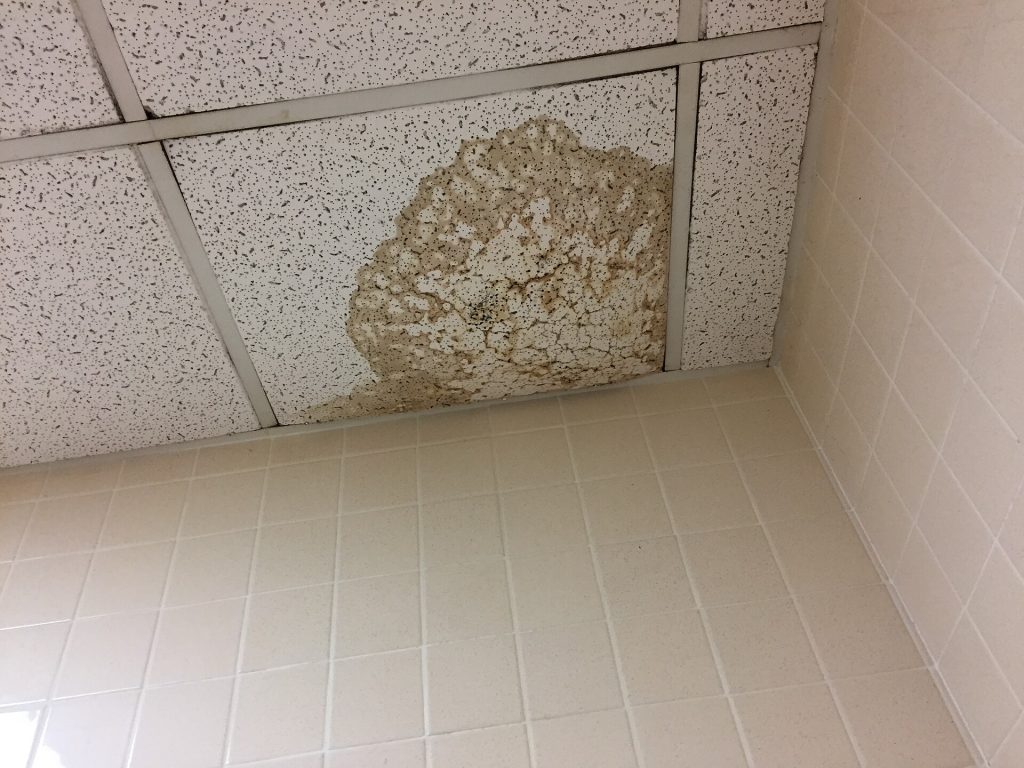
Featured photo: Ceiling water damage by Atomicdragon136, BY 3.0.