Now, booking a table at your favorite restaurant is as quick as unlocking your phone.
Apps and online systems have replaced the days of dialing numbers or hoping for a walk-in spot, giving diners instant access and choices at their fingertips.
But this convenience leaves restaurant owners facing a stubborn question: Will all those booked tables actually be filled when the night arrives?
No matter how smooth the reservation process gets, the uncertainty of no-shows lingers, shaping not just the mood of the room but the reality behind the scenes.
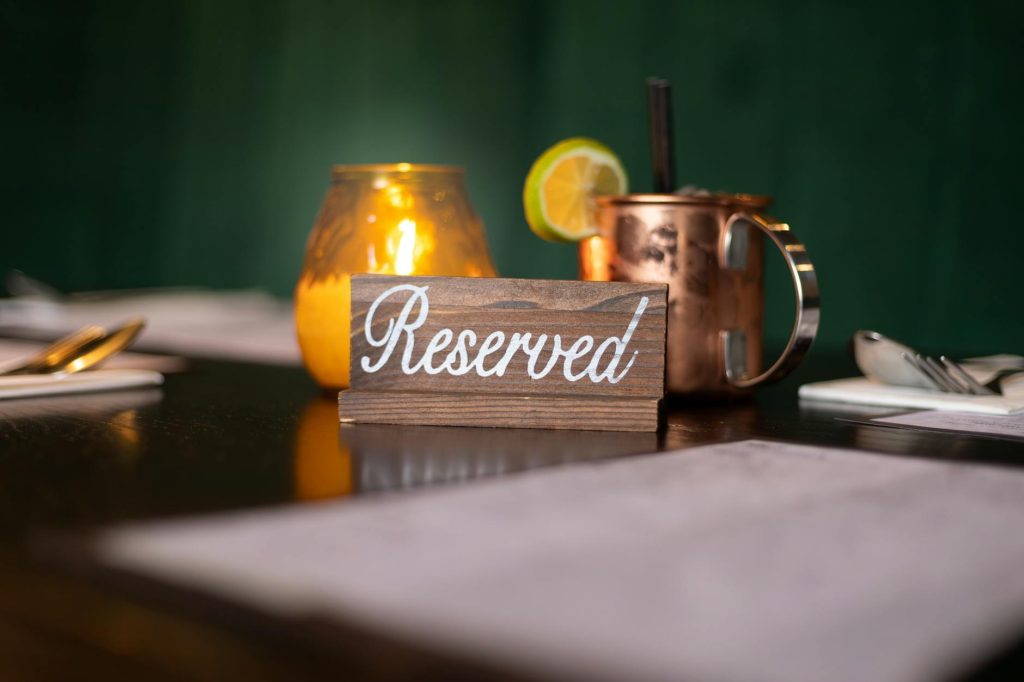
Making plans is frictionless, but plans still change—for diners and restaurants
It’s easy to see why making dinner plans feels so light these days. You can browse menus, check what’s available, and lock in a table faster than you can decide what you’re hungry for.
That sense of freedom—being able to plan a night out or cancel at the last minute—comes built into the technology. There’s no deposit to put down, no pressure to keep your word, and sometimes not even a second thought if something better pops up or you just can’t make it.
But this same simplicity brings headaches for restaurants. When people change their minds at the last moment, the empty seats don’t just mean a quieter dining room. They mean lost revenue and wasted ingredients. In places where the margins are already thin, missing even a handful of guests can be the difference between a good night and a rough one.
Websites like dalmacijaportal.hr show how open and easy online discovery has become, letting anyone book almost anywhere with barely a pause. Yet behind every digital reservation, there’s still that flicker of uncertainty—will this guest actually show up?
This is the reality for hosts and kitchens everywhere. Plans change, and with every change comes a ripple effect no app can fully smooth over.
The steep cost of no-shows: Why empty tables hurt more than ever
When a reserved table sits empty, it’s not just a minor inconvenience for the staff—it’s a direct hit to a restaurant’s bottom line.
This sting is sharper now than ever before. Last year in the UK, the rate of no-shows doubled, leaving twelve out of every hundred reserved tables unfulfilled. That seemingly small jump led to billions in lost revenue and left many owners questioning how much uncertainty they can absorb in a business that already runs on tight margins.
The problem isn’t limited to one country. In the U.S., some restaurants lose between $800 and $2,000 in a single night when diners don’t follow through. For a place with sixty seats, even a few missing parties can cause food waste, disrupt staff schedules, and leave the dining room feeling half-empty when it should be buzzing.
According to No-shows in hospitality double, the impact is so severe that nearly one in five hospitality businesses now sees cancellations and no-shows as an existential threat. Every empty table carries weight, not just for that evening, but for the long-term survival of restaurants everywhere.
From reminders to reservation fees: how restaurants try to hold the line
Restaurants are responding to the sting of empty tables with a growing set of strategies that blend technology and policy.
Simple reminders—like text messages sent in the hours before a booking—have made a measurable difference, reducing expected no-shows by nearly half in some cases.
But reminders alone aren’t always enough. More places are turning to reservation fees or deposits. The idea is straightforward: if you put a little money down, you’re more likely to follow through, or at least cancel in time for the restaurant to adjust.
These approaches aren’t just about recouping lost revenue. They shift the dynamic, making diners more aware of the ripple effects their choices can have. For some, the cost of a single empty table—averaging around £89 per missed booking, as highlighted in Cost of one no-show—is enough to tip the balance for a small business.
This evolution in how reservations are managed signals a new phase in dining culture, where accountability is a shared expectation and both parties are adapting to a less predictable reality.
Why the smallest choice at the table still shapes the industry’s night
Even with all the advances in booking technology, what happens after a reservation is made still comes down to personal choices. When a diner decides not to show up—or simply forgets—it’s not just a minor detail lost in a busy night.
For restaurants, every empty chair is a real reminder that systems alone can’t guarantee a full dining room. The impact of one missing guest can linger, affecting staff, food prepared, and the mood of the whole team long after closing time.
So while making a reservation is almost effortless now, actually showing up is what keeps the spirit of dining out alive. In the end, the smallest decision—sticking with the plan—can shape an entire night for both diners and the people who make it possible.