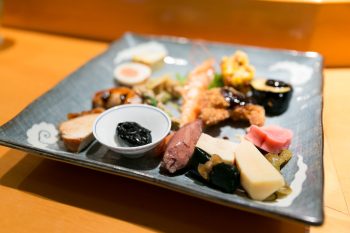
Regional dining scenes reveal themselves through the variety of establishments they support; not just the headline restaurants drawing tourists but the everyday bakeries, breakfast spots, and neighborhood eateries that locals actually frequent. These venues collectively define how communities eat, what they value in dining experiences, and how food culture develops when it’s shaped by residents rather than visitors seeking novelty.
Understanding regional dining means looking beyond marquee restaurants to examine the full spectrum of food venues serving different occasions and purposes. Bakeries provide daily rituals around morning coffee and sweet treats. Breakfast spots create social spaces where mornings unfold over leisurely meals. Local restaurants anchor neighborhoods through consistent quality and familiar atmospheres. Together these establishment types create dining ecosystems that tell you more about places than any single venue can.
The interesting thing about regional food scenes is how they balance competing pressures; tourist expectations versus local preferences, innovation versus tradition, aspiration versus accessibility. Venues succeeding in this environment rarely try being everything to everyone but instead identify their role clearly and execute it well. Whether that’s a bakery perfecting classic preparations, a breakfast venue capitalizing on location, or a restaurant building reputation through consistency, success comes from understanding what your community needs and delivering it reliably.
Specialty Bakeries: Beyond Basic Bread
Bakeries occupy interesting positions in dining landscapes. They’re not restaurants where you sit for full meals, yet they’re not mere retailers selling packaged goods. Good bakeries blend retail with limited food service, providing spaces where people linger over coffee and pastries whilst also selling whole cakes for celebrations and daily bread for home consumption. This dual nature; immediate consumption and take-home products; requires different skills and considerations than restaurants focused exclusively on seated dining.
The quality distinction between commercial bakeries and specialty operations appears most clearly in technique and ingredient choices. Commercial bakeries prioritize consistency and shelf life, using stabilizers, preservatives, and methods that allow products sitting for days without noticeable degradation. This matters for supermarket distribution but compromises on flavor and texture compared to items sold same-day by bakeries prioritizing quality over longevity.
Specialty bakeries work with shorter timelines and fresher ingredients. Bread baked in the morning sells the same day. Pastries come from butter rather than margarine. Cakes use real vanilla and quality chocolate rather than artificial flavoring and compound coating. These choices cost more and require selling products quickly, but they create noticeable differences in taste, texture, and overall eating experience that customers seeking quality recognize immediately.
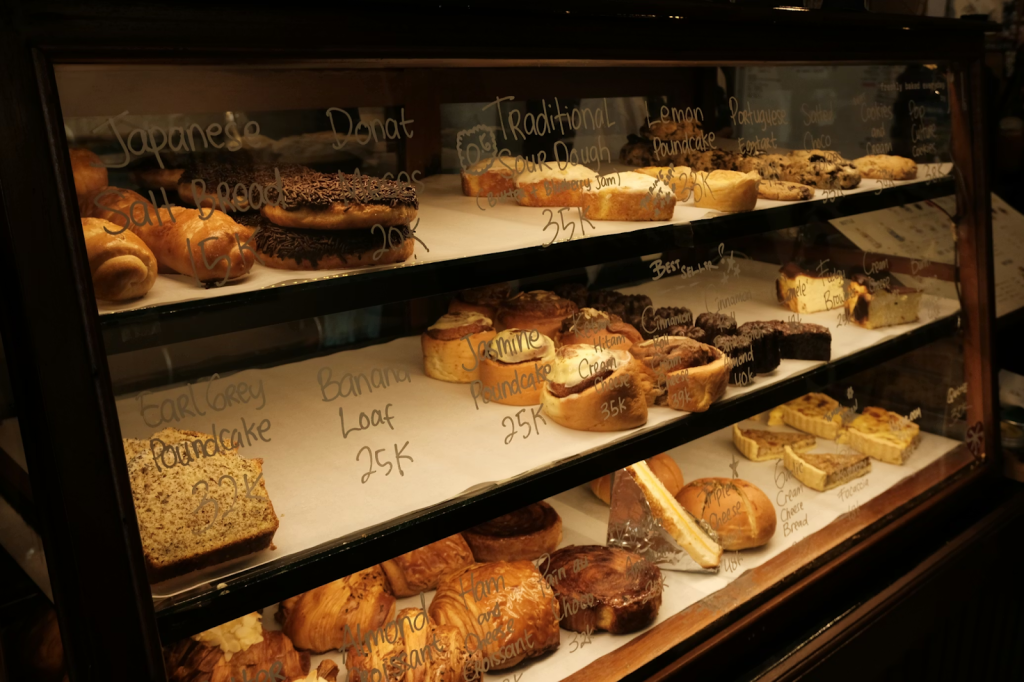
The technical skills required for quality baking extend beyond following recipes. Understanding how different flours behave, recognizing proper dough development, managing fermentation times, judging doneness accurately; these capabilities develop through experience and separate competent bakers from merely adequate ones. You taste the difference in bread with proper crust and interior texture versus mass-produced loaves that are all soft blandness. You notice it in croissants with distinct buttery layers versus commercial versions that are essentially sweet dinner rolls shaped differently.
Cake decoration represents another skill dimension separating specialty bakeries from commercial operations. Anyone can pipe frosting onto cakes, but achieving smooth finishes, creating elegant designs, executing precise decorative work, and customizing designs to client specifications requires genuine skill developed over many cakes. Quality operations like a professional cake shop demonstrate these capabilities through portfolio work showing range across different styles, techniques, and complexity levels that commercial bakeries producing standardized products cannot match.
The celebration cake market particularly rewards quality and customization capabilities. People ordering birthday cakes, wedding cakes, or special occasion desserts want something beyond generic supermarket offerings. They’re willing to pay premiums for designs matching their vision, flavors they actually enjoy rather than just tolerate, and professional execution that photographs well and tastes good rather than prioritizing appearance over eating quality. This segment of bakery business sustains specialty operations despite higher costs than mass production.
Daily bakery traffic from coffee and pastry customers provides the consistent revenue that keeps specialty bakeries viable between larger celebration orders. Regular customers buying morning coffee with croissants or afternoon treats create predictable income whilst celebration cakes provide higher-margin projects that make the overall business sustainable. Bakeries failing to build regular customer bases struggle even with good cake decoration skills because they lack consistent cash flow between large orders.
Location affects bakery success considerably. High foot traffic areas provide exposure and impulse purchases that lower-traffic locations cannot generate regardless of product quality. But high-traffic locations also mean higher rents that require strong sales volumes to justify. Many successful specialty bakeries balance these factors by choosing secondary locations near but not directly on premium retail streets; close enough for convenience whilst avoiding the highest rent burdens that make profitability difficult.

Morning Dining: The Breakfast Experience
Breakfast venues occupy distinct positions in dining cultures. They’re not quite restaurants in the traditional sense; many operate limited hours, focus almost exclusively on morning menus, and cultivate atmospheres quite different from evening dining establishments. The best breakfast spots understand these distinctions and design their operations around breakfast’s particular requirements and customer expectations rather than trying to be all-day operations that dilute their core strength.
Location matters enormously for breakfast venues, perhaps more than any other restaurant category. Proximity to residential areas, tourist accommodations, or morning commute routes determines who can actually reach you during breakfast hours and how convenient you are for regular patronage. The most successful breakfast destinations either serve dense residential neighborhoods where locals can walk over or capitalize on tourist locations where visitors seek morning meals in attractive settings.
Coastal and scenic locations provide particular advantages for breakfast dining that other meal periods cannot replicate as effectively. Morning light, fresh air, and the peaceful quality of early hours make waterfront breakfast particularly appealing. Options like breakfast in Sorrento exemplify how seaside settings enhance morning meals through combinations of quality food and environmental factors that create memorable starts to days rather than merely functional fueling stops before activities commence.
The breakfast menu requires different thinking than lunch or dinner. People eating breakfast generally want food arriving quickly; they have morning schedules to keep and limited patience for complex preparations taking extensive time. This reality shapes successful breakfast menus toward items that prepare relatively quickly whilst still offering enough variety that regular customers don’t exhaust options after a few visits. The balance between speed and quality separates competent breakfast operations from those that frustrate customers with slow service or bore them with limited choices.
Coffee quality matters disproportionately at breakfast compared to other meal periods. Many breakfast customers prioritize coffee over food, and some come exclusively for coffee with perhaps a pastry. Poor coffee drives away customers regardless of food quality, whilst exceptional coffee creates loyalty even when food is merely adequate. Smart breakfast venues recognize this reality and invest in quality coffee equipment, proper training, and good beans rather than treating coffee as an afterthought that any cheap drip machine and bulk commercial grounds can handle.
The social function of breakfast venues differs from dinner restaurants. Breakfast draws people seeking relaxed starts to days, casual meetings, or solo dining while reading newspapers or working on laptops. The atmosphere needs accommodating these patterns; comfortable seating, reasonable noise levels that allow conversation without shouting, and staff understanding that breakfast pace is leisurely rather than rushed table turnover maximizing covers during service.
Weekend breakfast service creates different dynamics than weekday operations. Weekends draw brunchers willing to wait for tables, spend more time lingering, and order more extensively than weekday breakfast customers grabbing quick meals before work. Many breakfast venues do the majority of their weekly revenue on weekend mornings, making those services crucial to overall business viability even if weekday traffic seems modest.
Neighborhood Restaurants: Reliable Local Dining
Local restaurants serve fundamentally different purposes than destination establishments drawing diners from across regions. Neighborhood restaurants succeed by becoming reliable options locals visit regularly rather than once for novelty. This requires different priorities; consistency matters more than innovation, familiar atmospheres trump dramatic design, and value for regular dining takes precedence over creating Instagram moments that photograph well but don’t justify repeat visits.
The challenge for neighborhood restaurants is avoiding mediocrity whilst maintaining the consistency and accessibility that regular customers expect. You need to be good enough that people choose you repeatedly over cooking at home or trying competitors, but you also need to avoid the complacency that familiarity sometimes breeds where quality gradually declines because regular customers keep coming from habit rather than active satisfaction.
Menu development for local restaurants involves balancing variety against practical limits of what kitchens can execute consistently. Massive menus sound impressive but often indicate kitchens spreading themselves too thin, using many frozen or pre-prepared items, or experiencing quality inconsistency as staff struggle remembering preparations for dozens of dishes. Focused menus suggesting kitchen confidence in their core strengths generally prove more reliable than encyclopedic options trying to please everyone.
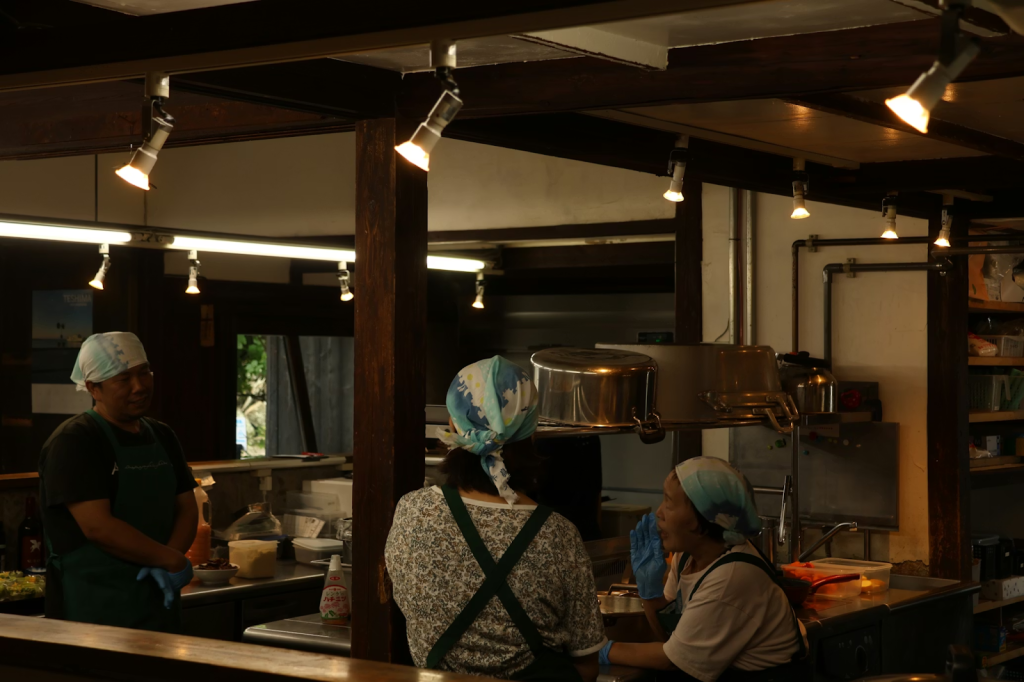
Coastal suburb restaurants face particular considerations balancing seafood expectations that locations suggest against practical realities of sourcing and preparation. Yes, proximity to the ocean implies fresh seafood availability, but successfully executing seafood requires proper storage, quick turnover preventing spoilage, and kitchen staff skilled in seafood preparation that differs considerably from cooking meat. Some coastal restaurants overreach with extensive seafood menus beyond their execution capabilities whilst others find appropriate balance between seafood offerings and other options.
Steak restaurants represent an interesting category within neighborhood dining because they combine relative simplicity in core preparation with high ingredient costs requiring careful execution. Quality establishments like a restaurant cronulla demonstrates how focusing on beef preparation excellence, proper aging, appropriate cuts, and precise cooking creates reputation and regular clientele even in competitive markets where numerous restaurants vie for customers.
The service style in local restaurants typically aims for friendly professionalism rather than the formality of fine dining or complete casualness of fast food. Staff should know regular customers, provide efficient service without hovering, and handle problems gracefully when they occur; because in restaurants serving the same customers repeatedly, how you recover from mistakes often matters more than whether mistakes happen at all.

Pricing for neighborhood restaurants requires particular sensitivity since you’re serving people who’ll do mental math about whether dining with you beats home cooking or cheaper alternatives. The value proposition isn’t just about absolute price but about the complete experience; food quality, atmosphere, service, and convenience; justifying spending money dining out rather than eating at home. Get this balance wrong and you lose regular customers to competitors or to their own kitchens.
Understanding Regional Dining Ecosystems
Regional dining scenes succeed through diversity rather than any single establishment type dominating. Bakeries serve different needs than breakfast spots, which differ from lunch cafes and dinner restaurants. These venues collectively create food cultures where residents find appropriate options for various occasions, budgets, and preferences rather than being forced toward limited choices that never quite fit what they’re actually seeking.
The venues surviving long-term in regional markets generally share characteristics regardless of format; they execute their core offerings well, maintain consistency across visits, treat regular customers appropriately, and avoid the hubris of thinking they can be everything to everyone. Better to excel at your particular niche than fail at attempting too much beyond your capabilities or resources.
Understanding regional dining means recognizing these patterns and appreciating the ordinary excellence of establishments that reliably deliver what their communities need rather than chasing awards or media attention that often go to flashier operations serving tourists more than locals. These steady performers create the foundations of regional food culture that make areas genuinely pleasant places to live rather than just visit.