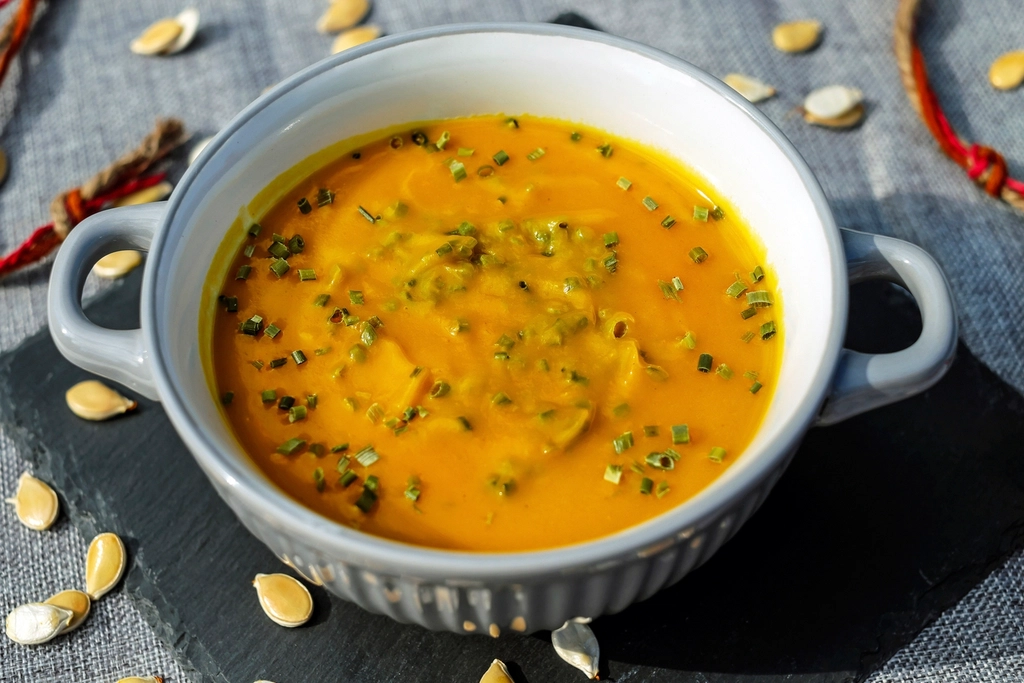
Making pumpkin soup from scratch starts with the right pumpkin: a small, dense sugar or pie pumpkin, not the big carving kind. Halve it, roast it until the flesh collapses, then simmer that flesh with softened onion, garlic and stock, and blend until silky. From whole pumpkin to bowl takes about 90 minutes, most of it hands-off oven time.
Roasting is the step that makes the difference. Boiled raw pumpkin gives you a thin, vegetal soup. Roasted pumpkin caramelises at the edges and brings a deeper, nuttier sweetness that no carton ever matches.
Below you will find how to pick a pumpkin, the full recipe with numbered steps, how to blend hot soup without redecorating the kitchen, and how to cool and store it safely.
Key takeaways
- Use a sugar or pie pumpkin, or swap in butternut squash; carving pumpkins are watery and stringy.
- Roast the pumpkin before it goes in the pot for deeper, sweeter flavour.
- Blend hot soup in small batches with the lid vented, or use a stick blender.
- Cool leftovers in shallow containers and refrigerate within 2 hours; eat within 3 to 4 days.
- Freeze the soup or plain roasted purée for later. Do not home-can puréed pumpkin.
Jump to a section:
- Choose the right pumpkin
- Ingredients
- Method: roast, simmer, blend
- Blending hot soup without the mess
- Cooling, storing and freezing
- Frequently asked questions
- Make it this weekend
Choose the right pumpkin
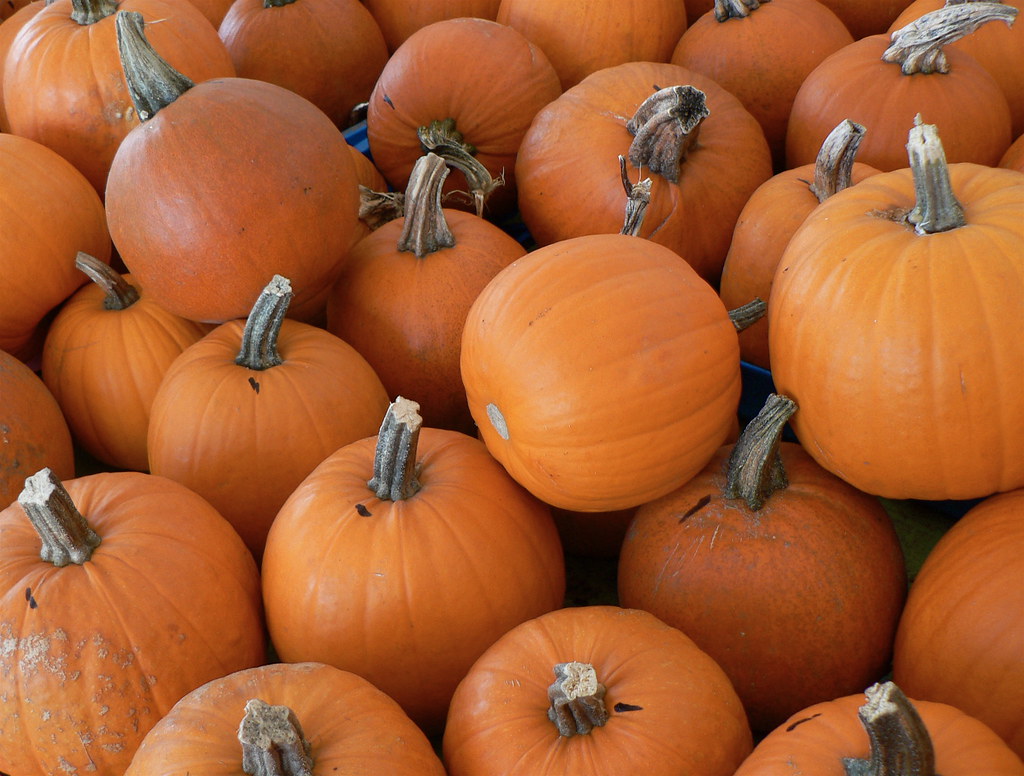
Not every pumpkin wants to be soup. Penn State Extension points to sugar pumpkins and pie pumpkins as the usual choices for purée, and notes that butternut, Hubbard, Golden Delicious and neck pumpkins tend to be sweeter and less stringy. Large carving pumpkins are bred for size and thin walls, which is great for a lantern and poor for a soup pot.
At the market, pick one that is deep orange and heavy for its size, and pass on any that are soft, cut or bruised, as Purdue Extension advises. A whole, uncut pumpkin keeps for months at cool room temperature, so you can buy a few in October and cook them through the season.
| Type | Texture | Flavour | Soup verdict |
|---|---|---|---|
| Sugar or pie pumpkin | Dense, smooth | Sweet, mild | The classic choice |
| Butternut squash | Very smooth, few strings | Sweet, nutty | Excellent; easiest to peel |
| Hubbard | Dense, dry | Rich, earthy | Great, but hard to cut |
| Kabocha | Fluffy, starchy | Chestnut-like | Thick, velvety soup |
| Carving pumpkin | Watery, stringy | Bland | Skip it or blend with a sweeter squash |
Ingredients
Serves 4 to 6. A 2.5 to 3 lb sugar pumpkin gives roughly enough roasted flesh for one pot.
- 1 sugar or pie pumpkin, about 2.5 to 3 lb (1.1 to 1.4 kg)
- 3 tbsp olive oil, divided
- 1 large yellow onion, chopped
- 1 medium carrot, chopped
- 3 garlic cloves, sliced
- 1 tsp ground cumin
- 1/2 tsp ground ginger
- Pinch of ground nutmeg
- 4 cups (about 1 litre) vegetable or chicken stock
- 1/2 cup heavy cream or full-fat coconut milk
- 1 tsp salt, plus more to taste
- Black pepper
- 1 to 2 tsp apple cider vinegar or lemon juice
- To serve: toasted pumpkin seeds, a swirl of cream, chopped chives
Method: roast, simmer, blend
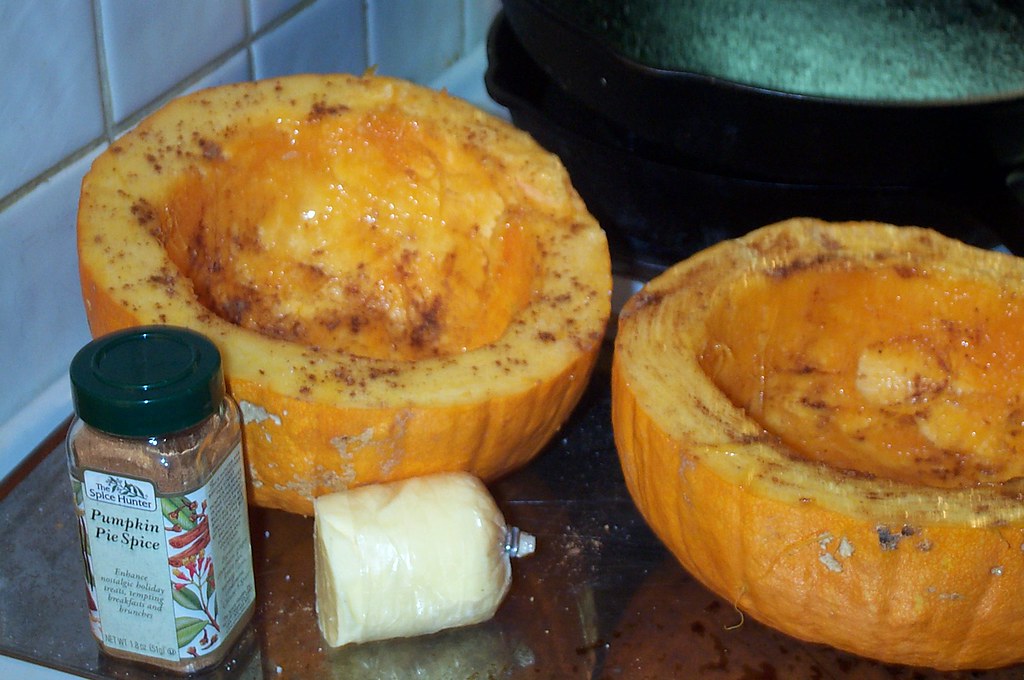
Roast the pumpkin
- Heat the oven to 400°F (200°C) and line a baking tray with parchment.
- Wash the pumpkin, cut off the stem, and halve it from top to bottom with a heavy knife. If it rocks, slice a thin piece off one side so it sits flat.
- Scoop out the seeds and stringy fibres with a metal spoon. Set the seeds aside if you want to toast them.
- Brush the cut sides with 1 tbsp olive oil, season lightly with salt, and place cut side down on the tray.
- Roast for 45 to 60 minutes, until a knife slides through the skin with no resistance and the edges have browned.
- Let it cool for 10 minutes, then scoop the flesh away from the skin. Discard the skin.
If your pumpkin is too hard to cut safely, Purdue’s pumpkin guide suggests piercing it and baking it whole at 350°F for about an hour until it softens, then halving and scooping it.
Build the soup
- Warm the remaining 2 tbsp olive oil in a large pot over medium heat.
- Add the onion, carrot and a pinch of salt. Cook for 8 to 10 minutes, stirring, until soft and just golden.
- Add the garlic, cumin, ginger and nutmeg and stir for 1 minute until fragrant.
- Add the roasted pumpkin and stock. Bring to a simmer and cook, partly covered, for 15 minutes so the flavours meld and the carrot is tender.
- Take the pot off the heat and blend until smooth (see the next section).
- Stir in the cream or coconut milk and warm through without boiling. Add vinegar or lemon, then taste and adjust the salt and pepper.
Toast the seeds while the soup simmers: rinse off the strings, pat dry, toss with a little oil and salt, and roast at 350°F for 10 to 15 minutes until crisp.
Roast first, simmer second: the oven does the flavour work the pot never can.
Blending hot soup without the mess
Hot soup expands and throws steam when a blender starts, and that pressure can blow the lid off. A little care keeps you and your ceiling safe.
- Stick blender: the easiest option. Keep the blade head fully submerged and tilt the pot slightly away from you.
- Countertop blender: let the soup cool for a few minutes first, and fill the jar no more than half full.
- Vent the lid: remove the centre cap and cover the hole with a folded kitchen towel held down by your hand.
- Start slow: pulse on the lowest speed, then build up once the mixture is moving.
- Work in batches: pour each blended batch into a clean pot or bowl.
For a restaurant-smooth finish, push the blended soup through a fine sieve. It takes five minutes and removes any stubborn fibres.
Cooling, storing and freezing
A big pot of soup holds its heat for a long time, which is exactly what you do not want once dinner is over. The USDA’s Food Safety and Inspection Service says to divide large amounts into shallow containers so they cool faster, and notes that hot food can go straight into the refrigerator or be chilled quickly in an ice or cold-water bath.
- The 2-hour rule: refrigerate leftovers within 2 hours, or within 1 hour if the room is above 90°F.
- Fridge: eat within 3 to 4 days.
- Freezer: leftovers keep for 3 to 4 months for best quality.
- Reheating: bring soups to a rolling boil, per FSIS guidance.
If you roast more pumpkin than you need, freeze the plain purée in rigid freezer containers with half an inch of headspace, as Penn State Extension recommends. The same source is clear that mashed or puréed pumpkin should not be home-canned, because no tested recipe guarantees the heat penetration needed to destroy botulism spores. Freeze it instead.
One practical tip: freeze the soup before adding the cream. Dairy can split when thawed, so stir it in as you reheat. For more seasonal cooking ideas, head to our food and recipes section.
Frequently asked questions
Can I use canned pumpkin instead?
Yes. Use two 15 oz cans of plain pumpkin purée (not pie filling) and skip the roasting. The soup will be milder, so brown the onions a little further.
Why is my soup stringy?
You probably used a carving pumpkin or left fibres attached. Scrape the cavity well, and pass the blended soup through a sieve.
How do I make it vegan?
Use vegetable stock and full-fat coconut milk in place of cream. Everything else stays the same.
How thick should it be?
Aim for a soup that coats the back of a spoon. Thin it with hot stock a splash at a time, or simmer it uncovered to thicken.
Make it this weekend
Pick up one sugar pumpkin and a butternut this weekend, roast both, and make one pot with each so you can taste the difference side by side. Freeze whatever is left in shallow containers. For something to serve alongside, try our easy homemade bread, or browse more autumn recipes.
Featured photo: Free pumpkin soup bowl image by unknown, CC0 1.0.