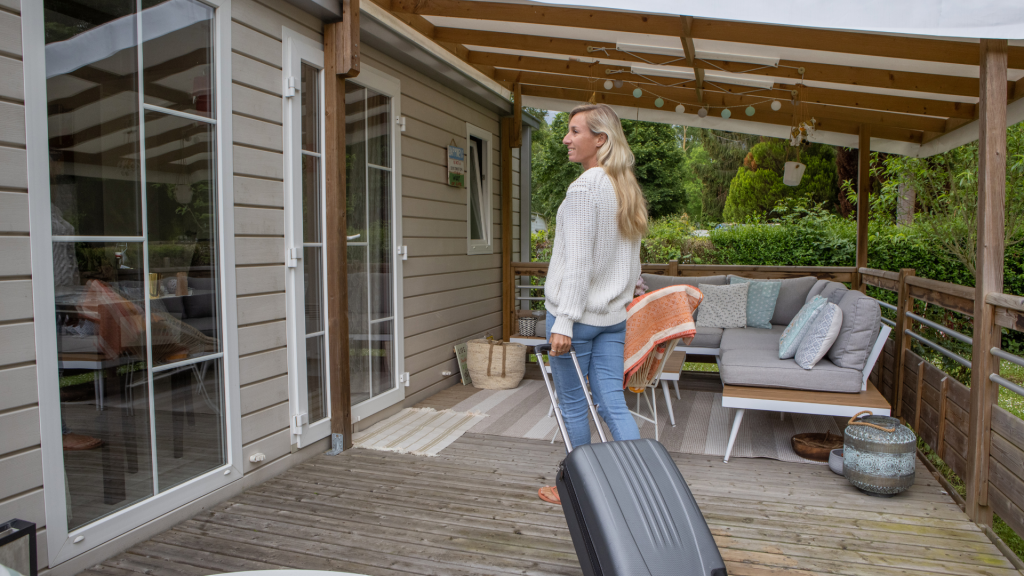
Here’s something you’ve probably felt but never quite put into words: the vacation that was supposed to restore you left you more exhausted than before. Gridlocked park entrances, elbow-to-elbow overlooks, trails that feel like rush-hour sidewalks, that’s not a getaway. That’s just stress in a different zip code.
More travellers are waking up to this reality. The shift toward remote scenic escapes isn’t a niche preference anymore; it’s a full-blown recalibration of what a meaningful trip actually looks like.
Whether you’re chasing mountain stillness, coastal seclusion, or the particular hush of a desert at dawn, the difference between a restorative trip and a frustrating one comes down almost entirely to how deliberately you plan it.
The numbers don’t lie: the National Park Service recorded 323 million recreation visits in calendar year 2025. That figure isn’t shrinking. Finding your own quiet corner of this country demands real intentionality, not just good timing.
Discovering the Joy of Off‑the‑Beaten‑Path Travel
There’s a version of travel that most people never experience, simply because it requires looking slightly past the obvious. Off‑the‑beaten‑path travel isn’t contrarianism. It’s a conscious choice to protect the quality of your limited time away.
Travellers exploring vacation rentals in wyoming with a professionally managed property tend to get considerably more than just a place to sleep. Think curated local access, discreet routing away from the busiest corridors, and the kind of on-the-ground expertise that turns a solid trip into an exceptional one.
The Benefits of Uncrowded Scenic Getaways for Mind and Body
An uncrowded scenic getaway does something fundamentally different from the standard park-and-photograph experience; it gives your nervous system actual room to decompress. Research consistently connects time in quiet natural settings with lower cortisol levels, sharper focus, and noticeably improved sleep. None of that happens while you’re circling a parking lot for forty-five minutes hoping someone pulls out.
And there’s a subtler reward that the research doesn’t quite capture: when a trail or a valley feels like it belongs entirely to you for a morning, the memory embeds itself differently. That’s the kind of travel people talk about years later.
Essential Criteria to Define a True Hidden Scenic Retreat
Let’s be honest, not every destination marketed as “hidden” or “off-grid” actually qualifies as a hidden scenic retreat. The real ones share specific traits: genuine distance from crowd corridors, roads that are accessible but decidedly non-mainstream, natural character that hasn’t been sanitized for mass tourism, and a local ecosystem that hasn’t been hollowed out by overtourism.
Environmental stewardship matters here, too. The places worth returning to are the ones where visitors actually leave them better, or at minimum, unchanged.
Top Peaceful Travel Destinations in the U.S.
Narrowing your search starts with knowing which regions reliably deliver solitude. These peaceful travel destinations span geography and season, which means most travel styles have a viable option.
Wyoming Wilderness: America’s Last Best Secret
Wyoming occupies a category of its own. The sheer scale of its undeveloped landscape is genuinely staggering: Grand Teton, the Bighorn Mountains, the Wind River Range. Jackson Hole anchors the luxury end of the regional market, but even there, the wilderness begins minutes from town. Fly fishing, serious hiking, and stargazing without light pollution are available at a caliber that’s difficult to find elsewhere in the contiguous United States.
Appalachian Hideaways and Smoky Mountain Solitude
The East has its own brand of quiet, and it surprises people who expect nothing beyond Gatlinburg. The Roan Highlands, Greenbrier backcountry, and Cades Cove at first light offer a stillness that genuinely catches first-timers off guard. Waterfall trails here are shorter and far less trafficked than you’d assume. Farm-to-table dining in these communities feels rooted rather than performative.
Underrated Coastal Retreats on the Pacific and Atlantic Shores
America’s quiet coastlines consistently outperform their reputation. Pacific Northwest inlets, Maine’s working harbour towns, and the Outer Banks backwaters all offer crowd-free shorelines with real wildness intact. Off-grid beach cottages and ocean-view treehouses have improved dramatically in quality; these aren’t roughing-it situations anymore.
Southwest Desert Sanctuaries for Ultimate Peace
Southern Utah’s slot canyons, New Mexico ghost ranches, West Texas sky islands, the desert Southwest produces a silence that feels almost tactile. Dark sky reserves here rank among the best on earth. Bring a blanket, stay late, and let the sky do what it does.
Crafting Your Remote Scenic Escape
Good intentions don’t build a great trip. Logistics do. A genuinely restorative remote scenic escape is built on deliberate accommodation choices, careful safety planning, and intentional experience design.
Choosing the Perfect Vacation Rental for a Secluded Getaway
The lodging decision shapes everything downstream. A significant 67% of travelers prioritize professionally managed properties when booking, and in remote destinations, that preference becomes even more practical. When something goes sideways far from the nearest town, a responsive local team is worth considerably more than a lockbox and an 800 number.
Seek out cabins, eco-domes, or wilderness lodges with transparent policies, genuine local knowledge, and clear channels of communication, not just an automated welcome message.
Planning for Safety, Comfort, and Connection Off-Grid
Packing smart for remote terrain means building in contingencies: satellite communication devices, surplus food, weather-appropriate layering, and offline maps downloaded before you lose signal. Don’t assume coverage exists where you’re going; confirm the opposite.
That said, balance the desire to unplug with practical responsibility. Your emergency contacts need your itinerary. Knowing your nearest urgent care location is not excessive caution; it’s professional travel behavior.
Bucket-List Experiences Beyond the Tourist Track
Once logistics are locked in, the genuinely interesting part begins. Private wildlife safaris, night sky photography workshops, Indigenous-led cultural experiences, and guided foraging walks are increasingly available in remote regions, and almost entirely invisible to algorithm-driven travel platforms.
Finding locally organized events takes a bit more digging, but they consistently deliver the kind of memory that outlasts anything a crowded attraction could produce.
Insider Tips for Maximizing Your Uncrowded Scenic Getaway
Knowing where to go is only half the equation. Knowing when and how is where real travel expertise lives.
Leveraging Local Knowledge and Guides
Park rangers, Indigenous hosts, and community-based guides carry knowledge that no travel site can replicate. They know which trails drain well after rain, which viewpoints stay quiet until mid-morning, and which local businesses genuinely depend on traveler support. Approach those relationships with respect rather than extraction, ask thoughtful questions, honor land stewardship protocols, tip generously.
Seasonality Secrets: When to Visit for Maximum Solitude
Timing reshapes every destination. Spring shoulder seasons in the Rockies, early autumn in Appalachia, late winter in the desert Southwest, all of these windows deliver dramatically fewer crowds alongside spectacular conditions. Climate-aware planning also protects you in practical terms: fire season, monsoon closures, and late snow are real variables that belong on any serious itinerary.
Your Peaceful Travel Destinations Planning Checklist
| Planning Step | Key Action |
| Research & Booking | Choose professionally managed, verified rentals |
| Packing | Satellite device, offline maps, weather layers |
| Safety | Emergency contacts, medical locations, park rules |
| Sustainability | Leave-no-trace, support local businesses |
| Timing | Shoulder season, early morning trailheads |
| Experience | Book local guides, skip algorithm-top attractions |
Escaping the Crowds
Crowd-aware travel isn’t pessimism. It’s precise, professional planning with a clear purpose. When you combine genuinely hidden scenic retreats, professionally managed lodging, shoulder-season timing, and locally connected guides, you build a fundamentally different kind of trip, one that actually restores you rather than depleting you further.
Demand for peaceful travel destinations will keep climbing. The window for discovering them before they saturate every travel feed is narrowing every season. The travellers who plan now, plan deliberately, and plan with the right partners will be the ones who still find the quiet places that make the whole thing worthwhile. That could be you, but only if you start before everyone else does.
Frequently Asked Questions
Which U.S. destinations are best for avoiding crowds?
Wyoming’s Wind River Range, Appalachian Highlands, Maine’s quiet harbors, and Southwest desert regions consistently deliver seclusion, especially outside the July and August peak windows.
What makes vacation rentals in wyoming ideal for a remote scenic escape?
Opting for vacation rentals in Wyoming connects travellers to wilderness and privacy that few other regions can match, particularly when backed by professional, locally grounded management that understands discreet routing, concierge logistics, and the nuances of backcountry access.
Can I work remotely from an uncrowded scenic getaway?
Many professionally managed cabins now include satellite internet. Confirm connectivity specifications before booking, and maintain an offline backup plan for any time-sensitive commitments.