Most MSG myths trace back to a single letter written in 1968, not to a body of evidence. Monosodium glutamate is the sodium salt of glutamic acid, an amino acid found naturally in tomatoes and cheese. The US Food and Drug Administration classifies it as generally recognized as safe, and it has to be named on the label when it is added to food.
Yet the seasoning still carries a reputation that few ingredients could survive. Menus promise “No MSG” as if it were a contaminant, and plenty of home cooks who happily grate Parmesan would never shake a spoonful of the white crystals into a pot.
Here is how the story went wrong, taken one myth at a time, with the facts drawn from the FDA and established science historians.
Key takeaways
- MSG is the sodium salt of glutamic acid, the same glutamate found in tomatoes, cheese and digested protein.
- Kikunae Ikeda isolated glutamate from seaweed broth in 1908, and commercial MSG followed in 1909.
- The “Chinese restaurant syndrome” label grew out of a 1968 letter that also named salt and cooking wine as possible causes.
- The FDA treats MSG as GRAS and requires it to be listed as “monosodium glutamate” when added.
- Adults take in far more glutamate from ordinary protein than from added MSG.
Where MSG came from
In 1908 the Japanese chemist Kikunae Ikeda set out to explain why dashi, the broth made from kombu seaweed and dried fish, tasted so deeply savoury. As Smithsonian magazine recounts, he isolated glutamic acid from the kombu and named the taste umami, from the Japanese word umai, meaning delicious. That idea, a fifth taste alongside sweet, salty, sour and bitter, is now standard food science.
Ikeda patented a way to make the seasoning, and commercial production began in 1909 under the name Ajinomoto, meaning essence of taste. Today, according to the FDA, MSG is no longer extracted from seaweed broth. It is made by fermenting starch, sugar beets, sugar cane or molasses, a process the agency says is similar to the one used to make yogurt, vinegar and wine.
What MSG is, and where the scare began
Myth 1: MSG is an artificial chemical with no natural equivalent
This is the root misunderstanding. The FDA explains that when proteins are digested they release free glutamate, which is chemically the same as the glutamate in MSG. Your body does not keep separate books for the glutamate in a tomato and the glutamate in a shaker.
Tomatoes and Parmesan are rich in natural glutamate, which is part of why they make food taste so satisfying. Cooks have leaned on glutamate-rich ingredients for flavour for a very long time. MSG simply delivers it in a clean, measurable form.
Glutamate from a tomato and glutamate from a shaker are the same molecule. Only the reputation is different.
Myth 2: “Chinese restaurant syndrome” was proven science
In April 1968, a Maryland physician named Robert Ho Man Kwok wrote a letter to the New England Journal of Medicine describing a racing heart, weakness and numbness after eating at Chinese restaurants. The Science History Institute notes that he floated three possible culprits: salt, cooking wine, or perhaps MSG. It was a speculative letter, not a study.
The journal then published responses from other readers, and the symptoms they reported were all over the map, from fainting to back spasms to sweating. One neurologist wrote in to say he cooked with MSG at home and felt nothing. Small, poorly controlled experiments that followed helped harden the label anyway.
Historians also point out the obvious inconsistency. Americans had been eating MSG in processed foods for decades without alarm, and the panic attached itself specifically to Chinese cooking. The name did as much damage as any data.
Myth 3: MSG is unregulated and hidden in food
The opposite is true. The FDA considers the addition of MSG to foods to be generally recognized as safe, or GRAS. When MSG is added to a packaged food, the ingredient list must name it as “monosodium glutamate.”
Ingredients that naturally contain free glutamate, such as hydrolyzed vegetable protein, autolyzed yeast, hydrolyzed yeast, yeast extract, soy extracts and protein isolate, must also be listed by name. The label does not have to spell out their glutamate content, but the ingredient itself is on the panel for anyone who looks.
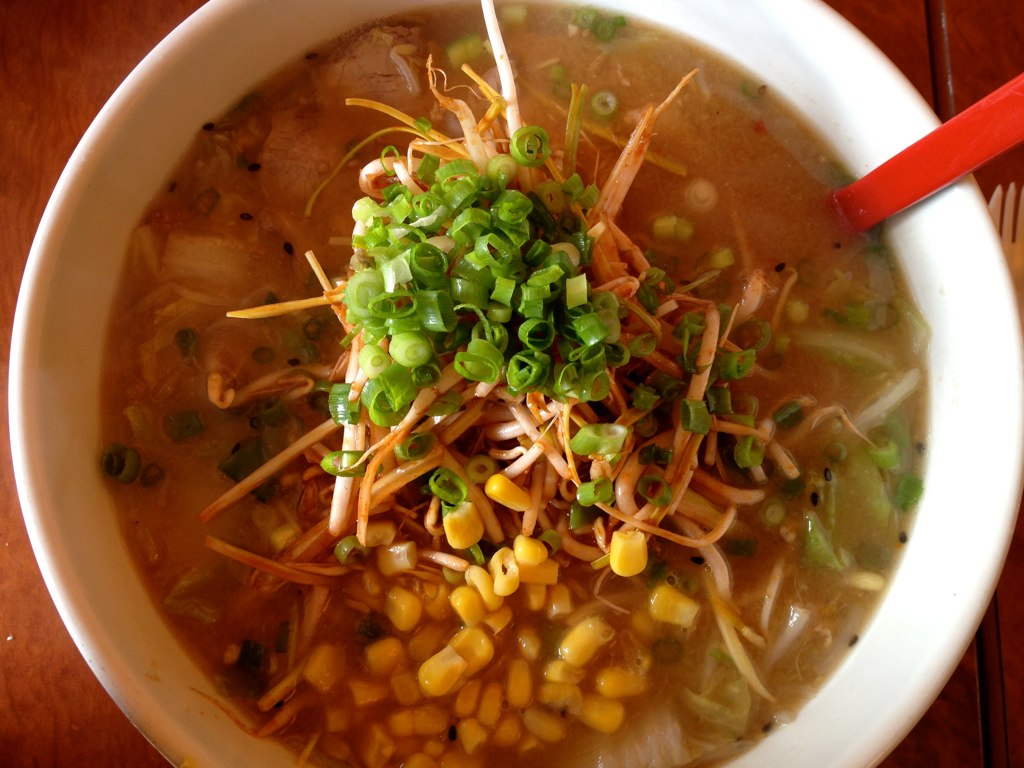
Labels, doses and reactions
Myth 4: A “No MSG” label means no glutamate
A “No MSG” sign tells you the seasoning was not added. It does not tell you the food is free of glutamate, and the FDA draws that line clearly. Products containing ingredients that are natural sources of free glutamate, such as the hydrolyzed proteins and yeast extracts above, may not claim “No MSG” or “No added MSG” on their labels.
For restaurants, the lesson is practical. A kitchen can drop the shaker and still serve plenty of glutamate through stocks, aged cheese and tomatoes. The flavour is doing what flavour does.
Myth 5: Sprinkling MSG loads you with glutamate
The numbers point the other way. The FDA estimates that the average adult eats about 13 grams of glutamate a day from the protein in food. Intake of added MSG is estimated at around 0.55 grams a day.
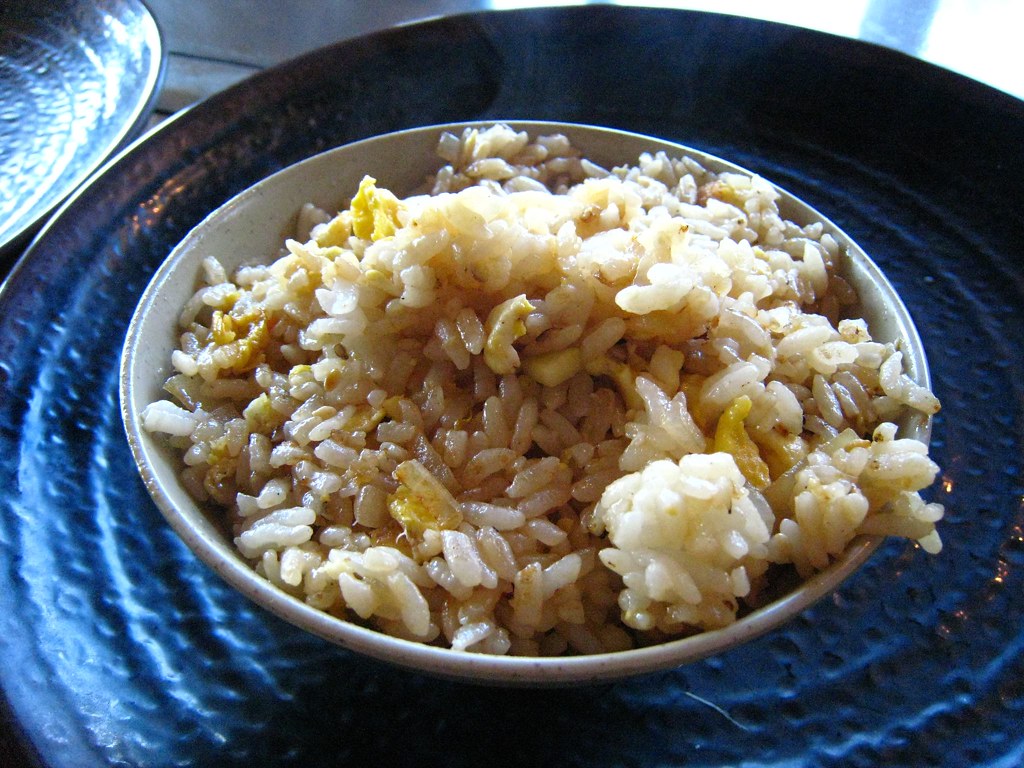
In other words, the glutamate in your diet mostly comes from the food itself, not the seasoning. A pinch of MSG in a pan of fried rice is a small addition to a much larger daily total.
Myth 6: Nobody ever reports a reaction
Being fair to the science means acknowledging what the FDA actually says. Many people identify themselves as sensitive to MSG, although in studies where such individuals were given MSG or a placebo, scientists have not been able to consistently trigger reactions.
In the 1990s, the FDA asked the Federation of American Societies for Experimental Biology (FASEB) to review the evidence. The report concluded that MSG is safe. It also identified some short-term, generally mild symptoms, such as headache, numbness, flushing and tingling, in some sensitive people who consumed 3 grams or more of MSG without food. The FDA notes that a typical serving of a food with added MSG contains less than 0.5 grams. Anyone with concerns about their own reactions should talk to a healthcare provider rather than rely on a menu sign.
MSG myths and facts at a glance
| Myth | Fact | Source |
|---|---|---|
| MSG is an artificial chemical | It is the sodium salt of glutamic acid; digested protein releases the same glutamate | FDA |
| Chinese restaurant syndrome was proven | It began as a 1968 letter that also named salt and cooking wine | Science History Institute |
| MSG is hidden and unregulated | It is GRAS and must be listed as “monosodium glutamate” | FDA |
| “No MSG” means no glutamate | Foods with natural glutamate sources may not claim “No MSG” | FDA |
| Added MSG is a major glutamate source | About 13 g a day comes from protein vs about 0.55 g from added MSG | FDA |
| Nobody reports symptoms | FASEB found mild, short-term symptoms in some sensitive people at 3 g or more without food | FDA |
For more on how ingredients earn and lose their reputations, browse our food culture stories, or read our explainer on umami.
FAQ
Is MSG the same as salt?
No. MSG is the sodium salt of glutamic acid and contributes a savoury, umami taste. Table salt is sodium chloride and tastes salty.
Who discovered MSG?
Kikunae Ikeda, a Japanese chemist, isolated glutamate from kombu seaweed broth in 1908. Commercial production started in 1909.
How do I know if a food contains added MSG?
Check the ingredient list. In the US, added MSG must appear as “monosodium glutamate.” Ingredients like yeast extract or hydrolyzed vegetable protein contain natural glutamate too.
Why do some restaurants still advertise “No MSG”?
Largely as a legacy of the 1968 scare and the customer expectations it created. The sign tells you the seasoning was not added, not that the food is glutamate-free.
Try it in your own kitchen
The easiest way to judge MSG is to taste it. Make two small bowls of the same broth or scrambled eggs, add a light pinch of MSG to one, and compare. Then look at the labels in your pantry and see how many already list yeast extract or hydrolyzed protein. If you cook for a restaurant, our menu labeling basics can help you word ingredient notes clearly for guests.
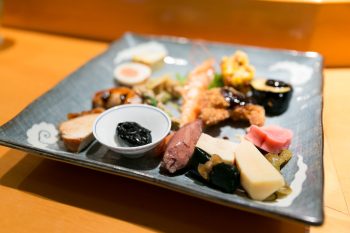
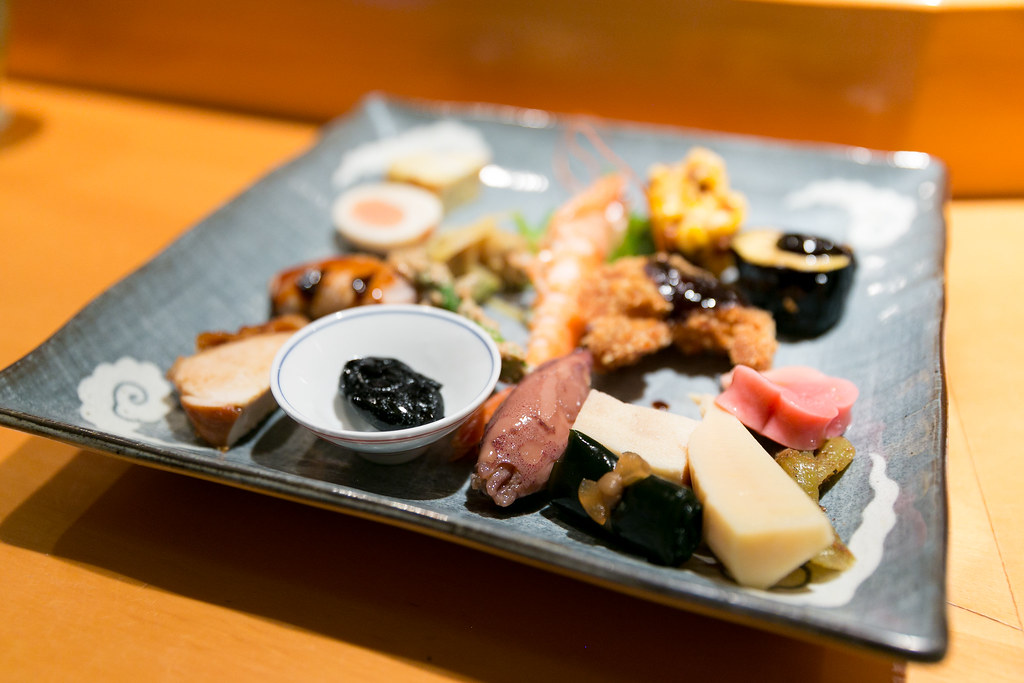
Featured photo: Tamago, mentaiko, baby clam shell with ginger, asparagus with sesame paste, chicken breast, broiled shrimp, eggplant with miso, sweet corn, tonkatsu, baby squid, kombu seaweed, dried tofu, Ifuki mountain potato, bamboo shoot, gluten pink mochi, sweet fava by City Foodsters, BY 2.0.