These days, picking what to eat at a restaurant feels oddly complicated. Online, you’re greeted with endless menus—pages and pages of dishes, each promising something new before you even leave your house.
But once you’re actually sitting at the table, the menu in your hands probably looks much shorter. Fewer options, clearer categories, and a very different decision-making vibe.
This back-and-forth between online abundance and in-person simplicity completely changes how we choose our meals. It’s no wonder deciding what to order now feels both easier and harder, depending on where and how you’re looking at the menu.
Online exploration: the illusion of endless choice
That feeling of scrolling through online menus before you even step outside? It’s become a kind of ritual for so many of us. You sit on your couch or stand in the kitchen, phone in hand, and suddenly there’s this buffet of possibilities—far more than what you’d see on a paper menu at the table.
Restaurants know this is how we start making decisions now. Over 75% of diners check out a restaurant’s website or online profile before heading out, and it’s not just about the food. You’re looking at photos, reading through reviews, sometimes even imagining the whole meal before it happens. There’s an odd comfort in having every option laid out, as if that will make the final choice easier.
But here’s the twist: more options mean more work. When you’re faced with page after page of dishes—different cuisines, specials, dietary notes—the process of picking what you really want can quietly turn from fun to overwhelming. It’s the paradox of choice at play. Studies found that 79% of Americans actually struggle to decide what to order, simply because there’s too much to consider.
People don’t just compare food these days. They weigh restaurants by delivery options, unique offerings, and even payment flexibility. For example, it’s now common to see diners interested in places or even bookmakers that accept crypto, showing how digital convenience seeps into every part of our decision-making.
So online, you get this sense of unlimited freedom. You can imagine yourself ordering anything—and maybe everything. But in reality, wading through all those choices can end up making things tougher, not easier. The digital menu is a playground, but it’s also a maze, shaping what you think you want long before you sit down at the table.
The in-person pivot: from overwhelm to streamline
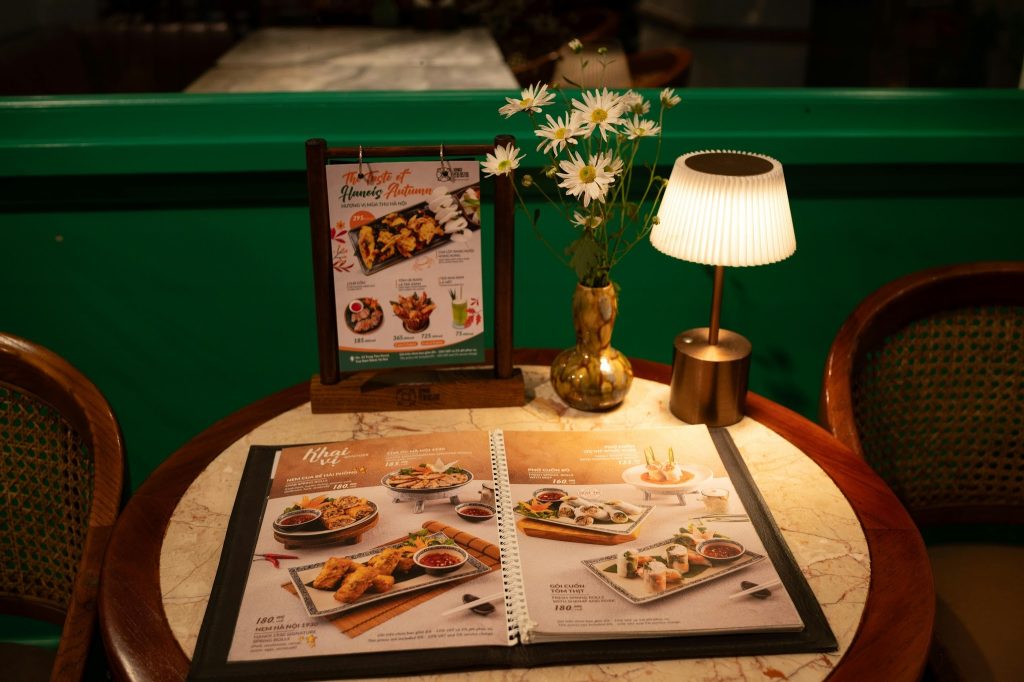
Then you walk into the restaurant, and the menu suddenly feels much smaller. There’s a shift from endless scrolling to a list that’s trimmed, focused, and surprisingly manageable.
Restaurants know that too many choices can freeze people up—nearly eight out of ten Americans struggle with decision-making when faced with overwhelming menu options. That’s why many are choosing to pare things back, offering fewer categories and more obvious favorites right up front.
It can feel a little jarring if you’ve just spent an hour online comparing dishes and dreaming up meal combinations. But that editing is intentional. By simplifying in-person menus, restaurants help guests move past hesitation and actually make a choice, rather than getting stuck in a loop of indecision.
This isn’t just about speed, either. The push to streamline is part of a bigger movement in hospitality—making the dining experience more enjoyable by reducing stress and keeping things clear. You see it in the way menus are organized, the use of bold categories, and the focus on bestsellers.
For a closer look at how this approach is shaping the industry, Streamlining restaurant menus offers some perspective on why less can really be more at the table.
Digital habits shift expectations at the table
Technology has changed the way we walk into restaurants, often before we even sit down. Many of us have already scanned a QR code or browsed photos online, creating a picture in our minds of what we want to order.
This digital-first habit means we’re arriving with specific cravings, opinions, or sometimes even a chosen dish in mind. When faced with a streamlined paper menu at the table, there’s often a disconnect—what we expected to find and what’s actually on offer might not always match up.
It’s not just about convenience. The expectation of digital access is now part of the dining experience itself. A majority of full-service restaurant customers—nearly 59 percent—say they’d use their phones to access a menu if given the choice. This constant connectivity blurs the line between online browsing and in-person decision-making.
Some diners even feel unsettled if they can’t quickly reference an online menu or see images of their food. The speed at which we’re used to making choices online can clash with the slower, more curated experience in the dining room.
The push for tech-enabled menus continues to grow, as restaurants realize that Interactive menus are essential to meeting these new expectations. The digital habits we bring to the table are shaping everything from the way menus look to how quickly we expect to place an order and enjoy our meal.
When fewer choices lead to better meals
After all those digital previews and scrolling, sitting down to a menu with fewer options can feel like a relief.
It’s not just about speed—it’s about how we feel about our meal afterward. Research shows that almost 8 out of 10 Americans struggle to choose what to order when faced with too many options, and that sense of overwhelm can stick with you long after you leave the table.
When restaurants trim down their menus, they’re doing more than making things easier for the kitchen. Fewer choices help guide diners toward the dishes the kitchen does best, often raising the chances you’ll get something memorable instead of just good enough.
As food trends shift and restaurants keep looking for ways to stand out, many are finding that focusing on a smaller group of well-loved dishes actually means happier guests and smoother service. If you’re interested in how these shifts are shaping what ends up on your plate, you might find Food Trends Impact worth a look.
It’s funny how, after skimming endless online choices, a short list in person can feel just right. Sometimes, less really is more—for restaurants and for those of us trying to enjoy a meal without second-guessing every bite.
What the menu shift means for the future of dining
The way menus have changed—expansive online, concise in person—seems like it’s not just a passing phase. Restaurants are figuring out how to juggle behind-the-scenes efficiency with what diners expect, especially as so many of us now check menus and reviews from our phones before we ever walk in.
This blend of digital browsing and real-world decision-making will keep shaping where and how we eat. Restaurant owners and marketers will need to tune into these habits, finding that sweet spot between offering enough variety online and keeping things manageable at the table.
For anyone in the business, exploring different Marketing Channels is just part of the puzzle. The real challenge is making sure guests feel both excited by the possibilities and comfortable with the choices they actually face in person.