Restaurant kitchens are among the most hectic environments in the food service industry. Chefs and kitchen staff hustle to prepare meals while ensuring that food safety standards are met. This relentless pace, combined with the presence of sharp tools, hot surfaces, and various food products, creates a perfect storm for accidents. Maintaining safety standards in these busy kitchens is a regulatory requirement for protecting staff, ensuring food quality, and creating a positive dining experience. Adopting effective strategies can significantly diminish risks and promote a safer work environment.
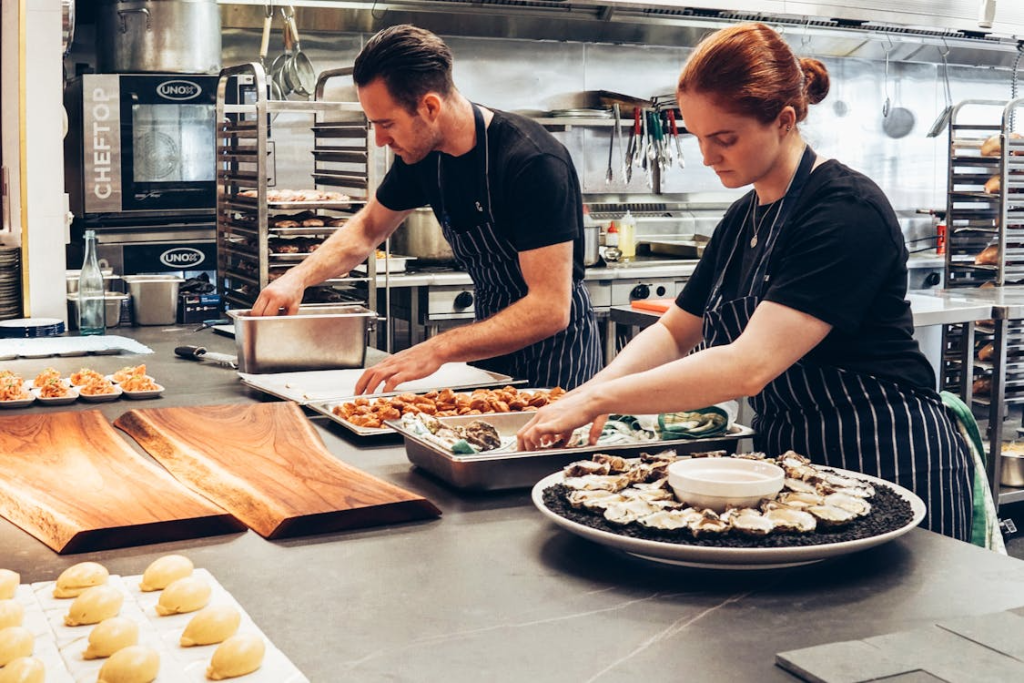
Understanding Common Kitchen Hazards
Restaurant kitchens face a variety of hazards that can pose risks to staff. Common physical hazards include slips, trips, and falls caused by spills, cluttered floors, or improperly stored equipment. Burn injuries are frequent due to contact with hot grills, ovens, potholes, and boiling liquids. Foods requiring slicing or cutting can lead to lacerations if not handled properly.
Ergonomic hazards arise from repetitive motions and awkward lifting, potentially leading to musculoskeletal disorders. Understanding these hazards is critical. Employees need to recognize the specific risks associated with their tasks and environments, enabling them to take necessary precautions. Regular training sessions on safety practices can keep these hazards top of mind, resulting in better awareness among staff.
Implementing Proper Training and Education
Effective training and education are vital components in maintaining safety standards within restaurant kitchens. All staff, from chefs to dishwashers, should receive thorough training on safety protocols, including how to handle kitchen equipment properly. New hires should undergo a comprehensive orientation, incorporating hands-on training for high-risk activities. Regular refresher courses can further ensure that everyone remains informed about the latest safety guidelines and best practices.
Implementing peer-led training sessions can encourage open discussions about safety concerns and help staff feel empowered to address issues. Resources such as safety data sheets (SDS) should be readily available, providing crucial information on the proper handling of cleaning supplies and chemicals. Establishing a culture of safety within the kitchen allows employees to take accountability for their actions, fostering an environment where everyone looks out for one another.
Proper Equipment Usage and Maintenance
Effective operation of kitchen equipment is important for safety and efficiency. Regular checks should ensure that all tools and appliances are in good working condition, free of defects that could result in accidents. Ensuring that knives maintain a sharp edge decreases the risk of slips during cutting tasks. The staff should have access to appropriate personal protective equipment (PPE) such as heat-resistant gloves and non-slip shoes. Regular inspections of ovens, fryers, and other heat-generating devices help prevent malfunctions that could cause burns or fires.
Regular maintenance ensures that critical systems function as intended, reducing wear and tear that might otherwise lead to accidents. When staff follow the manufacturer’s guidelines for equipment use, they mitigate the risks of injury. In severe cases, consulting with legal experts, like Bethlehem’s trusted injury attorneys, can provide insight into how to effectively handle workplace incidents involving safety equipment failure. These professionals can help determine liability and ensure affected employees receive proper compensation for any damages or injuries sustained.
Food Safety Protocols and Cleanliness
Maintaining food safety is integral to restaurant operations. A systematic approach to cleanliness helps prevent foodborne illnesses, safeguarding both staff and customers. Regular sanitation schedules should be established, ensuring that all surfaces and equipment are consistently cleaned and disinfected. Proper storage of food, including the correct temperatures and containment methods, plays a pivotal role in minimizing contamination risks. Staff must wash their hands frequently, particularly after handling raw ingredients, and employ gloves when necessary.
Keeping areas free of clutter and hazards contributes to operational safety and promotes a streamlined workflow. Regular audits of food safety practices can uphold accountability, while manager oversight ensures compliance with regulatory standards. Establishing a food safety manager to oversee these protocols can be beneficial, creating a designated point of contact for any food safety issues that arise.
Establishing Clear Communication Channels
Effective communication significantly impacts safety in the kitchen. Open dialogue helps staff feel comfortable voicing concerns or reporting hazards without fear of repercussions. Regular team meetings can help reinforce the importance of maintaining safety standards and provide an opportunity for staff to share their insights. Establishing a reporting system for near-misses or accidents can lead to important insights that improve safety protocols.
Clear signage indicating dangerous areas or equipment can enhance awareness and adherence to safety practices. Encouraging collaboration among departments can further enhance the safety climate within the restaurant. Proper communication fosters a cohesive team environment, making the kitchen operations more efficient.
Encouraging a Culture of Safety and Accountability
Creating a culture centered on safety and accountability ensures that staff feel valued in adhering to protocols. When management prioritizes safety by modeling appropriate behavior and reinforcing safety standards, employees are more likely to adopt similar attitudes. Recognizing and rewarding safety-conscious behavior, whether through employee of the month programs or incentives, promotes the idea that safety is a shared responsibility.
Regular feedback about adherence to safety protocols can help staff understand the importance of their individual contributions. Ongoing assessment of safety practices allows management to identify areas for improvement, ensuring a continually evolving environment where both staff and patrons remain protected.
As restaurant kitchens bustle with activity, ensuring consistent safety measures is paramount to protecting the well-being of staff and customers alike. By identifying hazards, providing adequate training, maintaining equipment, enforcing food safety protocols, encouraging clear communication, and fostering a culture of safety, restaurant management can significantly reduce the risk of accidents.