In today’s fast-moving and often tough economy, cafés keep looking for ways to stand out, keep regulars coming back, and stay profitable. The good news: improving the customer experience does not always mean spending a lot. Many strong changes can be made without adding to day-to-day costs.
The key is to use practical ideas that make customers feel they get more value, help the team work faster, and build stronger customer relationships. This matters even more as costs rise-like Arabica coffee prices going above $4 per pound in 2025 due to extreme weather, market speculation, and supply chain problems-and as customer habits change.
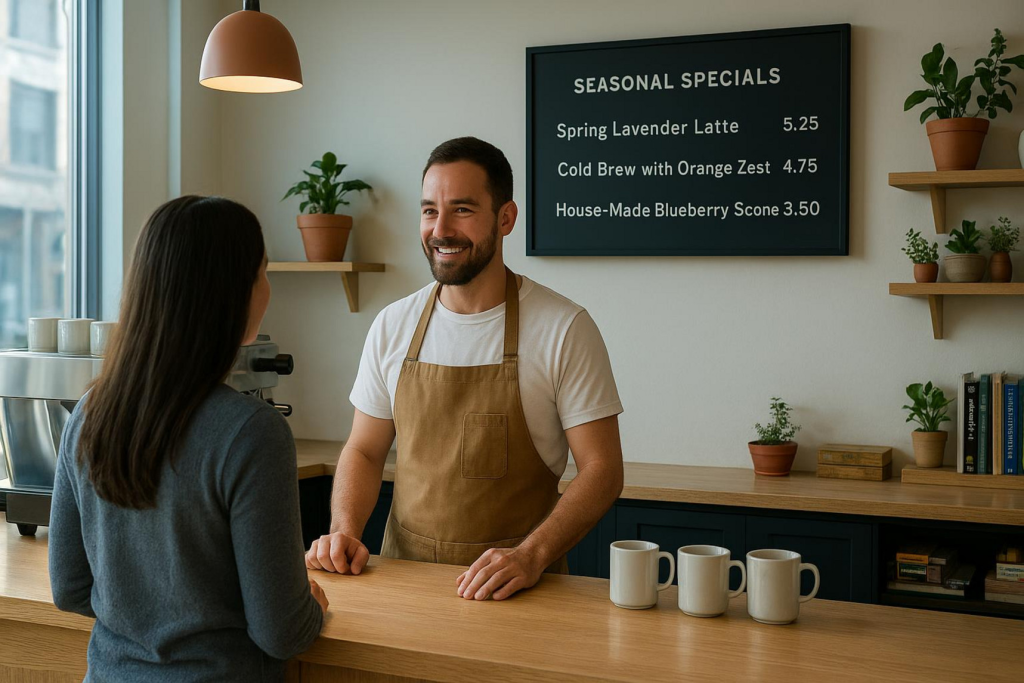
Instead of raising prices again and again (which can hurt loyalty), cafés can use small but smart upgrades. One clear example is using easy-to-read, well-placed cafe menu boards to draw attention to high-margin drinks and seasonal specials, helping customers spot premium options quickly and comfortably.
The coffee industry overall is under pressure from inflation, supply chain delays, and global tensions that affect trade. With these outside issues, it’s harder for cafés to simply absorb price increases. That forces many businesses to rethink pricing and focus more on running efficiently. This article explains practical, cost-neutral ideas that help cafés keep going-and grow-by creating great experiences that build loyalty and steady sales.
Why Improving Customer Experience Matters for Cafés
Cafés compete in a crowded hospitality market, often with thin margins and busy/slow seasons. With nearby coffee shops, delivery apps, and even home brewing competing for attention, “good coffee” alone is no longer enough. The full customer experience often decides if someone becomes a loyal regular or only visits once. This is even more true now that customers watch their spending closely, so the feeling of “this is worth it” matters more than ever.
Inflation and higher costs make the experience even more important. Raising prices can seem like the easiest answer, but it is not always the best move. Improving the customer journey can pay off by keeping people loyal and bringing them back more often-protecting profits without pushing away price-sensitive customers.
How Customer Experience Affects Loyalty and Revenue
A strong customer experience is what builds loyalty. When people feel welcomed, understood, and consistently happy with what they get, they are much more likely to return. That loyalty leads to more predictable revenue, which helps cafés handle higher ingredient costs, rent, and staffing issues. Harvard Business Review reports that gaining a new customer can cost 5 to 25 times more than keeping an existing one. So retention usually lowers marketing costs and supports a steadier business.
Loyal customers also tend to spend more. They visit more often, buy add-ons, try new items, and worry less about small price changes. For example, getting someone to visit one extra time per week through a simple loyalty reward can add up over months. Research also shows that a 5% increase in retention can raise profits by 25% to 95%. This shows that improving customer experience-even without extra spending-supports long-term growth.
The Link between Perceived Value and Repeat Visits
Perceived value is what customers feel they receive for the price. It is not just the number on the receipt-it is the full picture. With big price increases even for commercial coffee, specialty cafés can highlight what makes their drinks different: better flavor, responsible sourcing, skilled preparation, and a pleasant space. When customers feel the value is high, they are more willing to pay-and they are more likely to return.
Problems start when customers don’t understand why prices went up. If they don’t see better quality or a better experience, they may lose trust and choose a competitor-or start brewing at home. The National Coffee Association’s 2025 report says 71% of coffee drinkers now brew at home (up from 63% five years ago). That means many cafés are becoming more of a “treat” stop than a daily habit. So each visit needs to feel clearly worth it.
Common Challenges When Budgets Are Tight
Cafés in places like Australia, the UK, the US, and Canada are dealing with a “perfect storm” of rising costs. Independent cafés face inflation, tariffs, trade tensions, and supply chain disruptions, all of which squeeze margins and reduce cash flow. Key items like coffee beans, milk, sugar, and packaging have jumped in price. For example, Arabica futures reached a record high of over US $4.30/lb, and green coffee can now make up 60-70% of production costs for some roasters (up from 40-50% just two years earlier).
Labor is also one of the biggest controllable costs. Higher wages help attract and keep good staff, but they reduce profit if sales don’t rise. Rent and utilities add more pressure. With customers more careful about spending, cafés need ways to increase spend per customer without damaging trust or pushing constant price increases.
How to Enhance Customer Experience without Increasing Costs
Improving customer experience is often less about spending more and more about using what you already have better. The goal is to create a place where each visit feels friendly, smooth, and worth the money. By focusing on personal service, a clear menu, and consistent quality, cafés can lift their brand without stretching the budget.
The ideas below use existing strengths-your staff, your menu, and your focus on quality-to make the experience better. These are not “one-week fixes.” They are habits and systems that support long-term loyalty. The aim is for every part of the visit to increase the customer’s feeling of value, so they feel noticed, appreciated, and happy to come back.
Maximize Value through Personalized Service
Personal service starts with paying attention to what different customers want. Some people want speed and a quick hand-off, especially in the morning. Others want a bit of conversation and a familiar face. Teaching staff to spot these signals and respond the right way helps customers feel understood, not rushed through. That turns an order into a real interaction.
When baristas know the menu well and trust what they suggest, gentle upselling feels like good service instead of “sales.” A simple suggestion-like a seasonal drink, a bigger size, or a flavor match-can feel helpful when it fits the moment. When customers feel looked after, they return more often, which lifts revenue without raising prices.
Leverage Menu Engineering and Optimized Offerings
Menu engineering is a practical, cost-neutral way to improve profits and make ordering easier. It means looking at each item’s popularity and its profit. Many flavored lattes have better margins than basic espresso drinks, and filter coffee can bring strong returns with less labor. On the other hand, some drinks take lots of time but don’t add much profit compared to the effort.
If certain items have weak margins, consider removing them or changing the recipe or portion. A simpler menu can speed up service and improve consistency. It also makes decisions easier for customers and helps staff deliver the best items reliably. Put premium options and seasonal drinks in the most visible places on menu boards; digital solutions from Look Digital Signage make updating these highlights instant and effortless. Keep syrups and alternative milks where customers can see them, and present higher-margin choices as normal options instead of “extras.” This makes upgrades feel natural and can raise the average ticket without pushback.
Promote Quality and Consistency in Every Cup
For specialty coffee, consistency matters as much as quality. A drink that tastes great most of the time but is “off” now and then is harder to trust. Customers will often pay more-and come back more-when they know they will get the same great result each visit. Quality can be shown through your beans, your sourcing choices, and how skilled your team is. It also helps to clearly explain what you do: ethical sourcing, careful roasting, and good preparation.
Consistency comes from simple internal standards. Train staff to use the right coffee dose every time, follow clear portion guidance, and use the same recipes for drinks and food. Calibrating equipment regularly is a low-cost habit with a big payoff: it protects drink quality, reduces waste, and can prevent expensive repairs. When customers trust they will get the same well-made drink every time, their trust-and the value they feel-goes up.
Smart Strategies for Improving Value without Spending More
In a tight economy, cutting costs alone is not enough. Cafés also need to increase the feeling of value so customers keep coming back and feel good about spending. This does not require a big marketing budget or a remodel. It often comes from using your team well, building local connections, and offering simple rewards customers care about.
These approaches help turn occasional visitors into loyal regulars. The aim is a full experience where customers feel cared for, their loyalty is noticed, and the café feels connected to the neighborhood. Even if every benefit is not instantly measured, these steps build trust and long-term goodwill.
Empower Staff with Upselling Techniques and Hospitality
Your staff have the biggest impact on customer experience and spend per visit. Train them to upsell in a way that feels like friendly service. The goal is confident, warm recommendations that fit the customer, not a scripted pitch. For example, suggesting a mini-muffin with a flat white, or pointing out a new seasonal smoothie when someone asks for cold drinks, can feel personal and useful.
Simple lines like, “Our raspberry almond croissant goes really well with your cappuccino,” can feel natural. Staff should understand what they recommend and actually like it. To keep motivation high, try friendly upsell challenges, small monthly rewards, and public praise for staff who lift average spend. Short workshops or regular coaching can also build confidence and make this style of service feel normal.
Encourage Repeat Visits through Simple Loyalty Initiatives
Loyalty programs help turn one-time buyers into regulars, raising lifetime value over time. A basic stamp card like “Buy 9 coffees, get the 10th free” still works well. If you want a simple digital option, QR-code check-ins can track visits with less effort for staff. Nucleus Research reports that strong loyalty programs can deliver ROI of 150% or more in the first year, without changing core product costs.
Loyalty also drives word-of-mouth. Nielsen reports that 92% of consumers trust referrals from friends and family more than any other advertising. Add referral rewards like “Refer a friend and both get a free drink.” You can also reward actions beyond purchases, like leaving a review, sharing a post, or bringing a friend. Clear rewards and small surprises (like birthday perks) make loyalty programs a central part of staying strong during uncertain times.
Partner with Local Businesses and Community Initiatives
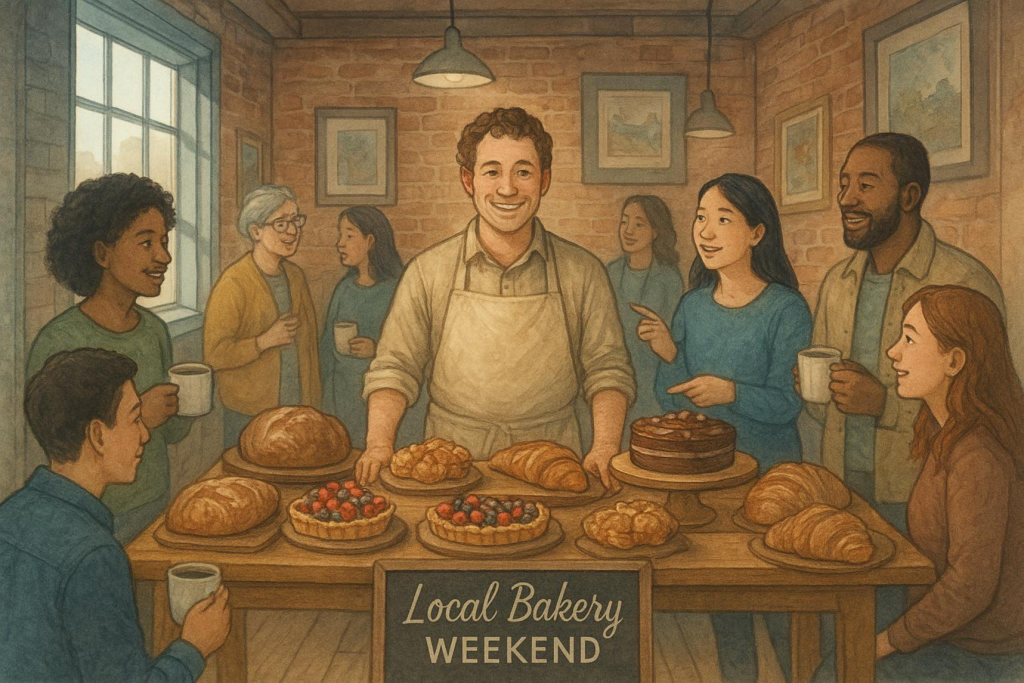
Working with nearby businesses can expand your reach without paying for ads. For example, invite a local bakery to do a weekend pop-up with bagels or cakes; in return, your café serves their customers coffee and drinks. Both sides gain foot traffic and visibility. Promote each other on social media and link to each other online, which also supports local SEO.
You can also team up with co-working spaces or independent bookshops for mid-week deals like “coffee happy hours” or “book-and-brew bundles.” These partnerships bring in new people and give regulars a reason to treat themselves. You can also tie specials to local festivals, markets, or charity events to create interest. Eco-friendly actions can also increase perceived value. Using Fairtrade or Rainforest Alliance-certified beans, offering discounts for reusable cups, or joining a tree-planting program (like planting a tree for every 100 orders through Ecologi) can build pride and loyalty without raising product costs.
Cost-Saving Measures that Improve Customer Satisfaction
Running a café more efficiently often improves customer satisfaction too. When operations are smooth, quality stays high, products are consistent, and service feels easier. These steps are not about lowering standards. They are about smart control, good habits, and less waste, which protect profit and improve the customer experience.
From reducing waste to tightening inventory and planning specials with purpose, small operational upgrades can improve the customer journey. When customers see a café that is consistent and well-run, it strengthens your reputation for value-even in a price-sensitive market.
Reduce Waste for Better Margins and Sustainability
Waste quietly damages profits in food and drink businesses. Reducing it helps costs and supports sustainability. Poor espresso dial-ins, unnecessary purging, and thrown-away shots all reduce margins. Better calibration routines and training staff to watch extraction can increase the number of good cups per kilo of coffee. Milk waste can be even worse, caused by over-texturing, poor forecasting in quiet times, and careless pouring.
Use clear portion guidance, simple workflows, and standard recipes for drinks and food. Track waste from spoiled stock, over-prep, and customer leftovers to spot patterns. Find uses for leftovers, like turning day-old pastries into crumbs for desserts, or using extra brewed coffee in recipes. Offering smaller sizes or helping customers order the right amount can also cut waste while improving the customer’s view of your café.
Stock Smartly: How Inventory Management Benefits Guests
Good inventory control lowers costs and keeps ingredients fresh, which customers notice. Overstocking milk, pastries, or certain beans creates waste. Understocking leads to missed sales and frustrated guests. A simple First In, First Out (FIFO) system helps you use older stock first, cutting expiry waste and keeping ingredients fresh.
Regular stock checks help you see usage patterns and forecast demand, so you can adjust orders. Strong supplier relationships may help with pricing and better delivery options, like smaller and more frequent drops that match your needs. Keeping stock lean and planning for seasonal demand helps cafés react faster and keep quality steady without tying up cash in unused items.
Offer High-Margin or Seasonal Specials Strategically
Your menu is a main tool for controlling costs and increasing profits. Review margins across all items so you can adjust pricing or portion sizes when needed and focus attention on high-margin drinks like flavored lattes or specialty filter coffee. These can also be produced in batches, lowering labor per cup and improving yield per bag of beans.
Seasonal specials help you use ingredients when they are at their best quality and often at a better price, while keeping the menu interesting. Examples include pumpkin-style drinks in autumn, holiday lattes in winter, or summer fruit teas. Linking these to local events can create buzz and bring in new guests. Also, avoid having too many menu items. A smaller, well-chosen menu reduces inventory needs, speeds up service, and often feels more appealing than a long list of options.
Using Technology to Enhance Service and Efficiency
In modern cafés, technology is more than a nice extra. Used well, it can improve customer experience and speed up work without adding major costs. The best approach is to use digital tools to remove friction, free up staff time for better service, and learn what customers prefer. Technology should support hospitality, not replace it.
From ordering to feedback, the right tools can smooth the full visit. They can reduce waiting, speed up service, and encourage add-ons, while also helping you plan staff time and stock better. With the right choices, cafés can meet changing expectations and build a stronger, customer-focused business.
Streamline Processes with Digital Payments and Mobile Ordering
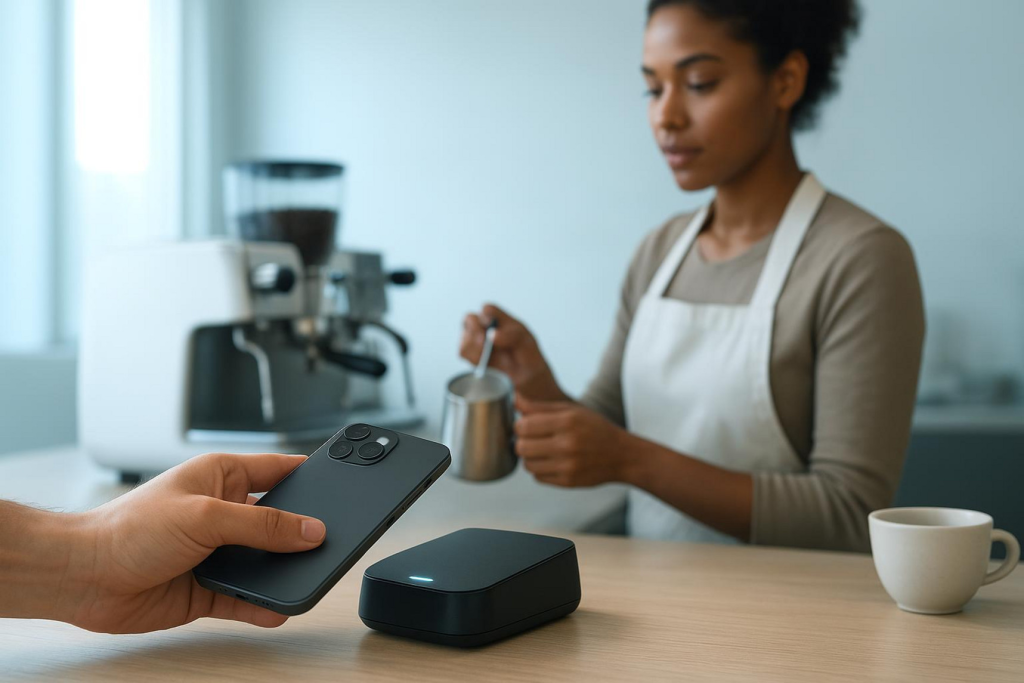
Digital ordering and payments make visits easier and can lift spend without making lines worse. A café app that lets regulars reorder quickly, then suggests a small add-on, can raise spend by up to 15%. Contactless payments and QR-code menus speed up checkout. These tools can also show suggested items during payment, which encourages add-ons in a gentle way.
Digital gift cards also help. Customers pay ahead of time and often spend more than the card value when using it. Gift cards work well for corporate gifts and holiday presents, and they can bring in new customers. When the ordering process is fast and simple, visits feel better and customers are more likely to return.
Automate Routine Tasks to Boost Labour Productivity
Labor is one of the biggest controllable costs in a café. Simple automation can increase output without needing more staff. This does not mean removing the human side. It means using tools that cut repeated manual work, speed up production, and keep drinks consistent. When routine tasks are faster, staff can focus on complex orders and better customer interactions.
Helpful options can include automated milk texturing systems, high-capacity batch brew machines for rush periods, and automatic tampers for quicker, more consistent espresso prep. Integrated POS systems with order-ahead features, super-automatic or bean-to-cup machines, and grind systems that keep calibration steady can also improve flow. These tools reduce mistakes and keep quality stable, so a smaller team can still deliver great service.
Track Performance and Adapt Based on Customer Feedback
If you measure results, you can improve them. Review key numbers to see what affects spend per visit and customer satisfaction. Useful metrics include average transaction value, add-on attach rate (like syrups or pastries), loyalty reward redemptions, and how often seasonal specials sell. Use POS and back-office reports weekly to spot patterns. Even a small improvement-like raising pastry attach rate from 20% to 25%-can add meaningful revenue.
Also collect customer feedback and respond to it. This can come from in-person chats, online reviews, or short digital forms linked in loyalty tools. Keep an eye on competitor prices too, so your pricing fits the experience you offer. By tracking results, listening closely, and adjusting based on real data, you can stay relevant, profitable, and well-liked.
Building a Stand-Out Reputation for Value
In a crowded market, serving good coffee and being “fine” at service is rarely enough. Cafés need a clear reputation for value, where quality, honesty, and care are obvious in daily operations. This is bigger than marketing. It shows up in sourcing, service habits, and how you handle feedback.
A strong value reputation helps customers feel confident choosing you, even as prices rise elsewhere. It builds trust and emotional loyalty, which matter a lot during uncertain economic times. By delivering what you promise, showing what makes you different, and staying connected to the community, a café can become a local favorite that lasts.
Communicate Quality and Transparency Effectively
When costs rise, clear communication about pricing and value helps keep trust. If you raise prices, explain why in a simple way: better beans, ethical sourcing, fair pay for skilled staff, or more sustainable choices. This kind of openness helps customers feel they are paying for real quality and care, not just a basic product.
Highlight local ingredients, a special roasting method (if you use one), or steps you take to reduce waste. Share the people behind the product: farmers, roasters, and baristas. This builds a stronger connection and helps customers feel part of something positive. When people understand where their money goes, value feels higher.
Showcase Signature Items and Themed Promotions
To stand out and raise perceived value, keep promoting signature items and fun, themed specials. These add interest, create conversation, and allow slightly higher pricing because the experience feels unique. Examples include a “Summer Iced Coffee Flight” with three small iced drinks in different flavors, or limited holiday lattes. These promotions also work well for groups, where friends share the experience.
Work with local roasters or makers to create exclusive blends or special pastries that people can’t get elsewhere. Link specials to local events or charity fundraisers to bring in new customers and show community support. Use clear descriptions, attractive displays, and strong placement on menu boards (including digital menu boards) so customers quickly see what makes the items special.
Foster Trust by Being Responsive to Feedback
Trust grows when customers feel heard. Whether feedback comes in person, through reviews, or on social media, respond quickly and with care. Train staff with simple, consistent explanations, such as: “We made a small change so we can keep serving the high-quality coffee and service you expect.” This helps when customers ask about price changes or other updates.
Confident, steady responses help customers feel secure. More broadly, treat feedback as useful input, not as an attack. Listen, make changes where needed, and tell customers what you improved. Over time, this builds strong loyalty and helps customers stick with you even when the economy is shaky.
Key Takeaways: Steps Cafés Can Implement Today
Improving customer experience without raising costs is ongoing work, but it starts with simple actions you can take now. Quick service wins, an involved team, and regular review of results can bring visible improvements fast. These are practical steps that fit daily café life and build a customer-first culture that supports loyalty and profit.
These ideas are also easy to start because they don’t require big spending. They mostly require consistency and care. Small improvements repeated every day can build a strong base for long-term success and help cafés stay valued community spaces, even as the market changes.
Start with Quick-Win Service Improvements
Skip the big overhaul and start with small changes you can apply today. Train staff to greet customers warmly, remember regular orders, and end each visit with a real thank you. Teach staff to make helpful suggestions that feel natural, like pairing a pastry with a coffee. These small habits can lift average ticket size while making the visit more pleasant. The goal is for customers to feel noticed and appreciated from the moment they walk in.
Involve Your Team in Creating Value
Your team shapes the experience every day, so involve them in improving it. Ask them what slows service down, what customers ask for most, and what could be simpler. Cross-train staff so the team can shift roles during busy times without service dropping. Keep upselling fun with friendly competitions and small rewards, and recognize strong performance in front of the team. When staff believe in what they serve and feel trusted to make recommendations, customers feel the difference.
Monitor Results and Evolve with Your Customers
The café market keeps changing due to customer preferences, economic shifts, and new tools. Keep a simple cycle of tracking, reviewing, and adjusting. Watch metrics like average transaction value, add-on attach rate, and loyalty reward use through your POS reports. Gather feedback from conversations and online reviews to see what customers like and what needs work. Then adjust your menu, service style, and loyalty offers based on what you learn. This helps you stay relevant and improve results without wasteful spending.
Conclusion
The coffee industry is often explained as “waves,” and those waves help show why customer experience matters so much. The first wave made coffee widely available. The second wave made coffee more of an “experience,” helped by brands like Starbucks. The third wave focused on craft, origin, and quality. Some people now talk about a fourth wave focused on precision and science, and even a fifth wave that combines scale with boutique-style hospitality. Across all of these changes, one idea stays the same: customers return when they feel value and connection.
Looking ahead, great café service will be about balancing speed and human connection. Automation can make ordering and prep faster, but skilled baristas and real face-to-face service still matter, especially in specialty coffee. The cafés that do well in the coming years will use technology to make things easier while also focusing on friendly, personal relationships. That can come from ethical sourcing, a unique roasting approach, or simply making each customer feel welcome. By building emotional loyalty, staying active in the community, and serving consistent, high-quality drinks, cafés can turn everyday coffee visits into steady repeat business and long-term success.