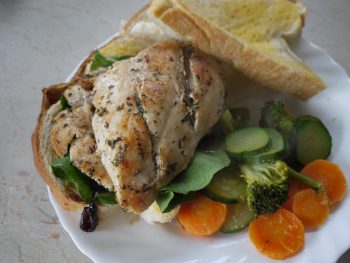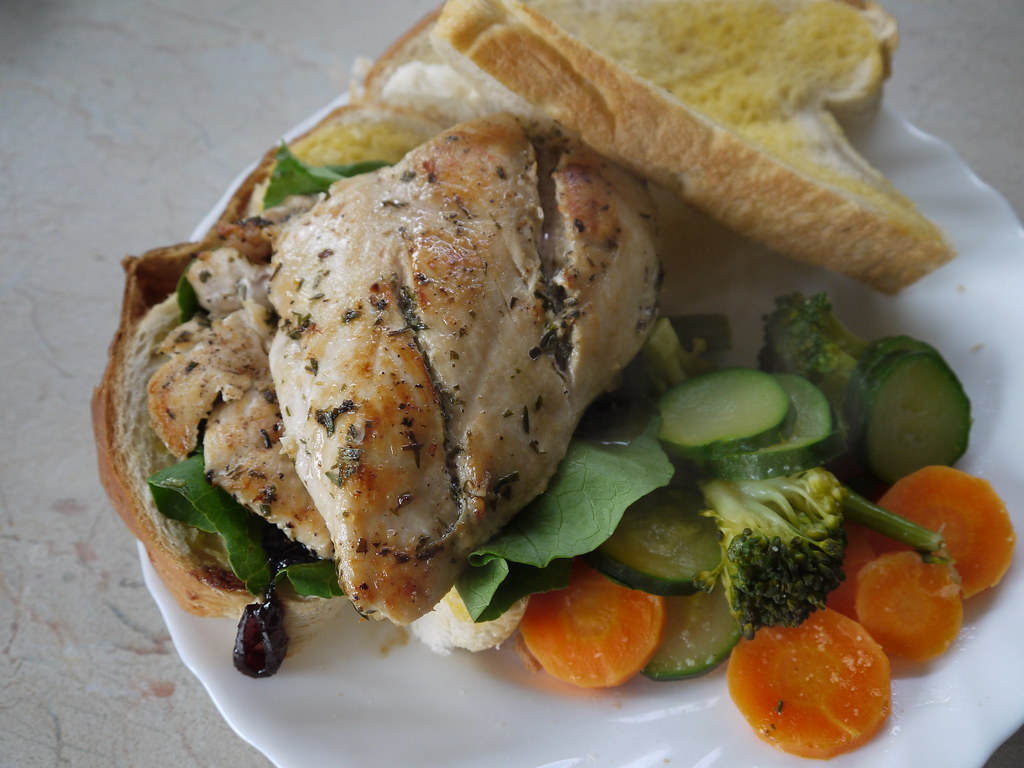
The FDA healthy claim rule rewrites what a food has to contain before it can call itself “healthy” on a label or a menu. The short version: a product now needs a meaningful amount of real food from a recognised food group, and it has to stay under set limits for added sugars, sodium and saturated fat. The agency announced the final rule on 19 December 2024, and brands have until 25 February 2028 to bring existing claims into line.
That sounds like a packaging problem, and mostly it is. But the rule also covers the word when it appears on a restaurant menu board, a grab-and-go fridge or a meal-kit sleeve, and it quietly flips the status of foods like salmon, nuts and olive oil, which the old definition shut out.
Here is what changed, what the numbers are, and how operators and food brands should read the next two years.
Key takeaways
- “Healthy” now requires a minimum amount from at least one food group plus limits on added sugars, sodium and saturated fat.
- The rule took effect on 28 April 2025 after a delay; the compliance date for existing claims is 25 February 2028.
- Salmon, nuts, seeds, some oils and plain water now qualify. Many sugary cereals and fortified snacks no longer do.
- Restaurants making the claim must meet the same definition, but can show compliance with recipes and nutrient databases rather than lab tests.
- The definition covers related words such as “healthier”, “healthful” and “healthiest”, not just “healthy”.
Jump to a section:
- What the FDA healthy claim rule actually changed
- The two-part test every product must pass
- The numbers, food group by food group
- How the rule reaches restaurant menus
- Who wins, who loses, and what to reformulate
- Frequently asked questions
- Your first move this quarter
What the FDA healthy claim rule actually changed
Under the old approach, “healthy” was policed largely through caps on total fat, cholesterol and sodium, plus a requirement to deliver certain vitamins or minerals. That produced some odd results. A heavily fortified, sugar-coated cereal could pass, while a fillet of salmon or a bag of almonds could not, simply because of their fat content.
The new definition, published in the Federal Register, drops the old fat-and-fortification logic and lines the claim up with current dietary guidance. The FDA says nuts and seeds, higher-fat fish such as salmon, certain oils and water did not qualify before and now do, and that some peanut butters and canned fruits and vegetables also qualify.
The dates that matter
- 19 December 2024: final rule announced.
- 25 February 2025: original effective date in the Federal Register.
- 28 April 2025: postponed effective date, after a regulatory freeze delayed the rule.
- 25 February 2028: compliance date. Products that use the claim must conform by then, and brands can switch to the new criteria sooner.
The compliance date did not move when the effective date slipped, so the practical runway is still roughly three years from publication.
The two-part test every product must pass
Every product that wants the word has to clear two hurdles, according to the FDA’s guidance on use of the term.
- A food group contribution. The product must contain a set amount, called a food group equivalent, from at least one food group or subgroup: fruit, vegetables, grains, fat-free and low-fat dairy, or protein foods.
- Nutrient limits. It must stay at or under specific limits for added sugars, sodium and saturated fat, and those limits vary by food group.
There is a shortcut. Nutrient-dense foods encouraged by the Dietary Guidelines, including vegetables, fruits, whole grains, fat-free and low-fat dairy, lean game meat, seafood, eggs, beans, peas, lentils, nuts and seeds, automatically qualify when they contain no added ingredients other than water. A bag of plain frozen peas does not need a spreadsheet.
The rule stops asking how much fat a food has and starts asking how much actual food is in it.
The word itself is also wider than it looks. The final rule applies the definition to derivatives including “healthful”, “healthier”, “healthiest” and “healthily” when they are used as implied nutrient content claims. A menu line reading “our healthier bowl” is in scope.
The numbers, food group by food group
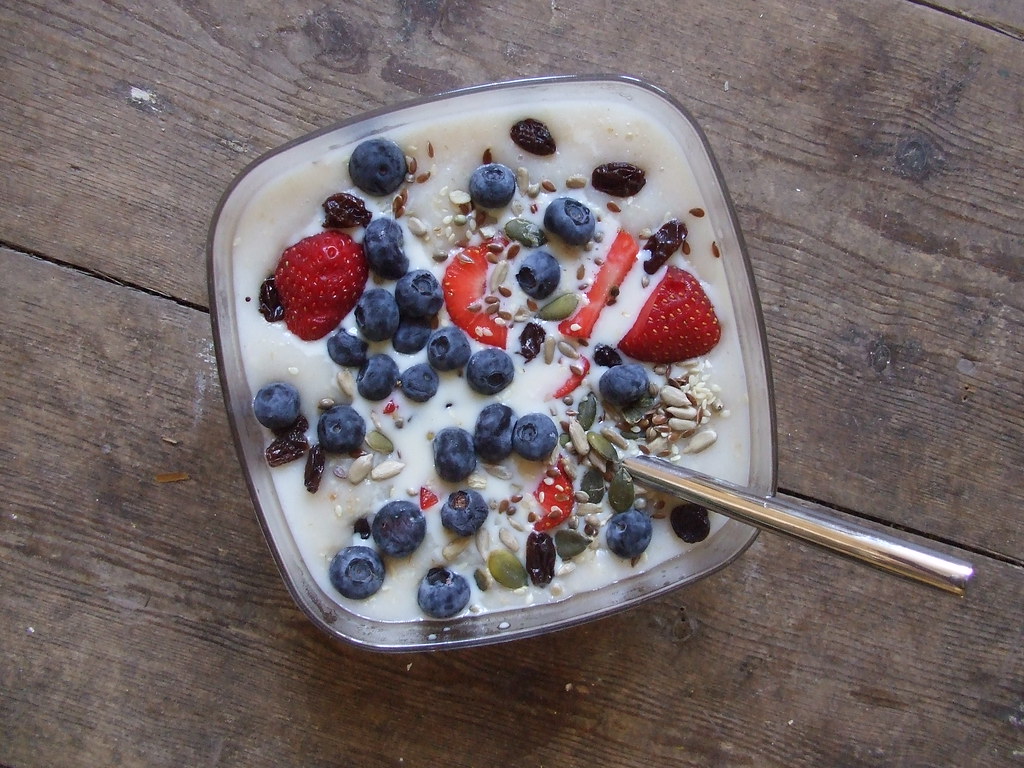
For individual foods, the FDA sets a food group equivalent and three nutrient caps per serving. Sodium is the same across the board at 230 mg, or 10% of the Daily Value. Added sugars and saturated fat move around depending on the group.
| Food group | Minimum amount | Added sugars max | Sodium max | Saturated fat max |
|---|---|---|---|---|
| Grains | 3/4 oz whole-grain equivalent | 5 g (10% DV) | 230 mg | 1 g (5% DV) |
| Dairy | 2/3 cup equivalent | 2.5 g (5% DV) | 230 mg | 2 g (10% DV) |
| Vegetables | 1/2 cup equivalent | 1 g (2% DV) | 230 mg | 1 g (5% DV) |
| Fruits | 1/2 cup equivalent | 1 g (2% DV) | 230 mg | 1 g (5% DV) |
| Seafood | 1 oz equivalent | 1 g (2% DV) | 230 mg | 1 g (5% DV), excluding fat inherent in the fish |
| Eggs | 1 egg | 1 g (2% DV) | 230 mg | 2 g (10% DV) |
| Nuts, seeds, soy | 1 oz equivalent | 1 g (2% DV) | 230 mg | 1 g (5% DV), excluding inherent fat |
| 100% oils | Not applicable | 0 g | 0 mg | 20% of total fat |
Mixed products and meals get their own thresholds. A mixed product needs one total food group equivalent, with at least a quarter equivalent from two or more groups, and caps of 2 g saturated fat, 345 mg sodium and 5 g added sugars. A meal needs three total equivalents, at least half an equivalent from three or more groups, and caps of 4 g saturated fat, 690 mg sodium and 10 g added sugars. The full table lives on the FDA’s healthy claim page, and it is worth printing for whoever writes your labels.
A note on records
When the food group content is not obvious from the label, the rule requires manufacturers to keep records showing it, and to hold them for at least two years after the product goes into interstate commerce. Think of a blended smoothie or a composite grain bowl: if a regulator cannot read the fruit or whole-grain content off the package, you need the paperwork.
How the rule reaches restaurant menus
Restaurants are not exempt. Under 21 CFR 101.13(q)(5), a nutrient content claim on food served in a restaurant has to meet the regulatory definition of that claim. What changes is how you prove it. Compliance can rest on a “reasonable basis”, such as recognised nutrient databases, recipes or other ways of computing nutrient levels, and restaurant claims are exempt from certain disclosure statements required on packaged foods.
In practice, that means a kitchen that labels a dish “healthy” should be able to show the recipe math behind it. If the house vinaigrette pushes the sodium over the line, the claim fails, no matter how much kale sits underneath.
Where operators tend to trip
- Dressings, sauces and glazes. They carry most of the sodium and added sugar in otherwise simple plates.
- Portion drift. A recipe that passes at the costed portion can fail once the line starts over-scooping.
- Supplier swaps. A new brand of stock or canned beans can change sodium enough to break a claim.
- Loose language. “Healthier choice” badges on menus and delivery apps count as the same claim.
If you run a multi-unit concept, it is worth reading our guide to menu labeling alongside this, because nutrition claims and calorie disclosure tend to be managed by the same people.
Who wins, who loses, and what to reformulate
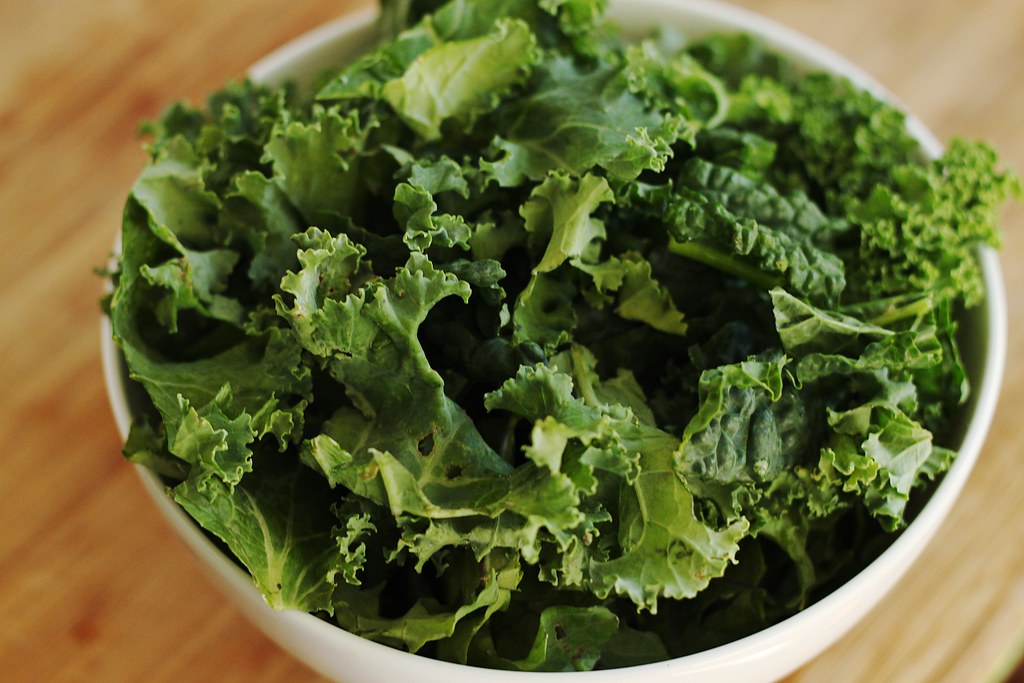
The winners are the foods dietitians have been recommending for years. Plain nuts, salmon, olive oil, eggs, canned fruit in juice and low-sodium canned vegetables all become fair game for the word. Grocery-facing brands in those categories get a marketing claim they could not use before.
The losers are products that leaned on fortification. Sweetened cereals, flavoured yogurts with high added sugar, and snack bars that relied on added vitamins will struggle to meet a 1 g or 2.5 g added-sugar cap. White bread made without enough whole grain also misses the food group requirement.
A sensible reformulation order
- List every SKU or menu item that uses “healthy” or a derivative today.
- Map each one to its food group and check the food group equivalent first; that is the hurdle most processed items miss.
- Run added sugars, sodium and saturated fat against the table.
- Decide per item: reformulate, drop the claim, or rename the product before the 2028 deadline.
- Document the recipe basis and keep it with your spec sheets.
Brands that want an easier consumer signal should also watch for the FDA’s planned symbol. The agency says it is still exploring a front-of-pack mark that manufacturers could use to show a product meets the criteria. For more on how regulation is reshaping the sector, browse our industry news coverage.
Frequently asked questions
Is using the word “healthy” now mandatory for qualifying foods?
No. The claim is voluntary. The rule only sets the conditions a food must meet if a company chooses to use the word or its derivatives.
Can I keep old “healthy” labels until 2028?
Products have until the 25 February 2028 compliance date to conform. You can adopt the new criteria earlier, and many brands will, because the new definition lets foods like nuts and salmon use the claim now.
Does a restaurant need lab testing to call a dish healthy?
Not necessarily. Federal rules let restaurants show a reasonable basis, such as recipes and recognised nutrient databases. The dish still has to meet the definition.
Does water really count as healthy?
Yes. The FDA lists plain water among the foods that now qualify for the claim.
Your first move this quarter
Pull every label, menu, app listing and point-of-sale sign that uses “healthy” or a close cousin, and run each through the two-part test this month. Items that pass can keep or gain the claim; the rest need a recipe change or a new name before February 2028. If you are also reviewing supplier specs, our piece on choosing food suppliers covers the questions to ask, and the restaurant directory shows how other operators present their menus.
Featured photo: Homemade Chicken Sandwich by Yortw, BY 2.0.