Managing a restaurant involves juggling many responsibilities, from ensuring food quality to delivering excellent customer service. One often overlooked aspect is the efficient use of space. With equipment, inventory, and supplies occupying crucial real estate in a restaurant’s kitchen and storage areas, finding ways to optimize these spaces can significantly enhance organization and efficiency. Extra space solutions, particularly in the realm of restaurant equipment storage, can be invaluable for business owners striving to maintain a streamlined operation. This article explores various strategies for maximizing space to ensure your restaurant can run smoothly, even in the busiest of times.
Understanding Space Requirements
One of the first steps in optimizing storage for restaurant equipment is understanding your specific space requirements. Every establishment has different operational needs based on its menu, service style, and volume of customers. A busy restaurant offering a wide variety of dishes will require more space for different equipment than a small café with a limited menu.
Conducting a thorough analysis of your equipment list allows you to determine which items are important on a daily basis and which can be stored safely. After identifying critical pieces of equipment, it is crucial to assess how often each item is used.
Some equipment may be required only for specific services or functions and can be stored in a less accessible area. By maximizing vertical space through shelving and utilizing underutilized areas, such as above sinks or refrigerators, you can significantly alleviate overcrowding and improve workflow.
Utilizing Offsite Storage Facilities
As restaurant needs grow, on-premises storage may reach its limits. In such cases, off-site storage facilities provide a practical solution. If you take a look at Hackham storage options, you’ll see how such facilities can be useful for seasonal items, excess inventory, or equipment that is used infrequently. Utilizing off-site storage frees up valuable floor space and can often prove to be cost-effective compared to expanding or redesigning the restaurant layout.
Such storage offers secure, convenient options for storing your restaurant equipment when it’s not in use. You can keep seasonal decorations, additional chairs, or culinary tools without cluttering your restaurant’s working areas. By utilizing external storage solutions, restaurant managers can maintain well-organized, functional environments tailored for daily operations.
Investing in Versatile Storage Solutions
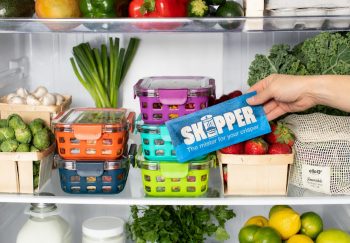
Investing in versatile storage solutions is an effective way to maximize space in your restaurant. Mobile shelving units, for example, can be moved easily when not in use or reconfigured to adapt to changing needs. Stackable bins or containers allow for vertical storage, making use of empty spaces that would otherwise remain wasted. Flexible storage options like these can accommodate peak business hours while ensuring that daily operations run smoothly.
Considerations should extend beyond just shelves and bins. The choice of appliances plays a significant role in storage. Equipment designed with compact sizes, such as undercounter refrigerators and multi-functional ovens, can help save space while maintaining efficiency in food handling. Finding reliable storage solutions can enhance both accessibility and convenience in your restaurant, making it easier for staff to retrieve necessary items quickly and effectively.
Implementing a Rotation System
One effective method of maintaining organization and efficiency in restaurant storage is the implementation of a rotation system. This approach is particularly useful in contexts where perishable items are stored alongside equipment.
Establishing a systematic way to manage supplies by rotating older products to the front and placing newer items at the back ensures that nothing goes to waste and all ingredients stay fresh. This applies to non-perishable inventory, reducing the possibility of forgotten items taking up space.
A rotation system promotes accountability among staff, helping them prioritize the usage of older supplies, which can heighten efficiency during busy hours. Designate specific locations for different items and ensure that all staff are trained in the procedure, making the store easily navigable and user-friendly.
Flexibility in Workflow and Staff Training
Equipping staff with training on efficient storage practices can provide a long-term benefit for the restaurant’s workflow. Teaching employees to manage space effectively means that your operations remain agile, responding promptly to changing demands while providing quality service. The more knowledgeable and adaptable your team is, the better they can handle situations requiring quick adjustments, from unexpected customer volume spikes to changes in the menu.
Encouraging cross-training among staff is another way to enhance flexibility. This strategy prepares employees to work in various roles, making the team more versatile and increasing job satisfaction. When staff feel empowered and capable in different tasks, they can contribute more significantly towards maintaining storage organization and workflow efficiency.
Regular Evaluations of Storage Practices
To ensure that storage solutions remain effective, regular evaluations of your storage practices are important. As your restaurant’s menu or business model evolves, so too will your storage needs. Periodic reviews can reveal areas where processes may have stagnated and additional changes may be necessary for optimization.
Engage your staff in these evaluations, as they are directly involved in the storage process and can offer valuable feedback about what is working and what isn’t. Analyzing storage efficiency can involve tracking metrics such as time spent locating equipment or the frequency with which items are accessed. Such insights can identify patterns where improvements are warranted and assist in crafting strategies to alleviate any recurring issues.
In addition to regular evaluations, consider investing in quality stainless steel shelves for your kitchen. These durable shelves are perfect for enhancing your storage capacity, keeping kitchen equipment organized, and maintaining a hygienic environment, which is crucial for smooth restaurant operations.

Maximizing space in a restaurant is a multifaceted approach that requires thoughtful planning and execution. By understanding space requirements, investing in versatile storage solutions, utilizing off-site storage facilities, implementing rotation systems, training staff to be flexible, and regularly evaluating practices, restaurant owners can create an efficient, organized environment. These steps foster productivity and can significantly enhance customer satisfaction by ensuring staff can access equipment and ingredients swiftly. Employing these methods will contribute to a more successful restaurant experience.