Unveiling the Origins of Texas Mexican Cuisine
The Historical Tapestry of Two Cultures
Texas Mexican cuisine is the delicious result of a historical confluence of Mexican and Texan culinary traditions. To appreciate the richness of this cuisine, one must trace its roots back to the 19th century when Texas was part of Mexico. The melding of these cultures became further pronounced after Texas gained independence and later joined the United States, introducing a blend of ingredients and cooking practices. The indigenous populations, primarily the Native American tribes, contributed a variety of local ingredients such as corn, beans, and squash, which became staples in the diet of Texans. The infusion of Spanish, German, and Czech settlers added layers of flavor and preparation methods that continue to define Texas Mexican food today.
The final tapestry of this culinary heritage was intricately woven with the spice trade and the introduction of European concepts of seasoning and cooking techniques. Today, diners can experience dishes that evoke deep historical significance while also tantalizing their taste buds. Recognizing this rich historical backdrop enhances one’s appreciation of the food: each plate tells a story of survival, adaptation, and cultural pride.
Key Ingredients: The Backbone of Flavor
The foundation of Texas Mexican cuisine is built on critical ingredients that are both locally sourced and representative of the broader Mexican culinary tradition. Corn, the cornerstone of Mexican diets, is omnipresent and comes in many forms tortillas, tamales, or served as elote (grilled corn on the cob). Additionally, beans, especially pinto and black beans, provide nutritional substance and are a frequent accompaniment to various dishes.
Peppers, both fresh and dried, such as jalapeños, guajillos, and pasillas, bring bold flavors and varying degrees of heat to Texas Mexican cuisine. Similarly, spices like cumin and cilantro enhance dishes by providing depth, while lime offers acidity that balances the palate. Meat, particularly beef and pork, features prominently barbecue brisket reflects Texas’ Texan pride, while traditional recipes often incorporate slow-cooked, marinated meats. Together, these ingredients create the bold, robust flavors characteristic of Texas Mexican food, appealing to a wide array of palates and dietary preferences.
Traditional Techniques Passed Down Through Generations
The culinary techniques found in Texas Mexican food are as diverse as its ingredients, many honed over centuries. The age-old practice of slow-cooking meats in a pit, for example, showcases methods rooted in Indigenous traditions and influences from different cultures, including Spanish and African. Emphasis on grilling (parrilla) is evident in the popularity of asados cookouts that unite families and friends, reflecting a profound cultural ethos surrounding food and community.
Moreover, the art of making masa for tortillas, tamales, and more is a skill passed down from one generation to the next, requiring both practice and patience. Traditional cooking often uses cast-iron cookware, which retains heat well and is ideal for crafting authentic dishes like huevos rancheros or carne guisada. Whether it’s the ceremonial preparation of foods for celebrations or the everyday meals, these methodologies infuse each dish with a flavor profile that narrates the story of Texas’ culinary heritage.
A Flavorful Exploration of Signature Dishes
Fajitas and Tacos: The Perfect Pairing
Fajitas and tacos are perhaps the most emblematic representations of Texas Mexican cuisine, showcasing the perfect marriage of flavors, textures, and cooking techniques. Fajitas, often made from marinated skirt steak grilled at high temperatures and served with sautéed onions and bell peppers, are a culinary delight that allows diners to mix and match toppings such as guacamole, salsa, and cheese leading to a personalized gastronomic experience. The dish’s origins are believed to arise from ranch workers (“vaqueros”) who would receive leftover cuts of meat, spiced and grilled them over an open flame for a quick feast.
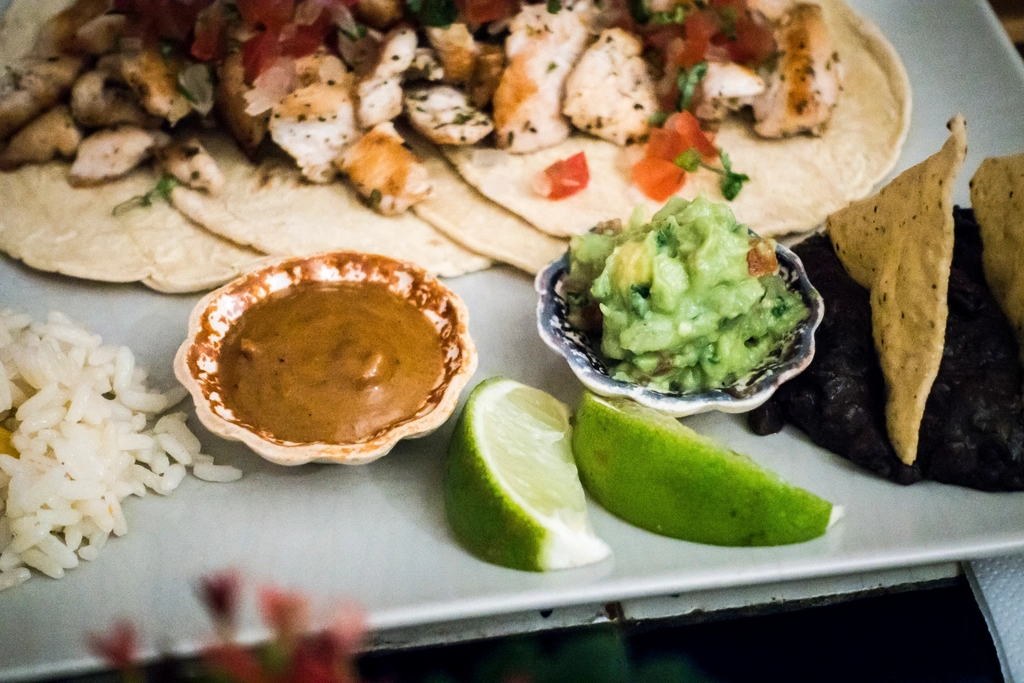
Tacos, on the other hand, serve as a versatile dish that can be filled with various meats, vegetables, or beans and topped with an array of salsas and garnishes. From soft corn tortillas to crunchy fried shells, the taco adapts to the preferences of those who enjoy it. Whether it’s the traditional breakfast taco stuffed with eggs, potatoes, and chorizo or the more innovative options found in contemporary Tex-Mex cuisine, tacos are a staple that can be enjoyed at any time of day. Both dishes emphasize fresh ingredients, allowing each component to shine while reinforcing the deep-rooted cultural traditions embedded within Texas Mexican cuisine.
The Boldness of Chili Con Carne
Chili con carne is more than just a dish; it is an emblem of Texan heartiness. Originating from the Spanish “chile con carne,” meaning “chili with meat,” this dish combines chopped or ground beef simmered with chili peppers, tomatoes, and an array of spices that contribute to its robust flavor profile. Traditionally, it is made without beans, a topic of heated debate among chili purists and enthusiasts. The dish speaks to the Texan spirit, representing both resourcefulness in utilizing less expensive cuts of meat and a celebration of bold flavors.
Chili con carne is often found at cook-offs across Texas, drawing competitors who showcase their unique takes on the dish. This allows enthusiasts to taste varying interpretations from those that relish the heat to milder versions catering to all diners. The communal aspect of chili cooking, with friends and family gathering around simmering pots, enhances the experience and marks it as a soulful dish that embodies Texan pride and tradition.
Street Food Wonders: Tastes of the Tejano Tradition
In Texas, street food offers a dynamic experience that mirrors the cultural fusion intrinsic to Texas Mexican cuisine. Among the most beloved street foods are elotes (grilled corn on the cob slathered with mayonnaise, cheese, and chili powder) and tacos al pastor, made with marinated meat cooked on a vertical spit, similar to shawarma. These street foods are not only delicious but also serve as a communal experience reflecting the vibrant Tejano community, with vendors expertly showcasing their culinary craftsmanship and techniques.
If you venture down to the various food trucks and stands that decorate Texas streets, you will discover a treasure trove of culinary delights, from king ranch chicken to tortas and quesadillas. Each bite encapsulates generations of tradition and innovation, marrying classic preparations with regional ingredients. The casual atmosphere also allows diners to engage with the vendor and learn about the cultural significance of each dish, further enriching the appreciation for the cuisine.
The Influence of Local Ingredients on Contemporary Recipes
Farm-to-Table: Harnessing the Best of Texas’ Bounty
The farm-to-table movement has gained significant traction within Texas Mexican cuisine, as chefs and home cooks alike embrace local produce and sustainable ingredients. This approach not only enhances flavor profiles but supports local farmers and fosters a more sustainable food system. Seasonal ingredients like tomatoes, peppers, and avocados are traversing their way from local farms to tables, emphasizing the importance of freshness in each dish.
With the rise of farmers’ markets and community-supported agriculture (CSAs), home cooks gain access to high-quality ingredients, allowing them to experiment and innovate with traditional recipes. Dishes like fresh pico de gallo and enchiladas now boast vibrant, locally-sourced produce, elevating the traditional flavors of Texas Mexican food without losing its essence. By acknowledging the relationship between local farmers and chefs, diners can appreciate beyond just the plate, recognizing the collective effort and passion behind their meals.
The Role of Spices: From Cumin to Cilantro
Spices play a pivotal role in Texas Mexican cuisine, delivering unique flavors and aromas that are deeply intertwined with cultural identity. Cumin, with its warm, earthy flavor, is often used in conjunction with coriander and paprika to season meats and beans, accentuating their natural flavors while providing complexity. Cilantro, used both fresh and as a garnish, adds a bright, zesty note that balances the richness of dishes.
Many recipes call for toasted spices, releasing essential oils that enhance taste and fragrance. The importance of spice blends and the artistry of their usage cannot be overstated; they are the master strokes of a chef that transform simple ingredients into extraordinary flavors. The ability to adapt traditional recipes utilizing available herbs and spices creates a vibrant tapestry of flavor while preserving the culinary heritage of Texas Mexican food.
Crafting Modern Twists on Classic Flavors
Contemporary chefs and home cooks alike are experimenting with Texas Mexican cuisine, introducing modern twists on beloved recipes while honoring their roots. Fusion dishes that incorporate local ingredients and international culinary trends breathe new life into traditional meals. Elevated versions of tacos featuring barbacoa made with duck confit or piña colada-flavored tamales showcase how flexible and inventive the cuisine can be.
This modern evolution doesn’t shy away from tradition; instead, it reinforces it by drawing inspiration from diverse cultures and culinary techniques, leading to exciting culinary adventures. This creative process allows chefs to connect with diners seeking fresh interpretations and flavors, creating a dialogue around food that celebrates heritage while looking towards future innovations.
Dining Experiences: Beyond the Plate
Must-Visit Restaurants for Authentic Flavors
When seeking an authentic Texas Mexican culinary experience, numerous restaurants have etched their names into the hearts and palates of locals and visitors alike. From long-established establishments serving generational recipes to trendy eateries pushing culinary boundaries, there is a wealth of options to choose from.
Iconic locales like Ninfa’s on Navigation, lauded for its flavorful enchiladas and house-made tortillas, transport diners back to the roots of Texas Mexican cuisine. Meanwhile, newer establishments such as Xochi, known for its Oaxacan-inspired menu items, exemplify the innovative spirit of culinary growth. Exploring the diverse offerings of these establishments allows you to taste the historical and innovative aspects of Texas Mexican flavors, creating memorable dining experiences that resonate long after the meal is over.
Culinary Festivals: Celebrating Texas-Mexican Culture
The rich culinary tapestry of Texas Mexican food comes alive during various festivals that celebrate the culture through food, music, and community gatherings. Festivals such as the San Antonio Taco Festival or the Houston Tamale Festival present opportunities to indulge in various regional specialties while engaging with local traditions and culture. Attendees can interact with chefs and vendors, previewing their culinary craftsmanship and sampling their best dishes, often combining both mainstream and niche Texan traditions.
These events offer not just a celebration of flavors, but a gathering space for communities, fostering unity and communal pride in Texas’ diverse culinary heritage. With cooking demonstrations, competitions, and live music, these festivals encapsulate the vibrancy of Texas Mexican culture, inviting all to partake and celebrate together.
Pairing Texas Mexican Food with Local Spirits
No meal is complete without the right beverage to enhance the dining experience, and Texas offers an impressive array of local spirits that beautifully complement Texas Mexican cuisine. Tequilas and mezcals, often crafted from locally-sourced ingredients, can elevate the flavors of many dishes, from spicy salsas to smoky meats. Known for their complex flavor profiles, these spirits create a delightful contrast and balance when enjoyed alongside rich meals.
Additionally, local breweries are producing craft beers that pair excellently with Texas Mexican food. Lagers, pale ales, and IPAs provide refreshing contrasts against the spices found in traditional dishes. Wine enthusiasts can explore regional offerings that showcase the delicate yet bold flavors needed to complement a range of cuisines. This approach transforms dining into a full sensory experience, ensuring every aspect of the meal offers satisfaction and delight.
Ultimately, Texas Mexican food is a celebration of history, culture, and flavor. Whether through traditional methods or contemporary innovations, this cuisine blends the past with the present, culminating in a diverse culinary heritage that continues to evolve. As you embark on your own culinary journey through Texas Mexican food, consider not only the delightful flavors but also the stories, traditions, and communal bonds that foods share and represent. By engaging with this rich tapestry, you not only satisfy your taste buds but also contribute to preserving and celebrating an extraordinary cultural legacy.